




Kandeel, brandy, a neut: how to drink historically
Today: cocktail bars, wine tastings, bitterballen. And in the past: a cup of tea from a proper teacup and then politely home again at five. Or not? Mariëlla Beukers and Manon Henzen wrote a book about drinking time in Dutch history, packed with fascinating facts and recipes if you want to enjoy historical drinks at home now.

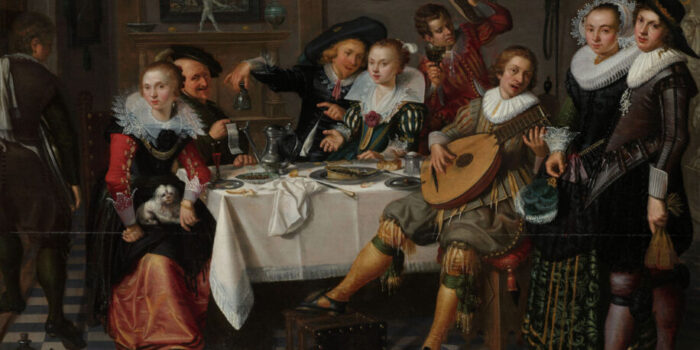
Drinking time is a new term, but the concept has existed in the Netherlands for centuries, says Manon Henzen, one of the authors of the book Borreltijd. Manon is a culinary historian. She explains: ‘In the eighteenth century, tea was very refined, and the elite held tea parties. If people became a little faint towards the end of an afternoon of tea drinking, a drink was poured. And that was usually brandy, possibly with sugar, or a small glass of homemade liqueur.’
Just like advocaat
A drink from two centuries ago could also be kandeel, a beverage that vaguely resembles advocaat. Manon: ‘It is also made with eggs, but it is not as thick as advocaat and is less strong. It got its flavor from the spices and herbs added to it; it also contained egg and alcohol, such as wine or beer.’ An eighteenth-century favorite: spiced wine. Wine with herbs, spices, a little sugar and citrus peels. ‘Think of mulled wine. In winter, the drink was served warm; in summer, cold.’
Neut or kopstoot
These drinks were not served with bitterballen, but mainly with sweet treats. ‘Biscuits, cake or confectionery, such as sugared nuts,’ Manon explains. Savory snacks were not customary; they were mainly eaten in pubs with a glass of beer. A different social circle, a different custom. Manon: ‘Over time, drinking outside the home moved into the home, as we do now when we put out a delicious cheese board for guests. The word “borrel” did not yet exist at the time. But there was plenty to drink. Jenever, especially, and brandy. They called that a neut, a kopstoot or a druppel.’
Want to learn more about historical drinking? Read the book Borreltijd! by Manon Henzen and Mariëlla Beukers.


