


Shall we stop calling everything ‘artisanal’?
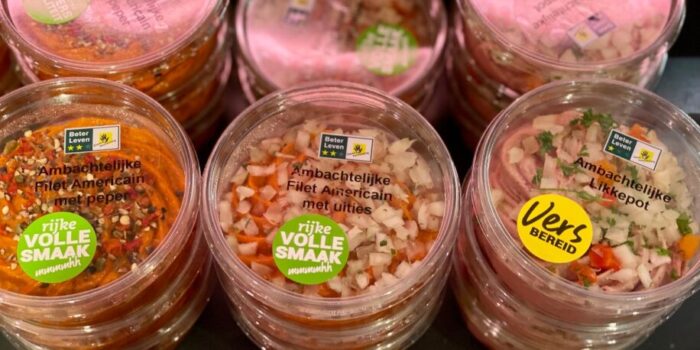
Artisanal egg salad, artisanal bread, artisanal Bossche bollen… especially when products are more expensive, they’re quickly labeled ‘artisanal’. Is it just a nice-sounding word? Or does it still mean something? And can we perhaps stop calling everything and its mother artisanal?

At the editorial office, we tasted different supermarket own-brand egg salads, and then we noticed: the ‘artisanal’ egg salad was considerably more expensive than the regular one, and whether it tasted better… meh. Strange name, really, artisanal egg salad. What craft does someone who makes egg salad practice? And what does the word actually mean?
A bit of everything
Fortunately, online magazine Foodlog conducted thorough research into this a few years ago. It means something different at every supermarket. Albert Heijn says they call traditional products artisanal, even when they’re made in factories. Lidl says it has to do with a non-traditional preparation. And according to Jumbo, it may have to do with high-quality ingredients. In short: it can mean anything.
Grandma uses emulsifier
As a consumer, you might expect products labeled artisanal to contain fewer additives and to have something to do with traditions in one way or another, or to be made by hand. Not so, according to Foodlog’s research; they contain just as many E-numbers as the regular products. Lidl’s Oma’s Ambachtelijke Poffertjes, for example, are made with water, emulsifier, milk powder and flavorings.
Paper bag
That artisanal aspect is mainly found in a bit of old-fashioned packaging, for example a brown paper bag, something with a flowing typeface or red-and-white checks on it. And in the price: artisanal products are more expensive than the ‘regular’ ones. Take Stegeman’s artisanal fuet: 2.99 euros for 150 grams, while the regular fuet is considerably cheaper. Artisanal beef salad? Artisanal pickled cucumber? Artisanal ground beef? Artisanal frikandellen? Yes, they really exist!
Expensive
Apparently, Ireland has guidelines for when you may call a product artisanal, and Belgium also has somewhat stricter rules about using the word. In the Netherlands, the word ‘artisanal’ is therefore completely unregulated. One thing is certain: if ‘artisanal’ is written on the packaging, you’ll definitely pay (a little) more for it.


