



Tasted & Approved: Dutch New #2
As a self-proclaimed drinks oracle of the nation, it delights me to see that the Dutch drinks industry is so dynamic. New drinks brands are emerging, old recipes are being rediscovered and improved. New visions for drinks such as vermouth, vodka, gin, genever and even tonic are seeing the light of day.

For #1 of this article, click here.
text: Ingmar Voerman > this article previously appeared on ingmardrinkt.nl.
Willem’s Wermoed
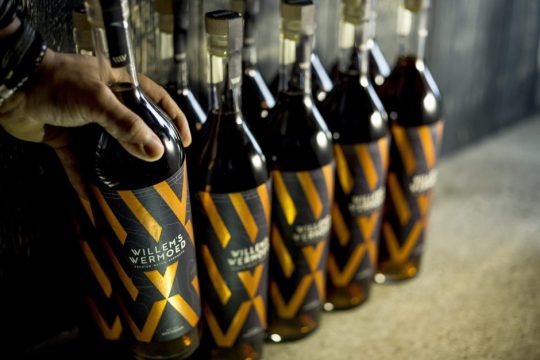
In Amsterdam’s Hortus Botanicus, Paul Selier found the inspiration for Willem’s Wermoed, the first-ever Dutch vermouth, which this year won a beautiful silver medal at the international IWSC Spirit Competition. The vermouth is a very approachable yet complex drink, fruity, spicy and sweet with a pleasant bitterness. Twenty-four herbs from the botanical garden are used, from pine tops and wild thyme to wormwood. Based on Spanish white wines and aged for two years in oak barrels, the vermouth bursts with bourbon-like flavors of vanilla, coconut, tonka beans and fruit. A small warning for inexperienced drinkers with a tendency to empty their glass: Willem’s is the kind of drink that goes down like lemonade. Just sayin’.
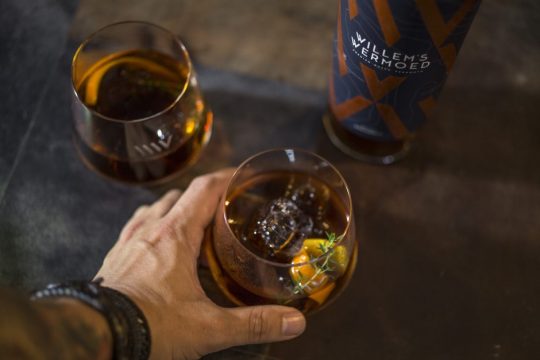
WILLEM’S & SODA:
50ml Willem’s Wermoed
50ml soda water
2 dashes angostura orange bitters
Fill a rocks glass with ice and stir until the glass is well chilled. Pour the ice water out of the glass. Perfume the glass with an orange peel and drop it into the glass. Add some fresh ice cubes. Pour in Willem’s Wermoed, top with soda and add the bitters. Stir briefly and garnish with a sprig of thyme.
Hierbas de las Dunas
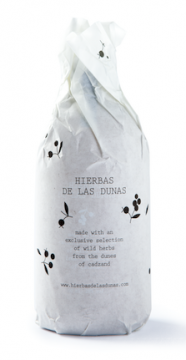
Hierbas de las Dunas is a new Hierbas liqueur made from fresh and organic dune herbs from Zeeuws-Vlaanderen, the most Flemish part of Zeeland, so to speak. The creator of this Zeeland Hierbas is top chef Syrco Bakker of restaurant Pure C(*) in Cadzand. He found the inspiration for it during a holiday on, yes, the Spanish island of Ibiza. Ibiza is the birthplace of the herbal liqueur Hierbas, which every family makes according to a secret recipe. One thing that is as certain as anything in every Hierbas is its anise character, something the dune Hierbas deliberately does not include.
Hierbas de las Dunas is an organic herbal liqueur extracted from 18 fresh organic and wild herbs from dunes along the North Sea, such as sea buckthorn, sea fennel, wild arugula, rosehip and elderflower. When you visit the Hierbas de las Dunas website, you’ll find a wide range of signature cocktail recipes from, among others, Belgium’s top bartenders. As a die-hard fan of pisco sours, this recipe appealed to me:
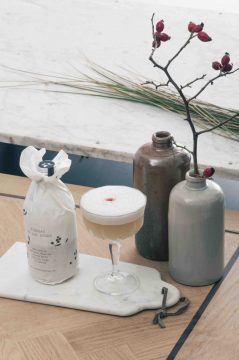
Hierbas de las dunas sour:
50 ml Hierbas de las Dunas
25 ml Pisco
30 ml Lime juice
10 ml Sugar syrup (1/1)
½ fresh egg white
Dry shake all the ingredients, then shake (hard) with ice. Strain into a pre-chilled coupe glass, perfume with a lemon peel (to counteract the egg smell—always do this!) and add a dash of Angostura bitters.
Bobby’s Schiedam Genever
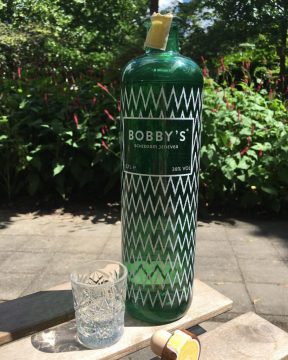
Fresh off the press: the brand-new Bobby’s Schiedam genever. Bobby’s Schiedam Dry Gin has been a resounding success since its launch and continues to grow rapidly. But this was certainly no reason for the brothers behind Bobby’s, David and Sebastiaan, to sit back. Bobby’s is distilled at Herman Jansen in Schiedam, where they are working flat out, as evidenced by the arsenal of Dutch spirits flowing from the stills here.
Bobby’s gin and genever are a tribute to Bobby, the brothers’ grandfather. The good man made quite a name for himself within the family with his genever infused with Indonesian herbs—the recipe that inspired the brothers to make the gin. “But actually, the plan was always to release a genever based on Bobby’s recipe,” says David. And now that dream has come true. At a time when many a genever distiller is launching yet another gin, the gentlemen are happily swimming against the current.
The bottle is unmistakably Bobby’s, but made of green glass. Why? “Genever comes in a green bottle for us,” says David. Clear enough. The genever is based on malt wine, but it certainly does not play the leading role. With a malt-wine percentage of 8%, it is highly mixable. As befits a genever, juniper takes center stage. The spirit opens sweetly on the nose and palate, thanks to both the malt wine and the juniper. It subtly reveals its spiciness on the nose, with notes of lemongrass and cardamom. The genever has a soft and sweet palate, with fruit and grain notes. A touch of heat from Javanese long peppers makes an appearance before the genever takes a soft farewell. Bobby’s genever is not only intended for mixing, but also to be enjoyed cold and neat. “Just as grandpa liked to drink it,” David laughs. That also explains the 38% alcohol content, which, surprisingly enough, proved ideal for the flavor and the (mild) character after extensive testing and tasting.
One of the signature serves with Bobby’s genever is the Mint Spring, and it is simply a delicious and easy-to-make drink.
Fill a highball glass with ice, pour in 50 ml Bobby’s genever and top it all off with Fever-Tree Ginger Ale (150 ml), then garnish with a mint sprig (in other words, a lovely sprig of fresh mint). Stir and then take a good sip.


