



The plastic surcharge: this is how it works in supermarkets
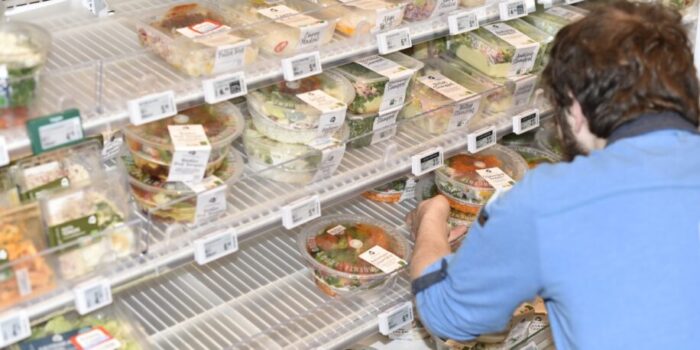
You may not have missed it: from 1 July, we will pay a surcharge for single-use plastic packaging. At your favorite takeaway addresses, your favorite snack bar and your regular supermarket. What can we expect when we go to the supermarket for our daily groceries?

The world needs to become cleaner, and plastic does not contribute to that. Did you know that it can take between 20 and 1,000 (!) years for plastic to break down? To address the negative impact of plastic on the environment, the government has decided that from 1 July we must pay for the use of single-use plastic. These are so-called SUP items: Single Use Plastics. You will also find such plastic items in supermarkets. That delicious ready-made salad, for example, which comes in a plastic container. Or those ready-made sandwiches wrapped in plastic packaging.
Different amounts
Businesses—and therefore supermarkets too—may decide for themselves how high the surcharge will be. Some supermarkets include the surcharge in the price, while others cover it themselves. The additional costs you have paid for SUP items must appear on the receipt. Did you do your grocery shopping yesterday? Then you should see the surcharge on the receipt. The mandatory surcharge is an amount between 1 and 10 cents.
Higher prices
COOP, Plus and Dirk have chosen to include the surcharge in the price of the SUP item. So if you pay for a product in single-use plastic there, you will pay 5 cents extra per product.
At their own expense
There are also several supermarkets that do not include the surcharge in the prices of their products. This comes out of their own profit margin. Lidl has opted for a 1-cent charge. Albert Heijn and Jumbo are going for 5 cents, just like COOP, Plus and Dirk. At Aldi, the amount is slightly higher, namely between 5 and 10 cents.
Becoming more sustainable
What actually happens to the surcharges that supermarkets pass on to customers? Supermarkets are required to invest those amounts in sustainability measures. In this case, supermarkets that do not pass the amounts on to customers also ‘miss out’ on the extra budget for sustainability. So they will have to set aside a budget themselves if they want to do so.
Also read:
- Do you realize how much plastic you ingest when you eat fish?
- Shocking: microplastics found in human blood for the first time
- What? Is there plastic in chewing gum?
Sources: Radar and Retail Trends


