



These are the ten most important food trends of 2022
2022 will be a year to celebrate. After the unpredictability and all the drama of the previous year, we are taking matters into our own hands and opting for positive vibes, quality and, above all, clarity and control — of what is on our plates, that is. Trend forecaster Vincent van Dijk lists the 10 most important food and hospitality trends.

1. Celebrate life
We want to experience brief moments of happiness to celebrate life again. In between fasting and healthy eating, we occasionally choose a small cake or chips with mayonnaise. And that is allowed, because we are always in control. We are seeing a comeback of carbs; real butter, luxury patisserie. Conscious, hyper-qualitative, in very small portions, but extremely unhealthy.
2. Health freaks
Of course, all of that is compensation, because we are more aware than ever: life is short and fragile. The earth does not have an eternal existence either. Less meat, less salt, less sugar, less alcohol, no drugs and no cigarettes. We place immensely high demands on our food and ourselves, as well as on the production of our food and drink, and demand complete transparency.
3. Vegan forever
Vegan cooking is finally being embraced by top chefs and star restaurants, taking the dishes to a higher level. More people are becoming flexitarians. We are also inspired by international dishes that are so rich in flavour and texture that you never miss the meat. So farewell meatless hamburger, welcome samfaina (the Spanish answer to French ratatouille), usal (an Indian curry dish with pulses), gobi manchurian (a Vietnamese starter with cauliflower, ginger and garlic) and ajapsandali (the Georgian answer to French ratatouille).
4. Go exotic
Yes, because we appreciate being in the Netherlands, but we also want to travel again. If necessary, in our heads or on our plates. We are becoming mega-adventurous and opening ourselves up again to food and drink from other cultures. We are seeing the rise of taquerias (taco bars), exotic fruit and an interest in dishes from cuisines that may be unfamiliar to us. Afghan, Syrian, Georgian, Mongolian; we want to try it all.
5. Culture clash
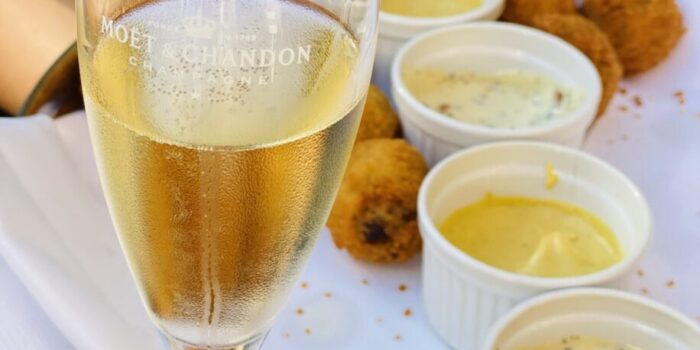
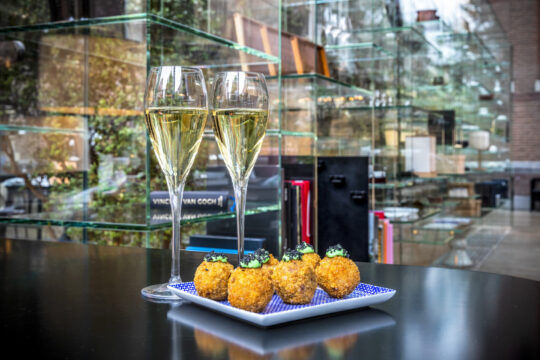
We love drinking champagne, but simply with a bitterball or slice of pizza. We adore devilled eggs, but with caviar. Just as you can perfectly well wear Louboutins under a Zara dress, we also seek out contrasts in our food and dare to play with them shamelessly.
6. Forgotten drinks
Vieux, or Dutch cognac, is making a full comeback. Just like other drinks our ancestors enjoyed, such as (lemon) brandy, tokkelroom, old liqueurs and schelvispekel, as well as international herbal bitters and eau-de-vie. They are being reinvented. High-quality and in sleek packaging. International drinks from the past are also experiencing a renaissance.
7. Luxury
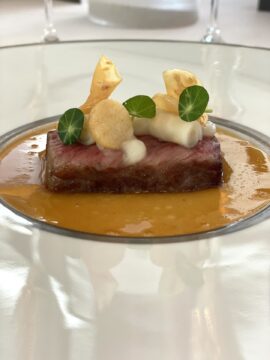
We will eat and drink out much less, but when we do, we will do it properly and with plenty of fanfare. Michelin-starred restaurants, champagne, fine wines, impressive cuts of meat or fish. We would rather spend big on truly exceptional food once a month than eat something out twice a week that we could also prepare at home. With plenty of table-side theatre.
8. On demand
We are cooking less and less and going to the supermarket less and less. Ideally, we want everything delivered. Fresh, fast and affordable. We are no longer tempted into unnecessary shopping, but buy only what we need at that moment. Less unhealthy snacking, less waste.
9. Fasting and certainty
Muslims have been doing it for years, but now we are also discovering that it is not so bad to occasionally eat and drink absolutely nothing for a while. This only works if you always eat and drink in moderation, because otherwise your body goes into complete stress. We will live like monks: moderation is the new luxury. But you can also decide to eat and drink only truly delicious things. A luxury diet.
10. Simple
We want more control over life, so we can see what is happening on our plates and in our glasses. Simple dishes consisting of a few ingredients, instead of highly unfathomable recipes. Fortunately, restaurant menus are also becoming simple. Three, four, five or seven courses is the only choice you have to make. The chef does the rest.


