


This is what we ate in the 1960s, part two
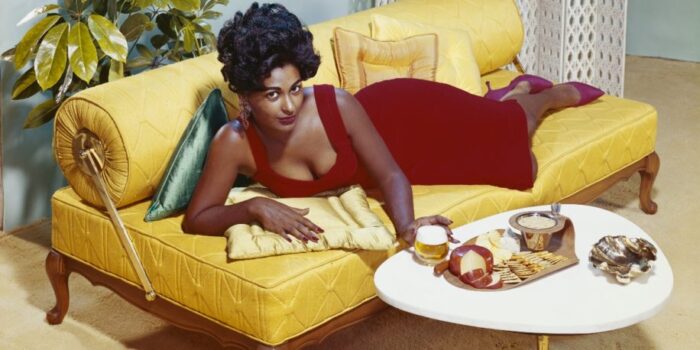
In the sixties, people took their first tentative steps into the local Chinese restaurant. For a plate of nasi, or simply pork chop with fries. Culinary highlights for home? Herring with tomato sauce and tropical canned fruit, tipped over a little fish. And we also started eating cozily on the sofa, in front of the TV.

Canned hotchpotch
Canned food is hot. Canned fruit, canned vegetables and even entire meals in cans—in the sixties, this is the latest of the latest. Koen Visser starts out as a fish-canning company, but that quickly changes. Herrings in tomato sauce, chicken in jelly, macaroni and hotchpotch—Koen puts it all in a tin. Innovation: canned nasi goreng and bami goreng. They call the Oriental products Suzi Wan, a made-up name inspired by films about the Far East, and sell the entire operation to Mars in the seventies.
Those cans out of the kitchen
Restaurant kitchens also use plenty of canned food. Mr Klosse senior, owner of De Echoput restaurant, describes how chefs make soup with powder from a large jar and combine as much canned fruit and vegetables as possible in dishes to make an impression. Take tong Picasso, a sole baked in butter and garnished with slices of pineapple, cherries and other canned fruit. His revolution: all cans out of the kitchen; from now on, we cook only with fresh ingredients. In 1967, he is also one of the founders of the Alliance Gastronomique Néerlandaise, an organization that wants to advance the Netherlands in the culinary concert of nations. The Alliance also begins jointly importing the ingredients they need for their purely Dutch cuisine. Funny that the Alliance doesn’t have such a purely Dutch name.
Pineapple or not pineapple
Canned fruit on fish? If only it had stopped there. In 1962, Greek chef Sam Panoupolos invents Hawaiian pizza. Sam co-owns the Satellite restaurant in Canada with his two brothers, and is apparently not averse to experimentation. The pizza becomes a success, but remains controversial. In 2017, the Icelandic prime minister speaks out vehemently against fruit pizza; he even wants to ban it by law, but unfortunately that isn’t possible. Gordon Ramsay agrees with the Icelandic politician: pineapple does not belong on a pizza.
Liquorice for a penny
Liquorice, ulevellen, toffee—those are truly sweets from the past. In the sixties, all kinds of new trouble for children’s teeth appear. Take Rang, a little roll of fruit-flavoured sour candies. Or thumb liquorice, a piece of liquorice you can stick to your thumb to suck on (yuck). Bazooka chewing gum is also wildly popular. Brand-new: rocket pops. They are invented in 1962, inspired by everything related to space travel.
Milk makes you stronger
Do you have your M emblem yet? In 1959, a campaign starts to get children to drink more healthy milk. Children keep track in booklets of how many glasses of milk they have drunk. Once the booklet is full, they receive an emblem they can attach to their clothes, showing that they are a real M brigade member. The slogan ‘Milk makes you stronger’ is meant to convince all children that drinking milk is really cool. The fact that this campaign by the Dairy Bureau also helped farmers get rid of their enormous milk surplus was just a little more than a happy coincidence.
Read also:


