



Toxic mineral oil in olive oil: government stays silent
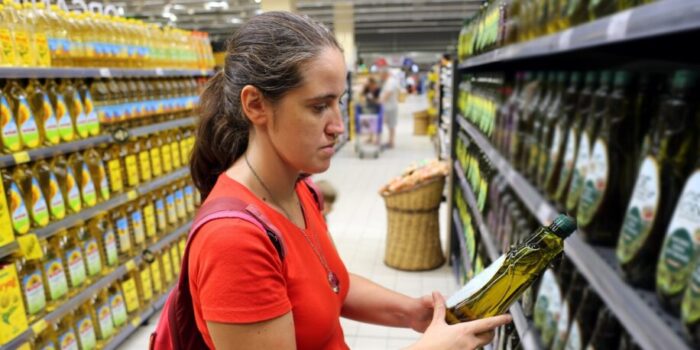
Olive oil with 26 times the permitted amount of mineral oil on the shelves? This is not a nightmare, but the latest reality in the field of food safety. The contaminated Spanish olive oil has reached several European countries, including the Netherlands. And although Makro posted a recall on its website, things remained eerily quiet at the Netherlands Food and Consumer Product Safety Authority (NVWA). No public warning. No outcry. Even though this is quite alarming.

What exactly is going on?
Olive oil from Spain has turned out to be seriously contaminated with mineral oil, at a level 26 times higher than the temporary maximum limit. The oil was sold here through wholesaler Makro. Food watchdog Foodwatch, which flagged the problem, finds it incomprehensible that the Dutch government has not issued a public warning.
What is mineral oil, and why don’t you want it in your food?
Mineral oils are chemical substances derived from petroleum that can enter food during processing, packaging or transport. There are two types:
- MOAH (Mineral Oil Aromatic Hydrocarbons): potentially carcinogenic and genotoxic
- MOSH (Mineral Oil Saturated Hydrocarbons): can accumulate in your body
Unfortunately, they are not found only in olive oil. Foodwatch has previously detected these substances in breakfast cereals, baby formula, stock cubes (removed from the shelves by Foodwatch) and other everyday foods.

What about the legislation?
The European Commission has been working on regulations concerning mineral oil in food for years. In 2024, draft limits were finally proposed, but according to Foodwatch they are still not strict enough. Because: “Mineral oil should not be in your food at all. Period.”
Foodwatch therefore submitted a European freedom-of-information request to find out how member states communicate about this issue. What did it reveal? The Netherlands and Germany advocate stricter, clearer rules. Spain and Italy are guided mainly by industry, resulting in weak limits, while France has so far refused to share information.
Even more painful: the documents show that the Italian government literally forwarded industry positions to Brussels instead of formulating its own opinion.
Why is the EU proposal problematic?
- It is too complex – with different limits for each ingredient, enforcement becomes unworkable.
- It is legally vague – making it difficult for national food authorities to intervene.
- It is too susceptible to industry pressure – leading to weak compromises.
Foodwatch believes that the EU must choose genuine consumer protection. No grey area. No exceptions. No place for lobby groups at the negotiating table.
Why is there no public warning in the Netherlands?
That remains the big question. The NVWA has not (as far as is known) actively communicated about this olive oil affair. Even though this concerns a potentially serious health risk. Foodwatch is therefore calling on members of the House of Representatives to hold the minister to account.
What can you do: sign the petition!
Join the more than 230,000 people calling for clear and strict EU regulations. Let Brussels know that we do not want oil from a refinery on our plates. You can sign the petition here.
Read also:
- This is the disturbing truth behind salmon lice in salmon farming
- Foodwatch launches lawsuit over ‘pink slime’
- Inspection service discovers: eco-friendly cleaning products contain nasty stuff


