



Try the exotic ingredient ‘mawa’ when you bake!
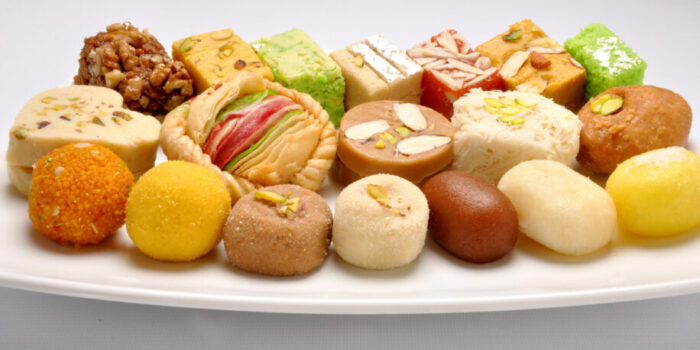
We’re always looking for ways to make cooking and baking even more fun, and part of that is discovering new ingredients that give your dish just a slightly different twist. And that’s how we came across this exotic surprise:

Mawa. Mawa? Yes, indeed, but it’s also known as khoya or khoa. And we’re happy to tell you what it is and what you can do with it!
What is mawa and what does it look like
It’s a dairy product found in parts of South Asian cuisine: in India, Nepal, Pakistan and Bangladesh, it’s used to prepare sweet treats. It is the solid components of whole milk that remain after prolonged reduction, when all the liquid has evaporated. It may only be called mawa if the final product has a fat content of at least thirty percent, and it can be made from cow’s milk or buffalo milk (the latter being slightly more exclusive and expensive).
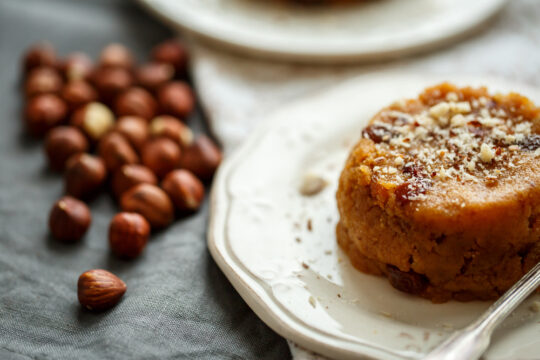
Depending on the moisture content of the remaining solids from the reduced milk, mawa can look dry and grainy, smooth and soft, or moist and loose (a little like cottage cheese). It is also available dehydrated as a powder.
What do you do with mawa
Just as you can bake with milk powder to get gooey, chewy cookies, you can use mawa to give your baked goods a full, rich, gently sweet flavor. It also slightly increases the moisture content of cakes and cookies (because the milk sugars caramelize at high heat), so they dry out less quickly. That caramelization also creates a buttery texture and, naturally, that subtle, distinctive caramel flavor.
How do you make mawa
Do you have a day to spare? No, seriously, it really takes a long time. You need a lot of milk to make a small amount, and you have to stir constantly in the pan over low heat to prevent the milk from burning. In season 7 of The Great British Bake Off (also check out Paul Hollywood’s other baking show!), the contestants’ homemade mawa still wasn’t ready after four hours! They were then allowed to throw their pans in the ring and use a ready-made version.
The shortcut
There are a few tricks for making a quick version, although of course you won’t have genuine traditional mawa. But if you heat whole-milk ricotta with a little ghee in a pan over medium-low heat until the moisture evaporates, you’ll get close. You can also mix skimmed milk powder with cream in a 1:1 ratio. If you then steam that mixture for about ten minutes in cheesecloth in a steamer, you’ll get beautifully moist mawa. What is not a good idea is replacing mawa powder 1:1 with skimmed milk powder (without diluting it with cream), since the fat content is completely different.
The even shorter route
Physically speaking, this may take you along a longer route, because you’ll have to look for a well-stocked Indian grocer. Not an Indonesian/Dutch-Indonesian toko, but a shop selling food products from India. Even then, it’s wise to call ahead to ask about availability, because during my search I struck out at two of the four different shops. And ask for khoya if mawa doesn’t immediately ring a bell. But if they do have it, you can conveniently buy it ready-made in refrigerated blocks.
What do you put mawa in
Use mawa in any sweet treat you make where you want to add some soft, rich chewiness. Think butterscotch flavor, or dulce de leche. In a recipe with several eggs, replace one egg with 60 grams of ‘solid’ mawa. Or replace fifty grams of butter with fifty grams of solid mawa. If you managed to get hold of mawa powder, try replacing ten percent of the flour with the same weight of mawa powder to bake the most delicious cookies.
In short: step off the beaten baking path and try this special ingredient!
Also read:
- The secret ingredient for incredibly tender meat
- This secret ingredient gives chicken salad just the right twist!
- Is MSG really bad for you?
Source: Bon Appétit


