



Turkish Wine Brings People Together
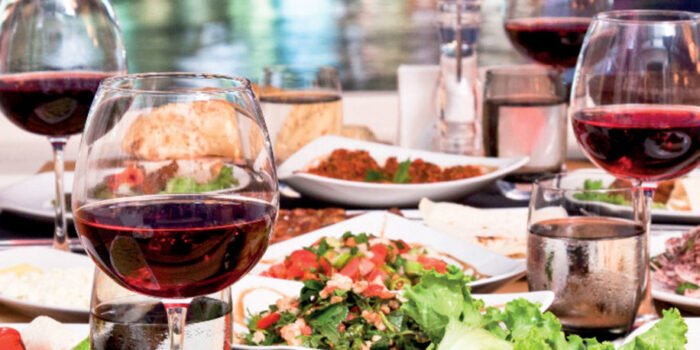
You wouldn’t think it, but Turkey is a gigantic grape-growing country. With indigenous grapes, numerous vineyards and thousands of years of wine history. Yet somewhere along the way, something went wrong, because hardly anyone associates Turkey with wine. So let’s change that.

New wine countries are hot. And we like discovering unknown grapes and unusual places. Well, then Turkey is definitely the place to be. By the way, the country is anything but a novice when it comes to growing grapes. With five times as much vineyard acreage as Bordeaux, the Turks easily rank among the world’s top five. And its 8,000 years of wine history hardly make the region new either. More like a dozing, old wine giant.
Raisins
Most of today’s Turkish grapes end up as juice, table grapes or shrivelled sultana raisins. Less than five percent are made into wine. Such a shame. The prevailing religion has contributed to this, but we do know Turkish raki.
Because, funny enough, the true Turkish top wines look suspiciously similar to wines from Bordeaux.
Turkish wine is made all over the vast country. This creates enormous differences in style and quality. A significant proportion is therefore destined for the (Russian) all-inclusive tourist: easy-drinking wines with an easy going sweet twist at the end.
From indigenous grape to European blend
But interesting wine also comes from Turkey. From indigenous grapes such as the white narince, emir or sultaniye (the one used for sultana raisins). These wines—often blended—are floral and fresh, and are best enjoyed young. The red locals are even more exciting. Grapes such as boğazkere, öküzgözü and kalecik karasi produce wines with character. Especially when they are blended with European varieties. Because, funny enough, the true Turkish top wines look suspiciously similar to wines from Bordeaux.
Bordeaux blend with a twist
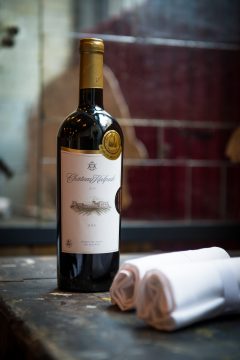
Take those made by Turkish winemaker Bulent Kalpaklioglu, owner of Château Kalpak, for example. His wine estate is located in Thrace, around 200 kilometres west of Istanbul and bordering Greece and Bulgaria. An ancient region that most likely lies at the origin of all viticulture. His vineyards are surrounded by the Sea of Marmara and the Aegean Sea. With a little imagination, it can easily be compared to Bordeaux’s Médoc region. And so can the wines, incidentally.
Toasting togetherness
From the 2010 vintage, I tasted the Bordeaux blend Chateau Kalpak (cabernet sauvignon, merlot, cabernet franc, petit verdot), the BBK (Bordeaux blend with kalecik karasi) and the Petit Verdot (100 per cent). All were full-bodied, pleasantly fresh and beautifully oak-aged. And all covered in awards. The wine certainly holds its own against many a bottle of Bordeaux. For the connoisseurs among us: they do bear some resemblance to the Lebanese Château Musar. Wonderful.
So let’s raise our Turkish wine glasses and toast to togetherness.
Want to taste Château Kalpak and other Turkish wines for yourself?


