



Vanilla extract vs. vanilla flavouring: what’s the difference?
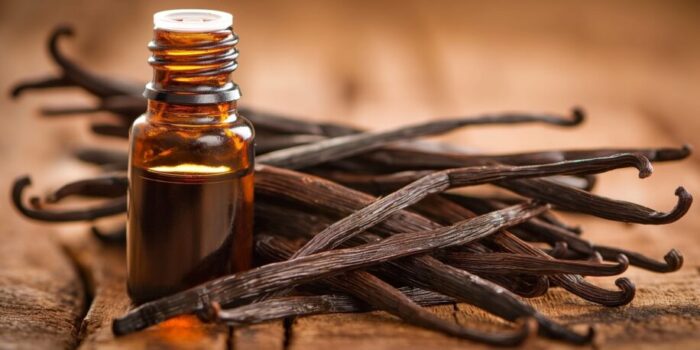
Vanilla extract and vanilla flavouring, all the same? Not at all—there’s a fundamental difference between the two. In fact… Bakers and chefs hardly ever use vanilla flavouring. So what exactly is the difference?

Vanilla is a spice. And not just any spice: it’s one of the most expensive spices in the world. This is partly because it involves a labour-intensive and time-consuming harvesting and processing process. To make vanilla more affordable for everyone, various vanilla products have been brought to market. Vanilla extract and vanilla flavouring are two of them.
Real vs. fake
Extract and flavouring are therefore not the same in this case. They also differ considerably in price. For example, at Albert Heijn, you pay € 1.35 for a bottle of Dr. Oetker vanilla flavouring (38 ml), while a bottle of Nielsen-Massey vanilla extract (60 ml) costs € 8.99. Why is that? Well, mainly because vanilla flavouring has nothing to do with vanilla. It contains vanillin: a substance that has the taste and smell of vanilla, but is otherwise completely synthetic.
Vanilla extract, on the other hand, is made from real vanilla pods or vanilla beans. That’s why the flavour and aroma of vanilla are much more intense in extract than in flavouring. This also explains why vanilla flavouring is so much cheaper than vanilla extract. And why bakers and chefs turn up their noses at vanilla flavouring…
Or make it yourself
Want to go for that real, intense vanilla flavour without paying too much? Then it’s best to make your own vanilla extract. It’s easy and inexpensive, because you can prepare a large batch at once. All you need is vodka, two vanilla pods and a clean, dry preserving jar or bottle. With a little patience, you’ll have delicious vanilla extract that you can use in all your baking. Such as these vanilla pancakes with blackberries, for example—one of our favourite breakfasts.
Also read:


