


Why a city trip to Bordeaux, the wine capital, is a brilliant idea
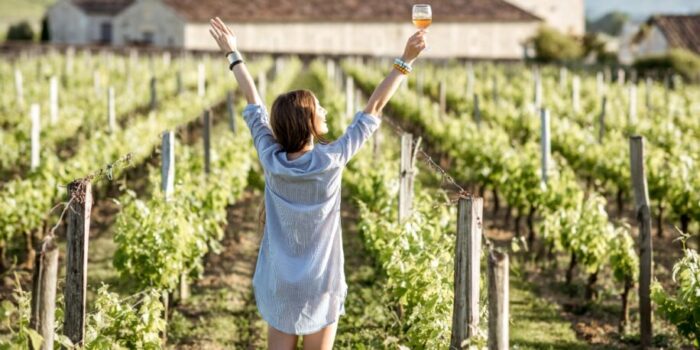
Brilliant idea: a wine weekend in Bordeaux, the most famous wine region in the world. Marvel at the beautiful châteaux, settle into one of the many wine bars, walk through the city to the seriously fun wine museum and enjoy the region’s exceptional French dishes.

As soon as you arrive at the airport, it becomes clear: wine is what it’s all about here. No surprise, because the wine region is enormous, covering an area comparable to that of all the vineyards in South Africa combined! And that produces quite a lot of wine.
Left Bank, right bank
Bordeaux lies on the Garonne, Dordogne and Gironde rivers and the Atlantic Ocean. The rivers roughly divide the wine region into three parts: the Left Bank is the Médoc, home to grand and showy wine names such as Pauillac and Margaux. Next comes Entre-Deux-Mers (literally ‘between two seas’), wedged between the Garonne and Dordogne, followed by the Right Bank with the famous names Pomerol and Saint-Émilion.
Lillet
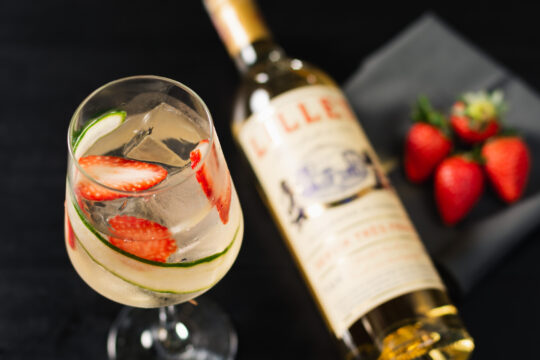
Although Bordeaux is a large city, the center is small. Almost everything is within walking distance, and otherwise you can take the ultramodern trams that glide silently through the city. A must: order a Lillet Vive at one of the cafés around Le Grand Théâtre, a cocktail based on Bordeaux’s signature aperitif. Lillet [Li’le] gets its fresh, sweet flavor from 85% local wine and 15% fruit peels from sweet and bitter oranges, which are steeped in alcohol for several months. As a cocktail with tonic, a slice of cucumber and some fresh mint or strawberry, it’s a delicious thirst-quencher.
Cosy wine bar
But in the mecca of wine, you naturally want a glass of wine! Walk along the beautiful Place du Parlement, with its many terraces and restaurants, to Place Saint-Pierre and the lovely wine bar Aux Quatre Coins du Vin. In this cosy, spacious bar, you can order 40 top wines by the sip or by the bottle and, unusually, even wines from outside France, such as the famous Australian Penfolds. Champagne lover? Definitely order a glass of Billecart-Salmon and a generous platter full of delicious treats.
Idyllic and super French
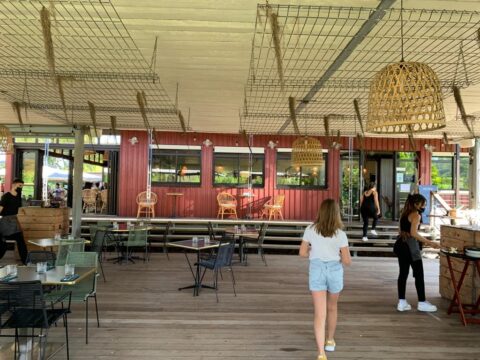
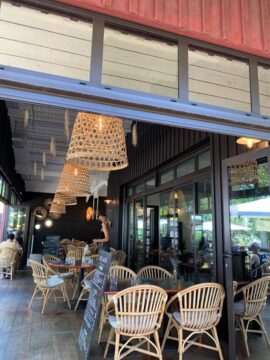
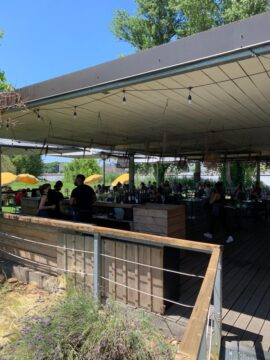
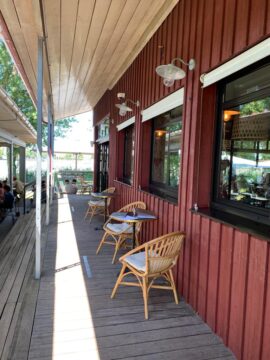
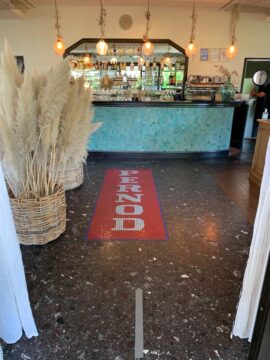
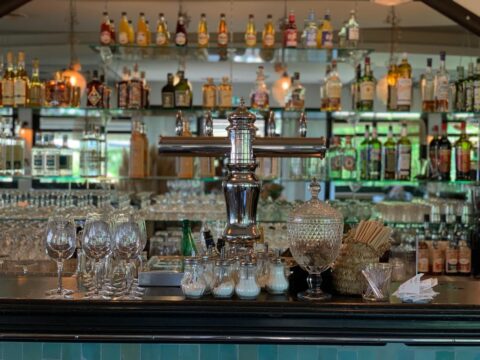
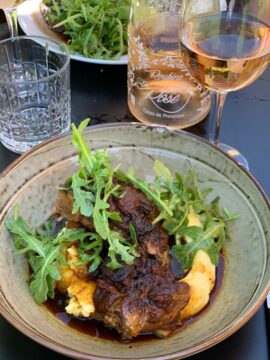
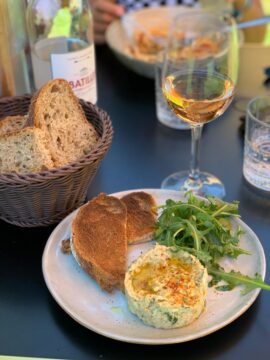
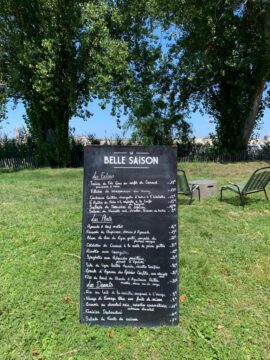
An oasis on the rougher side of the Garonne, which according to FavorFlav’s Delilah is somewhat comparable to the Amsterdam-Noord side of the IJ, is La Belle Saison. You rarely come across somewhere so idyllic. Super-French food, locally sourced and lovingly prepared. Then cross the bridge over the Garonne and walk off that buttery mashed potato with a stroll through the fantastic old town.
City walk along the Garonne
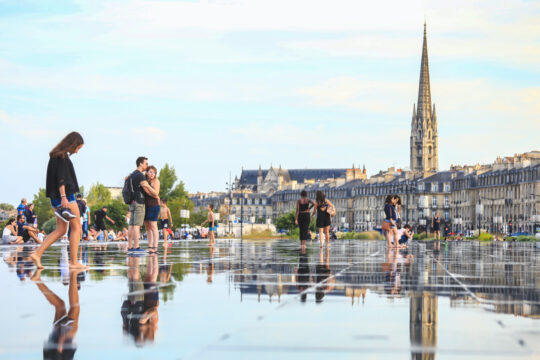
Early in the 19th century, Napoleon commissioned the construction of the first bridge over the Garonne. A stone bridge with seventeen arches (matching the number of letters in his name: Napoleon Bonaparte). It is one of Bordeaux’s icons. Another is the beautiful Place de la Bourse, a great starting point for a roughly three-kilometer walk to Bordeaux’s wine museum: Cité du Vin. Place de la Bourse is impressive already, but it becomes truly special because of the water in front of it: Le Miroir d’eau, the reflecting pool. The water’s depth changes continuously, as do the reflections of the building in it. Wonderfully refreshing to walk through in summer!
Sunday morning: head to the market
Near the museum, you’ll also find the legendary Quai des Chartrons. This is where the négociants (wine wholesalers) used to have their offices and warehouses. Most have since moved to the outskirts, and the old buildings now house many restaurants and cafés. Also fun here: the lively Sunday morning market. Every Sunday morning, dozens of food stalls line the quay. You won’t find anything fresher. Highly recommended!
Wine museum Cité du Vin
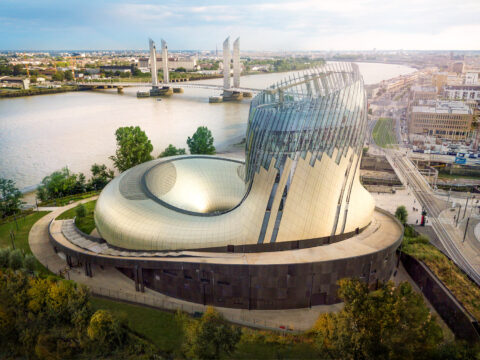
You can see it from afar: the tower of the enormous, gold-colored museum. Some say the building resembles a gnarled grapevine anchored in a glass base. Perhaps you need to have had some wine first to see that? In any case, it cost a pretty penny (€80 million!). Its opening was accompanied by national strikes and protests against the use of pesticides in vineyards. The megalomaniac Cité du Vin wine museum is about more than just Bordeaux wines. Take a tour and learn about the history of wine, test your wine knowledge in the ‘multi-sensory’ tasting room and be sure to visit the in-house wine boutique, with wines from 80 different countries.
Oysters with ‘crépinettes’
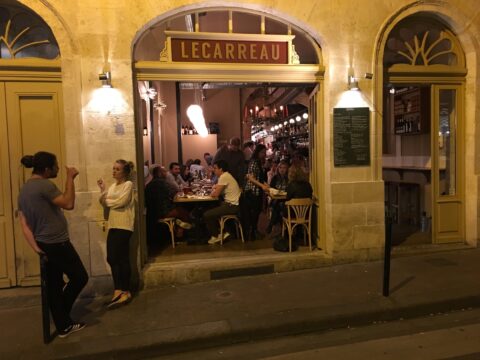
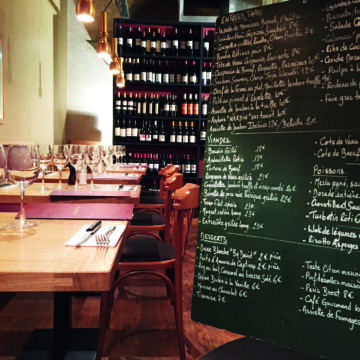
Time for a glass of wine! At Le Carreau you can drink French wines at prices you can only dream of in the Netherlands! The tapas are excellent: a crazy mix of Iberico ham, cabbage stuffed with foie gras and sauce bordelaise, Caesar salad, duck breast, blood sausage and, of course, oysters. Not far from Bordeaux lies the Arcachon Bay, which produces around 10,000 oysters a year. The local specialty? Oysters with ‘crépinettes’, small, flat sausages from the region. Finish with canelés de Bordeaux, the typical little cakes made with egg yolk, vanilla and rum. Addictively delicious!
Sleep and chill at Mama Shelter
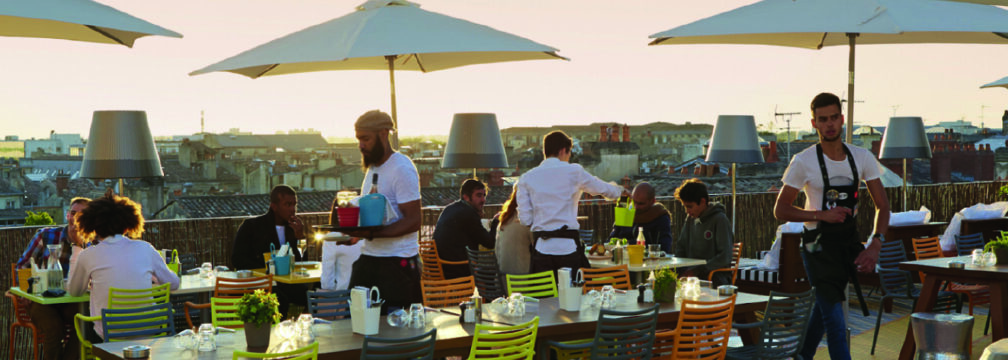
The Golden Age of the elegant wine city can certainly be felt as you walk around, but Bordeaux is also young, hip(ster), multicultural and artistic. Here and there, you can even sense the rough edge of a real port city. In the lively Saint-Pierre district in the heart of the city, in the former 1930s building of gas company Gaz de France, you’ll find the trendy and affordable hotel chain Mama Shelter. The striking design is by co-owner Philippe Starck. Don’t come here just to sleep—be sure to head up to the roof as well. Mama Shelter’s rooftop bar is a wonderful place for cocktails with a fantastic view over the city.
Winery tour & wine tasting
Want to learn even more about winemaking, see a real wine cellar from the inside and better understand exactly what you’re tasting in your glass and why? Then book a winery tour with wine tasting.
Omelet with chicken blood
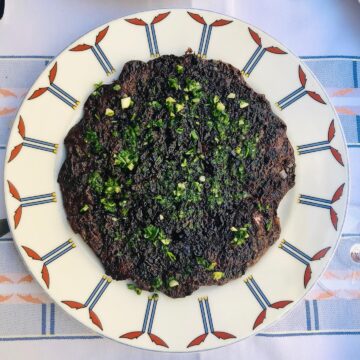
La Tupina is highly recommended if you enjoy authentic Bordelaise cuisine. The chef knows a great deal about the region’s culinary traditions, the decor is cosy and a little old-fashioned, and the dishes are incredible—and incredibly high in calories. Think: lamprey (don’t Google it), an omelet with chicken blood (sanguette is what it’s called)—surprisingly delicious—and, of course, canelé for dessert here too.
A nightcap (beer is allowed)
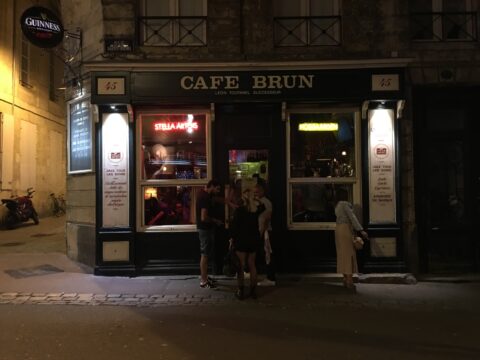
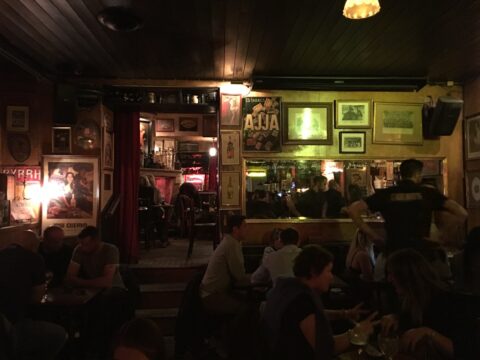
End your evening at Café Brun, the only brown café in a city awash with wine. And beer, because that may well be the most delicious thing after drinking wine all day. There’s a cheerful crowd here and a fun mix of young and old.
Worth a small detour
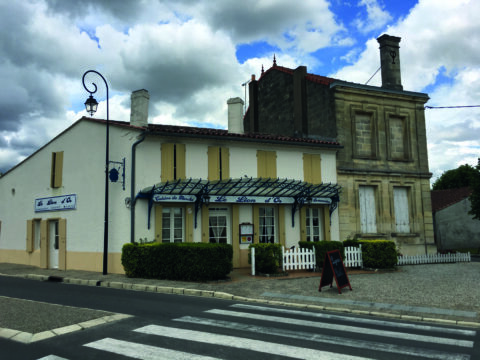
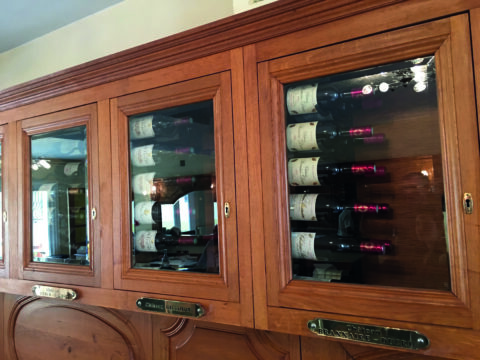
In the village of Arcins, along the main road, you’ll find Lion D’Or, the Médoc’s most famous restaurant. The Médoc stretches from the city of Bordeaux to the Atlantic Ocean, and its name means something like ‘in the middle of the water’. The Dutch drained the area in the 17th century, as it was originally one huge swampy mess. Lion D’Or is the place for winemakers and château owners to eat and be seen. Marvel at the gold-edged glass display cabinets on the wall, where winemakers keep their own bottles.
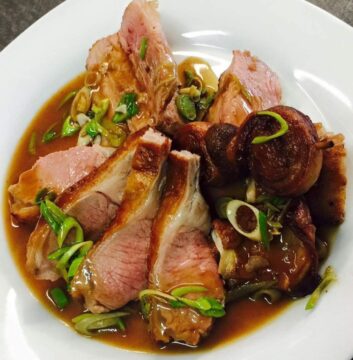
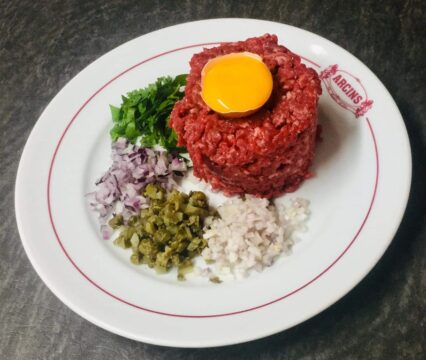
Do come hungry: slabs of meat arrive at the table that even Obelix would struggle to get through. How they manage to eat it all is a mystery to us; it must have something to do with the ‘French paradox’. Because how is it possible that the French shovel down enormous amounts of fatty food without succumbing to cardiovascular disease? It must surely be thanks to the daily dose of red wine they traditionally drink with their meals…
Image courtesy of: La Cité du Vin
Also read:
- Unbelievable: this green sludge is a popular American salad
- Aperol vs Campari: what are the differences?
- Recipe: how to make the most delicious Flügel cheesecake


