


Why Is November Called the Slaughter Month?
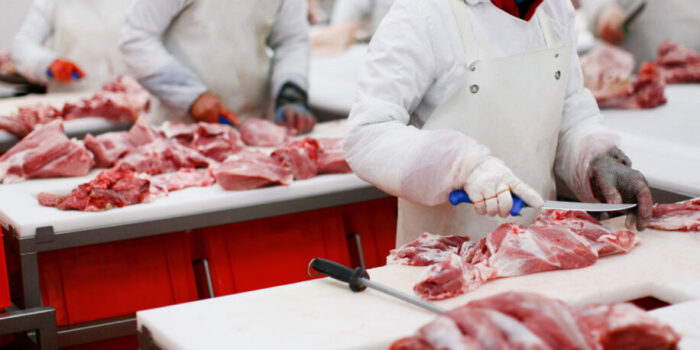
March is the spring month, the month when spring begins. Logical. And October is wine month, the month when wine has traditionally been made. But how did November come by its old-fashioned nickname, ‘slaughter month’?

That sounds strange, because nowadays we have fresh meat all year round. But in the past, slaughtering mainly took place in autumn. By then, the animals were nice and fat after the summer. The weather grew colder and temperatures dropped, so fresh meat could be kept just a little longer than during harvest month (August) or hay month (July). Hence: slaughter month. Historically speaking, this is also a month for building up a stockpile for the cold season ahead: carrots in the pantry, potatoes in the cellar and the shelves of a larder filled with jars of jam and preserved vegetables. Then the harsh winter can begin.
Slaughtering Yourself
Nowadays, butchers work all year round, and moreover, there are only a few artisanal butchers who slaughter and butcher livestock themselves. And they do not do that in the butcher’s shop, behind the display cases with liver sausage and egg salad, because it must happen in a separate, dedicated slaughterhouse. Slaughtering livestock yourself is part of a network of intangible cultural heritage; it is an old craft that should be preserved. And are you committed to sustainable and local food? If you buy from a genuine artisanal butcher, you can be sure that your meat has not travelled thousands of kilometres. If it is organic too, you are really set.


