



12 tips to prevent your food from spoiling and going moldy
We leave the supermarket carrying bags full of groceries, because that means our supplies are nicely replenished. But how do you store all those things as well as possible, so that after a few days you don’t find yourself chucking half of them into the green bin again?

Cucumber likes it warm
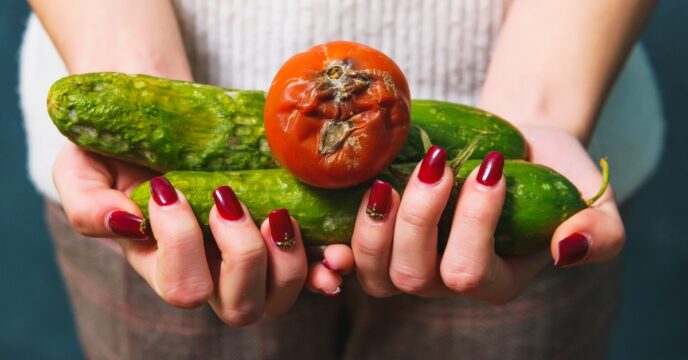
Store a cucumber at room temperature, not in the fridge. In the crisper drawer, it quickly turns into a slimy green lump. Yuck.
And what about tomatoes?
Tomatoes don’t belong in a plastic bag, and they don’t belong in the fridge either. If the tomatoes aren’t quite ripe yet, place them stem-side down in a cool spot so they can ripen a little further. Want them to ripen quickly? Place a banana or other fruit next to them. Once the tomatoes are ripe, store them at room temperature, stem-side up, and make sure they don’t press against each other – that helps prevent rotten, soft spots. And did you know that you can also freeze tomatoes?
Juicy raisins?
Are your raisins dried out, rock-hard and all stuck together? Soak them in warm water for an hour or two and they’ll be soft and juicy again.
Storing bananas
The very best way to store bananas? Wrap the end of the bunch (where all the bananas are attached) in aluminum foil. The foil helps prevent the release of ethylene gas as much as possible. Ethylene gas causes bananas to ripen quickly. This keeps your banana firm, sweet and yellow for longer.
Butter and cheese
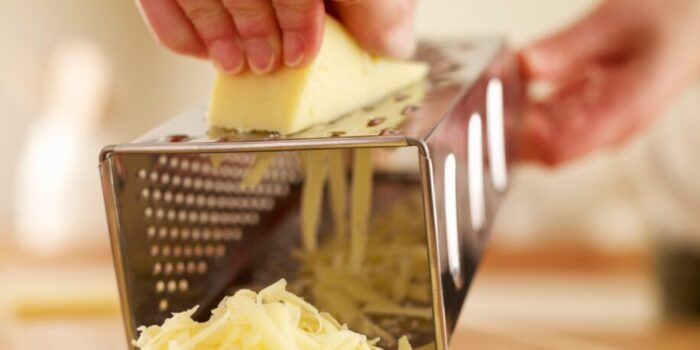
Is your Parmesan drying out? Rub the part you grate from with butter. That keeps the cheese soft. And take your cheese out of its plastic packaging, in any case. Better yet: store it in parchment paper. Parchment paper has a wax-like coating that keeps the cheese from drying out when you store it in a cold and humid place (a must for happy cheese!).
Potatoes like the dark
Do you put your potatoes on a decorative bowl? In the plastic bag you bought them in, and then in the cupboard? Wrong. Potatoes prefer a dark, cool place. The pantry is better, and put them in a crate so they can get some ventilation – this prevents potato rot. If they’re exposed to light, they turn green and glassy – not tasty.
Rum, gin and cognac – past their expiration date?
Fortunately, spirits can’t spoil. An opened bottle of rum or whisky stays good for years. Store them in the dark with the cap on – naturally – and the flavor can only improve.
Storing herbs
Cilantro and parsley sometimes wilt right before your eyes, and the same goes for dill and chives. Store these herbs in a loose bag in the fridge. Sprigs of thyme, rosemary and sage are more oily, so you can store them at room temperature, loosely tied together with string. And basil? Never put it in the fridge, because before you know it, the leaves will be covered in black spots.
Mashed potatoes: freezer!
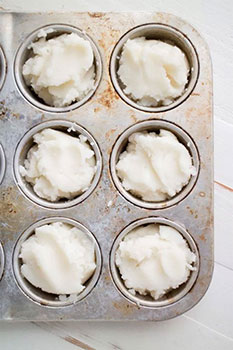
Did you make mashed potatoes but make far too much? Put the leftovers into the cups of a muffin tin and freeze them. Once frozen, pop the mashed-potato portions out of the tin, put them in a bag and take out individual portions whenever you feel like having some mash again.
Green beans in the freezer?
Are your green beans getting a little limp and unappealing? You can freeze them! Cut off the tops and bottoms, cut them to size if necessary and put them in a freezer bag. If you picked them yourself and they still have some soil or dirt on them, rinse them before freezing. You can throw those frozen beans straight into hot water when you want to eat them.
Beets dry out
Cut off the leaves and crown of the leaves from fresh beets as soon as you buy them. A lot of moisture evaporates through the leaves, causing the beets to dry out and become wrinkly.
Peanut butter on sale
Bought two jars because they were on special offer? If you eat a peanut-butter sandwich every day and finish a jar within a few weeks, there’s no need to store it in the fridge. If you don’t eat the creamy spread very often, it’s wise to put the jar in the fridge. That way, your peanut butter will stay good for 6 to 9 months.
Also read:
- Freezing cheese? You can, but remember these tips
- Don’t freeze this!
- 8 things you really want to know before starting a restaurant


