


Wine Vinegar: What Is It Really?
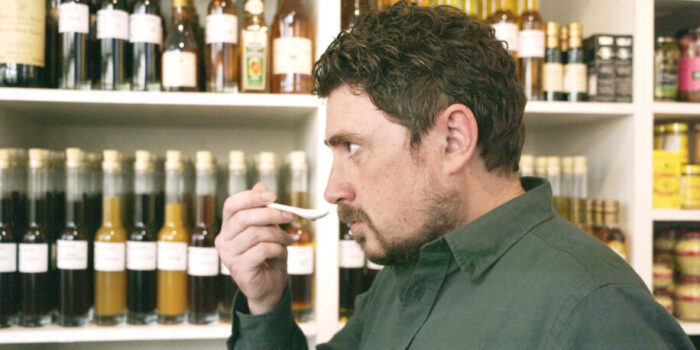
Wine vinegar is a wonderful pick-me-up for all kinds of dishes. Dressing, a small splash in soup, balsamic vinegar over tomatoes: delicious! But what is it actually made from? Keuringsdienst van Waarde investigated, because what exactly is in those bottles?

Grape, region or château—it isn’t stated on the bottle. Wine vinegar is simply wine vinegar, it says on the bottle. At least, that’s what it says on the bottles you buy at the supermarket. Of course, there are specialty shops where they sell vinegar made from, for example, grüner veltliner or cabernet sauvignon. ‘Where the wine vinegar comes from makes a big difference. Grüner veltliner, for example, tastes fresh, like apples, and slightly floral. Delicious with a cucumber salad,’ says the expert at the delicatessen shop.
Rotten Tomatoes
At an alternative vinegar producer in France, you can see how wine turns into vinegar. In large barrels, with a large opening at the top so the vinegar can breathe. It takes about a month for 100 liters of wine to turn into vinegar. And it has to be good wine, says the vinegar maker. ‘Many people use wine that has something wrong with it. But that never makes good vinegar. The base has to be good.’ A waste of wine? No, he doesn’t think so. ‘You wouldn’t use rotten tomatoes to make a delicious tomato sauce either, would you?’
Consumer Rights
None of the supermarket vinegars state what the vinegar is made from. Food technologist IJsbrand Velzenboer finds this worrying. ‘As a consumer, it is a fundamental right to know how your food was made and what it contains.’ And that is clearly not the case with vinegar. Even a wine expert cannot determine which wine was used, because it is nothing but sour, more sour and sourest.
Tears in Your Eyes
Could it be that all kinds of wine are mixed together for wine vinegar, Keuringsdienst van Waarde wonders. They are allowed to take a look at a factory in Portugal. Making vinegar is not difficult at all, the factory manager explains. ‘Wine, oxygen, bacteria and patience—then wine turns into vinegar all by itself.’
Once the barrels are full of vinegar, the factory drains some of it, replaces it with wine, and that turns into vinegar in no time as well. This allows them to draw off vinegar every day—around 3,000 liters a day. And indeed, these are different wines from different producers. Not necessarily good wine, they discover when they taste it. That vinegar also brings tears to your eyes, but it is subsequently filtered and water is added.
Too Strong
Wait a minute: water? ‘So if you buy vinegar at a Dutch supermarket, it contains water? Half water, half vinegar?’ asks Ersin Kiris. Absolutely, because otherwise it would be too strong. No wonder that vinegar at the supermarket costs only about one euro. Cheap wine of dubious quality, diluted with water, no flavor and nothing but acidity: it isn’t much to write home about. The artisanal vinegar maker Sophie interviewed agrees. ‘That’s the industry. They always want as much quantity as possible; quality doesn’t matter at all.’
Image: KRO-NCRV, Keuringsdienst van Waarde


