



Sake crash course
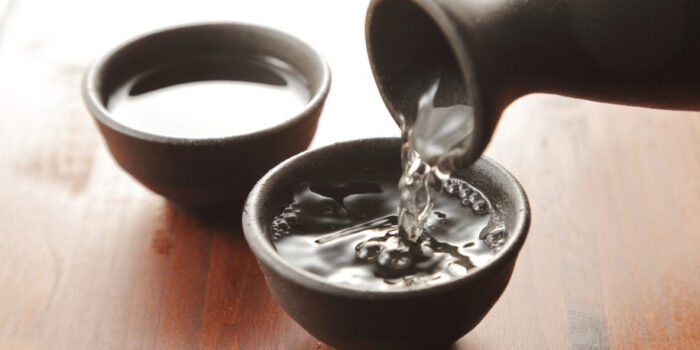
When you think of sake, do you picture a very strong drink served piping hot? Then you should definitely keep reading, because once you drink the right sake, a whole new world will open up to you.

Sake has been made for centuries from fermented rice, water, koji (a mold) and yeast. Sake is also known as rice wine, but the production process is very similar to brewing beer. The starch is converted into sugar by yeasts, and the sugars become alcohol. The difference from brewing beer is that enzymes are added for fermentation in sake, whereas this happens naturally in beer.
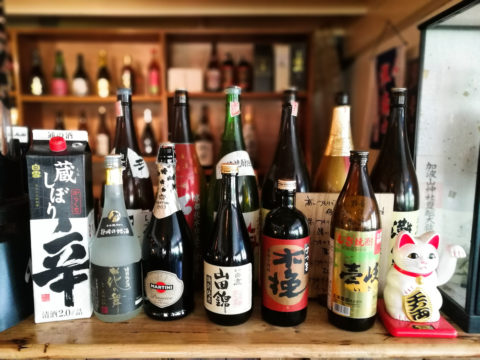
A good start(er)
The most important part of sake is the yeast starter. This can be made in a variety of ways. Water is also a major component of sake; its type and quality determine the final product. But how do you know exactly what you’re going to taste when you buy a bottle of sake?
There is a flavor meter that runs from -19 to 21. You can usually tell from the bottle whether the sake is very sweet (-19) or dry (21). Does the bottle say tokutei meishoshu or junmai? Then you’ve got quality stuff. Do you see sanzōshu or futsū-shu? Then it’s a bulk product.
Glass or box
Sake can be served hot or cold. Make sure you don’t heat sake above about 40 degrees, otherwise all you’ll taste is the alcohol (if you’re served very hot sake, this is intended to disguise poor quality). Cold sake is served in a wine glass, while warm sake goes into a small carafe with a matching cup.
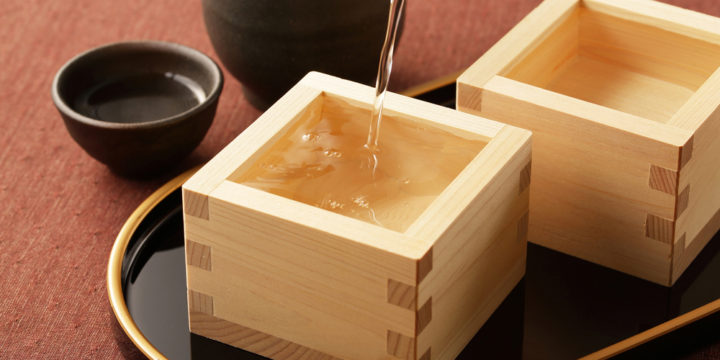
Sake is sometimes also served in a traditional masu, a small wooden box that was used to measure out a daily portion of rice for one person. The (cedar) wood imparts a distinctive flavor.
Food and sake go well together. The drink contains few tannins and acids, so sake and food pairings are easy to create. Think, for example, of grilled meat, fish or vegetables, and sake is of course also fantastic with sushi. You can also cook wonderfully with sake, such as these clams with sake by Tosao van Coevorden of De Japanner.
There is also sparkling sake, a fun alternative to sparkling wine, delicious as an aperitif or with fruit de mer. Sake is available at Asian grocery stores, better liquor stores or through Hokkai Kitchen.
Read also:


