



Storing coffee: not this way, but this way
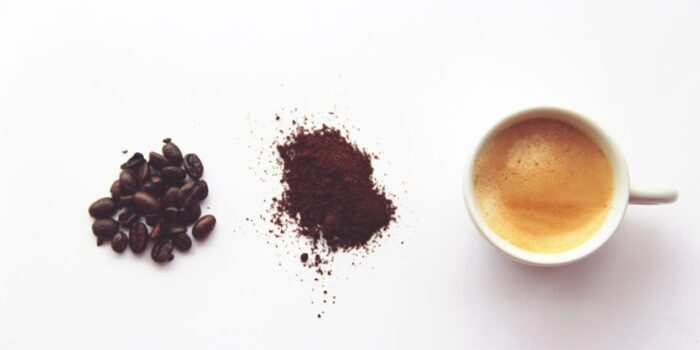
So you’ve spent a fortune on those single plantation washed coffee beans that the trader brought down from the mountains of Rwanda at the risk of his life, and then you put them in a transparent plastic container with a loose-fitting lid. What a waste! Four tips on how to do it differently.

It’s not sugar!
Most people see coffee as a long-lasting product à la sugar, flour and salt. Something you can stock up on at home. But coffee is actually extremely perishable, just like bread. Every coffee roaster will tell you from personal experience that coffee beans no longer produce a winning cup of joe from around thirty days after roasting. So never buy too many beans at once.
Where to store them
Coffee isn’t sugar, then, but is more like olive oil. It too deteriorates quickly once exposed to sunlight and oxygen. Keep the beans away from moisture, light and heat in a tightly sealed dark-coloured glass or ceramic jar. However, the tightly sealed, light-proof protective bag in which you just bought those expensive beans works too. (But not that thin paper bag with a pathetic little clip in which coffee beans are also often sold!)
Don’t grind it like this
Never, ever grind your coffee in advance and then try to keep it ‘fresh’ in the freezer. The fluctuating temperatures, combined with the freezer’s humid climate, damage the oils and cell structure. The result: your coffee starts to smell and taste like the contents of your freezer.
The fresher, the better
As soon as you’ve ground it, the oxidation process begins and the coffee ages rapidly. It can’t be helped. So grind a precisely measured amount of beans no more than fifteen minutes before you’re going to brew coffee. If that’s not possible because you’re travelling, camping or roughing it, drink the pre-ground coffee within a few days.
Also read:


