
Verdejo – Sauvignon Blanc’s Spanish cousin
If you like crisp white wine, you drink Sauvignon Blanc. If you fancy trying something different, Verdejo is a wonderful alternative. Just as aromatic, green and grassy, with some fresh grapefruit and lemon. But where did this wine suddenly come from, and why weren’t we drinking it twenty years ago?

Verdejo – pronounced berdeggo – is the most important grape variety in the Spanish wine region of Rueda. This sunny area, about 170 kilometres northwest of Madrid, lies on a vast plain at an altitude of around 600 to 800 metres. With endless views, warm days and remarkably cold nights. Almost exclusively crisp white wine comes from here. Pure wines in which you discover anise, dill and fennel, and sometimes more complex aromas and flavours too, such as peach and passion fruit.
Gems
This classic part of Spain is actually known for full-bodied and robust red wine. Neighbouring Ribera del Duera, for example, is home to one of Spain’s most impressive red-wine estates: Vega Sicilia.
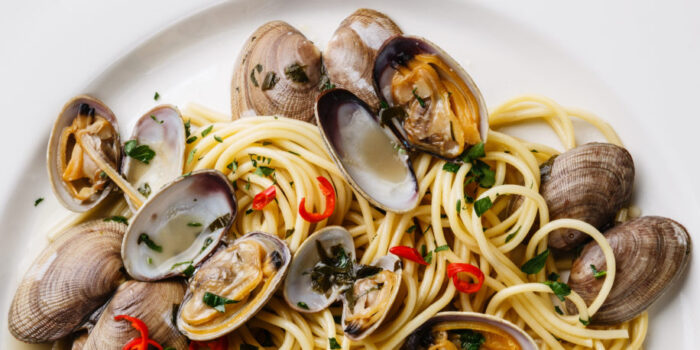
But not Rueda. Here, the verdejo grape has adapted perfectly to the region’s harsh conditions. Poor, sandy gravel soils, dry, hot summers, cold winters and the large difference between day- and night-time temperatures produce crackingly fresh grapes with intense aromas. And thanks to improved insights, wine is now being made here that didn’t exist 30 years ago. Usually young when it reaches the shelves, or with a little oak ageing. Both are incredibly delicious with shellfish, white fish or tapas. The real gems, however, have spent a few years ageing in the bottle and seduce you with sultry aromas of roasted nuts, roses and caramel.
Cinderella
Rueda wasn’t always this fruity and fresh. Quite the opposite. It was actually a region of lifeless sherry-like wines. The verdejo variety oxidises just by looking at it. Contact with oxygen and sunlight during harvesting, making wine in the traditional way; it all resulted in limp, oxidative wine.
But in the 1990s, people saw the light. Harvesting at night and new winemaking techniques – stainless-steel tanks instead of air-permeable barrels – resulted in a completely different style of wine. Cinderella Verdejo suddenly transformed into a beautiful princess. This new wine had fresh, green notes in both colour and flavour (verde is, after all, the Spanish word for green). Full of character and structure, with a distinctive grapefruit bitterness on the finish.
Unfortunately, there is also a lot of Spanish ditch water on the Dutch market, meaning Verdejo doesn’t always show what it can do. So make your way through the uninteresting rubbish. You’d be better off paying a few euros more and discovering the unparalleled potential of an intriguing grape variety.