


Different types of sambal at a glance
Life is short, keep it spicy. With a generous spoonful of sambal alongside your nasi goreng, on your cheese sandwich or with your satay, for example. Does it really matter whether you buy oelek, badjak or manis? And which sambal do you eat with which dish?

One sambal is not the other. One is so spicy that it gives you a headache, while another is so sweet and mild that you can almost spread it on your sandwich like jam. Which sambal you choose mainly depends on your personal taste. Whether you eat sambal oelek or sambal with stink beans with your nasi goreng doesn’t really matter that much. Still, there are a few sambals that pair perfectly with particular dishes.
Different types of sambal at a glance
Sambal is made from (usually red) peppers and salt. What is subsequently added to the sambal gives it a different flavour and a different name. Here we go:
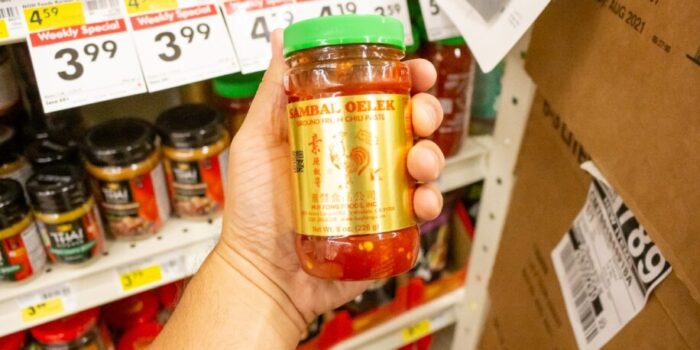
Oelek
Sambal oelek is the purest form of sambal. It is made only from red peppers and salt, so it genuinely tastes like peppers. Raw peppers are hotter than fried peppers, and sambal oelek is not fried. It is therefore intensely spicy and sharp. Oelek is an all-rounder that goes well with everything. Such as with this easy spicy chicken satay. And you can simply make that sambal oelek yourself with this sambal oelek recipe.
Badjak
The peppers in sambal badjak (or bajak) are fried, making the flavour slightly milder than that of oelek. Onions, garlic and shrimp paste are also added. It is also known as pirate sambal. Sambal used to be fried to extend its shelf life, so it could be taken on board. Making sambal bajak yourself is delicious! Great with a sushi burger, or try FavorFlav’s Sharon’s favourite chip sauce: sambal badjak, mayonnaise and ketchup stirred together.
Manis
Is badjak still too hot for you? Then sambal manis is a better choice. Manis means sweet in Indonesian, and this sambal is therefore considerably sweeter. You can spread it generously on your sandwich (delicious with grilled tempeh satay) or cracker—delicious. The sambal is sweetened with a combination of sweet soy sauce and sugar.
Brandal
Sambal brandal is also fried, but is nevertheless very spicy; brandal means rascal, after all. Onion and garlic are added here too, and often shrimp paste as well. A great all-round sambal. Delicious for giving your bami goreng some extra punch.
Peteh
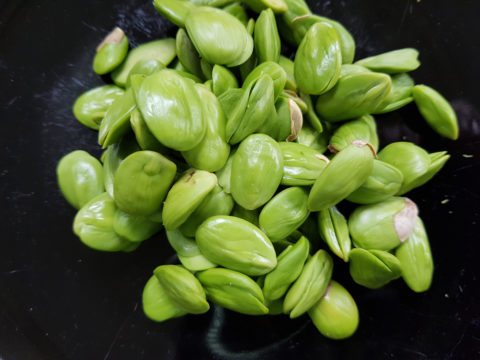
Sambal peteh gets its name from the green stink beans added to it. They have a very distinctive flavour. You have to like them, but if you do, you have a winner to serve with many Indonesian dishes, especially fish and vegetable dishes.
Assem
Sambal assem is fresh and tangy, with a hint of sweetness, thanks to the addition of tamarind (assem in Indonesian). This makes it pair very well with fish.
Jeruk
Another sambal that goes very well with fish is sambal jeruk. It is fresh and slightly sweet due to the addition of jeruk purut (makrut lime leaf). The flavour is highly aromatic and more floral than, for example, sambal assem.
Ketjap
Sambal ketjap contains, you guessed it, a generous amount of ketjap. This makes the flavour sweet but also fairly dark, making it perfect with meat. Babi ketjap with sambal ketjap? A match made in heaven.
Tomato sambal
One of my favourites is tomato sambal. Don’t be misled into thinking that the tomatoes make it less spicy. I have often tasted tomato sambal that was even hotter than oelek. The tomato does add a slightly sweet flavour, which is delicious with prawns, for example.
For the real daredevils
Can you spoon the sambals above straight from the jar with ease? Then get a sambal made from Madame Jeanette or bird’s eye chillies. These peppers are scorching hot, and your head will explode as soon as you put even a tiny bit on your food.
Also read:
- Recipe: fried aubergine with fresh lime sambal
- Recipe: Surinamese telo with peanut sambal
- Indonesian spicy roasted chicken


