



How to: make classic sangria
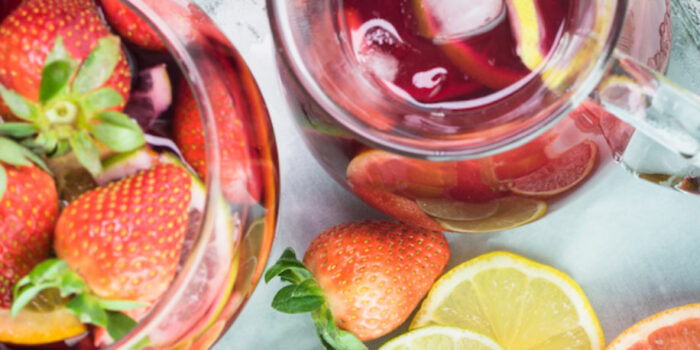
A large glass jug full of ice-cold homemade sangria is wonderfully refreshing. The summery Spanish punch should be sweet and fruity and easy to drink, but not too easy. With these tips, you can ensure that your sangria is perfectly balanced.

Choose the right wine
There is red and white sangria, one made with rosé and one with cava. If you want to make real Spanish sangria, use red wine from Spain. A young, dry and fruity one is best. Some claim that you cannot taste the difference if you choose the cheapest variety (one from a carton, for example), because the fruit will ultimately give the wine its flavor. We have our doubts, but we do know for sure that it does not have to be very expensive. Choose a young, soft and fruity tempranillo or a rioja, or a floral garnacha. Do you prefer a sangria blanco? Then choose a white rioja or another fresh, dry Spanish white wine.
Mix with a spirit
Sangria contains a splash of spirits, intended to complement the darker notes in the wine. If you are making classic sangria, choose brandy. Cognac is also fine, and anyone who wants to stray from the traditional punch can use peach liqueur. Making the white version? Then go for calvados, for example.
Dilute with orange juice
To make the sangria a little less strong, add some orange juice to the wine. Or sparkling water, or simply Orangina—that works too. Or, if you are shopping in a Spanish supermarket next summer, choose La Casera. This is a typical Spanish soft drink that is often mixed with red wine to make, for example, tinto de verano.
Add fruit
The more, the better, as far as we are concerned. Orange in sangria is a must, but whether you add lemon, apple or nectarine as well is entirely up to you. Choose your favorite fruit and make sure it is nicely ripe. Unripe fruit is often bitter and not very sweet, and is also much less juicy. As a result, the wine cannot develop its flavor properly (read: become sweet). That is precisely the trick.
Let it rest
It is best not to make your sangria at the very last moment. The drink is at its best when you let it sit in the refrigerator for half an hour to a maximum of two hours first. The juice from the finely chopped fruit then has time to infuse the wine, making it a little sweeter and smoother. Note: leaving the sangria in the refrigerator for too long is not good either. It will make the fruit very soft and mushy.
Drink it cold
A glass of sangria should be served cold. We just think it is a shame to add a mountain of ice cubes: they dilute the wine. The ultimate tip: freeze some sliced fruit and let it splash into the jug at the very last moment.
Also read:


