


Pintxos, pinchos or tapas?
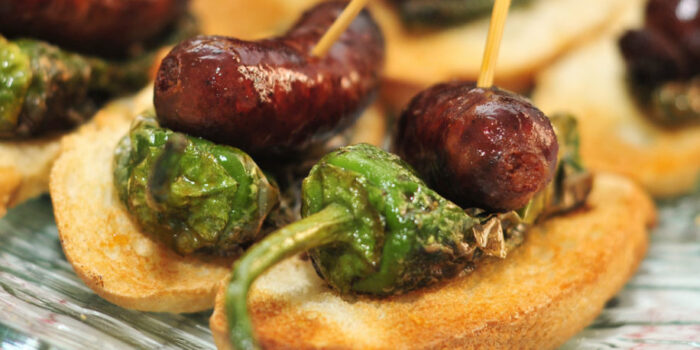
When you’re in Spain, the word tapas flies around your ears. Then suddenly you see the words pincho and pintxo… If you thought they were all the same, think again. Here are the differences and rules for tapas and pinchos.

What’s what?
Tapas, singular tapa, comes from the Spanish word tapear, which means to cover. In the past, large pieces of ham simply hung outdoors, and quite a bit of buzzing was attracted to them. By covering your wine with the piece of bread the meat had been resting on, you prevented flies from getting into your wine.
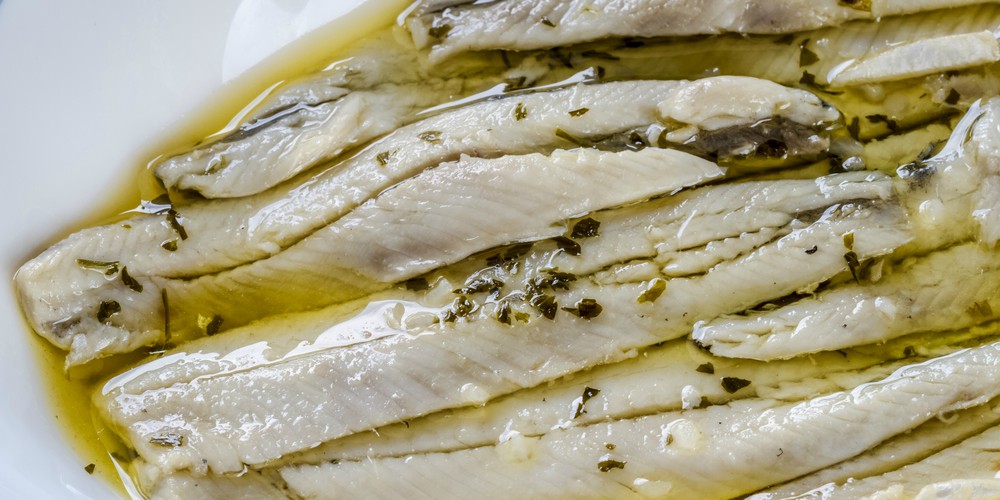
Incidentally, a tapa doesn’t have to be a piece of baguette with meat or fish on it. It is a collective term for ‘small portions’. So it could also be a serving of patatas bravas, or a few anchovy fillets in oil.
Pinchos, pintxos in Basque, are bites served on a slice of baguette with a cocktail stick through them. Pincho comes from the Spanish word pinchar, which means to pierce. Pincho and pintxo therefore mean the same thing: a delicious bite on a piece of baguette with a cocktail stick in it.
Where do you find what?
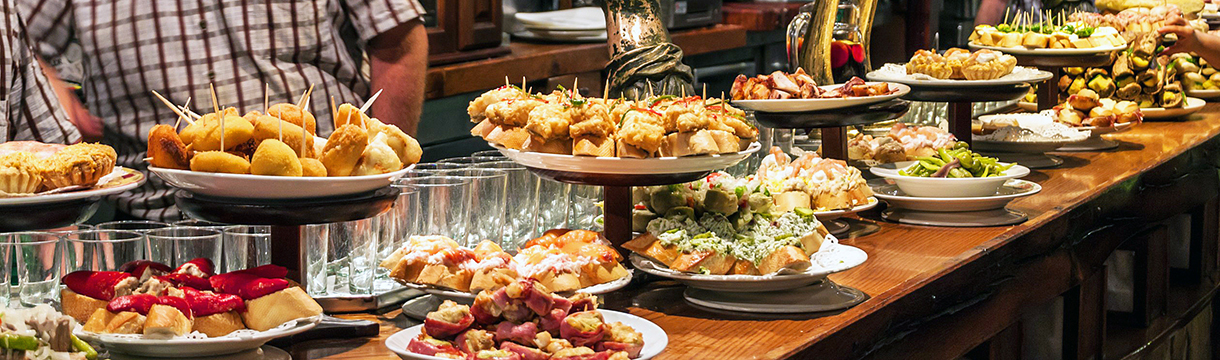
Where you eat what and what the rules are for each bite varies by region in Spain. In the Basque Country, for example, you mainly eat pintxos, while in southern Spain, tapas are more common. You always have to pay for pintxos. You can often take them from the bar yourself, but you have to keep the cocktail sticks so the bartender can count them for the bill.
In Granada and Madrid, your tapas are often free, while in Seville and parts of Andalusia, you often have to pay for your ‘small portions’.
A little bit, please
If you want a little bit of something, for example ‘a small piece of omelet with salted cod’, you ask for ‘un pincho de tortilla de bacalao’.
Also read:
- Viva Valencia! Everything you’ll soon be eating and drinking in our favorite Spanish city
- Recipe: Spanish meatballs for a tapas evening
- Drinking snack during corona times: make your own cheese sticks


