


The best-kept secret from Filipino cuisine
You may think your pantry is on fleek with the best sauces from every corner of the world, but do you already know this Filipino flavor bomb?

Filipino cuisine isn’t exactly known for being the very best food. Sorry if you’re from there and I’m offending you now, but be honest: it’s not much to write home about. Kinilaw (Filipino ceviche) and adobo (meat braised with vinegar, soy sauce and bay leaf) are becoming increasingly popular outside the country, but that’s about where it ends. Or so I thought, because sugarcane vinegar is my new addiction—and it really does come from the Philippines.
Sugarcane vinegar
Sugarcane vinegar, or sukang Iloco, is made from molasses, a by-product of sugar refining. It is dark in color and flavor. The taste is incredibly aromatic and resembles sherry vinegar somewhat, but is just a touch sweeter. This specific type of vinegar comes from the north of the Philippines and is unfortunately difficult to find in the Netherlands. If you can’t find it at the Asian grocery store, luckily you can easily order it online. It is fairly pricey, but there is also a cheaper option. It is slightly less intense, but a good ‘starter model.’
Dipping sauce or syrup
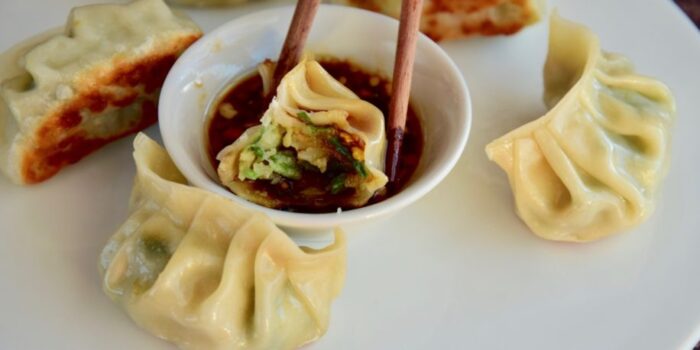
Okay, have you ordered it? Great. Now the fantasizing begins about all the incredibly delicious things you’re going to make with it. Mix it with a little garlic and spring onion and you have a dipping sauce for dumplings or spring rolls (both fried and the fresh Vietnamese variety). Drizzle a little over your roasted chicken or reduce it to a syrup and serve with fruit and ice cream.
Adobo
Are you now completely in the Filipino mood and want to make adobo? Then replace the rice vinegar in this recipe with sugarcane vinegar and add 1 instead of 2 tablespoons of brown sugar. Or simply use it wherever you would use white or red wine vinegar: in salad dressings and sauces, or make a mignonette to serve with oysters.
Also read:


