



The Wintery Scent of Chestnuts: Bring It to the Netherlands
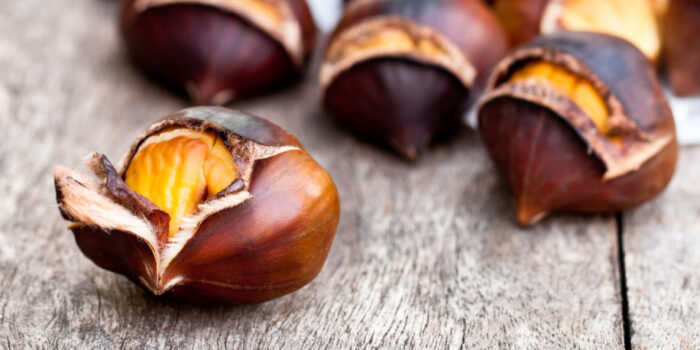
Every year, I dread winter all over again. The melancholy bare trees, lashing rain and howling storms. And then there are chestnuts, keeping the winter blues at bay. The fruit of the sweet chestnut tree, which only releases its subtly sweet flavor after smoldering on a grill for a while. Preferably right in the middle of the street. But unfortunately, I still have to travel a long way for that.

Then again, I could emigrate
Cologne, Istanbul, London, Paris, Rome, Lisbon, Milan, Strasbourg – where can’t you find handcarts (Istanbul), locomotives (Strasbourg), electric mopeds (Cologne), sawn-in-half oil drums (London), converted mobile homes (Milan), folding tables (Lisbon), makeshift stalls (Rome) or pilfered supermarket carts (Paris) piled high with freshly roasted chestnuts? Exactly. In the capital of the Netherlands.
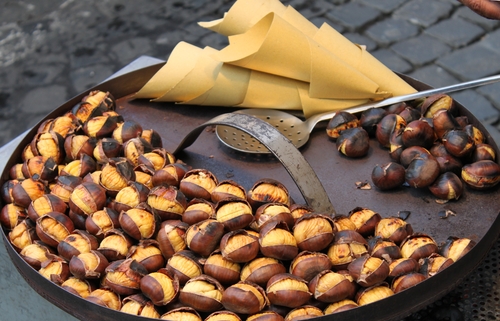
For years, I’ve been advocating roasting this lightly sweet fruit along public roads, alleyways and canals. But apart from the occasional stall at a food festival, to no avail.
The response I get is that the Netherlands is mainly home to wild or horse chestnuts, which aren’t suitable for eating. For sweet chestnut trees (Castanea sativa), they add, you have to go to France. And apparently, you do encounter chestnut vendors in the provinces. But where exactly? Certainly never where I happen to be in the provinces. Which does happen from time to time, honestly.
The 100-mile rule
So, not many local ingredients for this wonderful snack. But my Turkish greengrocer and Moroccan butcher sell beautiful specimens from France. And even the supermarket is overflowing with them when they’re in season. And no, that isn’t particularly sustainable, indeed. No more than mandarins from Spain are. Or apples from New Zealand. Bananas from banana republics. Avocados from California. And sharon fruit from Israel.
France is still fairly manageable in terms of sustainability. If you follow the 100-mile rule—as locavores do, eating only what grows within a radius of 100 miles (160 kilometers)—and you’re standing at the border marker in South Limburg, you just about make it. Or plant the sweet variety here instead. How hard can it be?
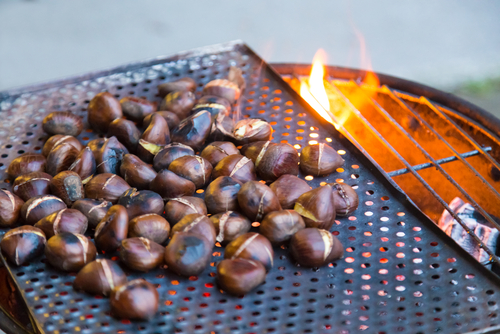
Paper cone
So really, I shouldn’t want this, but it’s stronger than I am. I need roasted chestnuts to get me through autumn and the beginning of winter. And of course I can roast them myself, but I simply prefer eating them on the street.
I love walking up and having the enticing aroma waft into my nose from far away. Then I warm my freezing fingers over the fire while the vendor fills a paper cone with those piping-hot delicacies roasted over coals. Then I have to juggle a chestnut in my hands because it’s actually still far too hot to peel open. And when I’ve finally managed to remove the shell, I burn my tongue—and, if I’m unlucky, the roof of my mouth too—because I’m only growing more impatient to taste it. And then my taste buds finally get to welcome that lightly sweet smoky flavor. That’s what I want.
Got a craving for roasted chestnuts too? Until stalls appear on every street corner, here’s a recipe to make at home.
Also read:


