


10 must-have spice blends
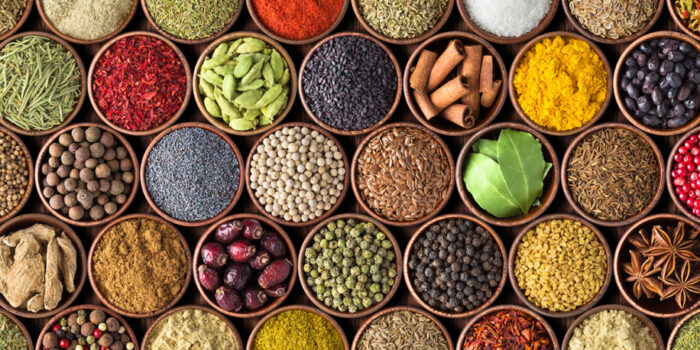
At the Asian grocery store, you’ll find all kinds of spices, herbs and blends in handy little containers. When you fill your shopping basket with all those exotic aromas and flavours, you may still wonder about some of the words: what’s in that container? And what can I do with it?

Asafoetida
Nickname: devil’s dung. Used in India and the Middle East. A staple in curries and stews with beans, as it is said to prevent flatulence. It tastes like leek, onion and garlic and enhances the flavours of other spices. Don’t add it at the very end; always fry it briefly with, for example, onion and garlic in hot oil. This makes the earthy smell of the yellow powder disappear.
Ajinomoto
Japanese flavour enhancer. The same as MSG or the Chinese powder ve-tsin. A pinch of ajinomoto makes the flavour of ingredients deeper and better, but some cooks prefer not to use it: it has never been proven, but it is often claimed that some people have an allergic reaction to it.
Pili pili
Swahili for ‘hot pepper’. Available as whole, dried peppers measuring about a centimetre, or as ground flakes. Also called piri piri, pil pil or peri peri. Let it simmer along with spicy stews for an extra kick; one or two crumbled little peppers are enough to give four people a sweaty forehead. Is the food too spicy? Have a little yoghurt or rice; a glass of water won’t help at all.
Sumac
Red powder made from ground, dried red sumac berries. The berries, and therefore the powder too, taste sour and fresh. Good to know: when you heat sumac, it loses its fresh flavour. So add it mainly at the end or use it only in cold dishes. Sprinkle a little sumac over barbecue skewers, over the vegetables served with bagna cauda, or over a Greek salad with tomatoes, cucumber, onion and olives.
Kemiri nuts
Nuts that resemble large hazelnuts or macadamias. Don’t eat them raw! Grind the nuts with spices into a boemboe, as a base for stews such as rendang. Flavour: bitter, fatty, nutty.
Kencur
Fresh kencur looks a little like ginger roots; when dried, it becomes a beige powder. The flavour is also somewhat like ginger, but slightly stronger. Slices of fresh kencur can infuse briefly in stock for soto ayam, or mix a spoonful of kencur powder into seroendeng, the coconut-peanut sprinkle served over the vegetables in gado gado… And it’s healthy too: in China, dried kencur is used as medicine.
Za’atar
A spice blend that every cook puts their own spin on. Most za’atar blends contain at least dried thyme, sumac, sesame and a little salt. Stir the spice blend into good olive oil and dip pieces of bread into it; that’s when you taste za’atar at its best. Also delicious: loosen yoghurt with tahini, drizzle it over grilled carrots and sprinkle some za’atar on top. Also delicious with eggs.
Shichimi togarashi
A standard fixture on the tables of Japanese lunch restaurants. A blend of seven herbs and spices: Sichuan pepper (spicy!), white and black sesame seeds, dried orange-peel flakes, finely chopped nori, hemp seeds and ginger. What should you do with it? Sprinkle it over your noodles, even if they come from a cheap packet, and you won’t believe the flavour. It also makes a delicious dry rub for meat or tuna before it goes on the grill.
Baharat
Fresh Arabic herb and spice blend. Want to make baharat yourself? Mix cinnamon, nutmeg, cardamom, cloves, coriander, cumin, black pepper and plenty of paprika together—in short, practically your entire spice cupboard. It makes an excellent base for a funky tomato sauce: heat a little oil and garlic in a pan, add baharat until fragrant, then use some canned tomatoes and a little imagination to make a delicious sauce.
Chakalaka
A South African hit. Peppers, paprika, onion, cumin and garlic. The traditional base for chakalaka vegetable stew with bell pepper, carrot, tomato and cauliflower or broccoli and white beans. But chakalaka—as soon as you say the word a few times, you already get that swinging South African feeling—can do much more. Rub chicken legs generously with the spice blend and cook them in the oven, or roll fresh, soft balls of goat’s cheese in the spice blend.
Also read:


