



25x our favorite Asian dishes (with recipes, of course!)
Here at the FavorFlav editorial team, we love Asian food. Why? Because it is incredibly versatile. Just think: there are 51 countries in Asia. That means 51 different cuisines to enjoy! With so much choice, it was still difficult to choose our favorites, but we did it. We picked 25. Will it be Japanese, Vietnamese or Korean tonight? Or Malaysian, Chinese, Indonesian…

Peking duck pancakes
For the observant reader: the Peking duck pancakes also appeared in our top 25 favorites from last year. Correct. But because we can keep eating them (especially FavorFlav’s Sharon), they are also on this list. Crispy, fresh, spicy, umami and a little sweet, this dish has it all. You’ll want to make it. And again. And again. We said it already: you can’t stop eating this.
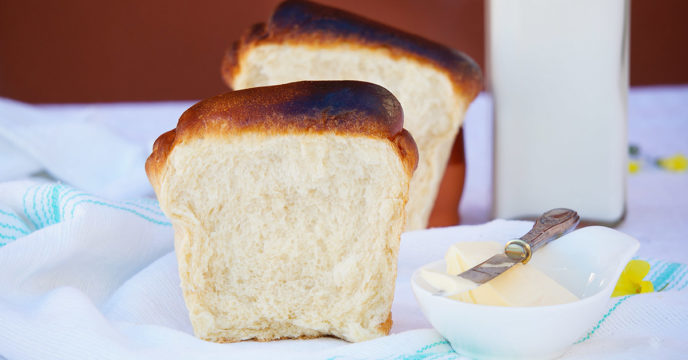
Silky-soft Japanese milk bread
Maybe not a dish you would serve for dinner, but delicious as a sweet snack in between: this recipe for Japanese milk bread. It takes some concentration and precision to make. But if you manage it, you’ll have a true Japanese masterpiece in front of you. By the way, did you know that panko—Japanese breadcrumbs—is made from this milk bread?
Pad Thai with shrimp
Pad Thai is a true classic. Not difficult to make, yet a wonderfully nutritious flavor bomb. We love making this recipe for Pad Thai with shrimp. Especially because we think the combination of shrimp and tofu works really well here. It comes from Noni Kooiman’s Wokbijbel: definitely recommended if you enjoy cooking with a wok.
Northern Vietnamese bun cha
Bun cha is a delicious dish from northern Vietnam. Basically, you eat caramelized pork that has been grilled over a barbecue. That caramelization combined with the smoky grilled flavor is truly phenomenal. For this recipe for bun cha, you don’t necessarily have to get the barbecue out of the shed. Your best pan from the kitchen cupboard will do.
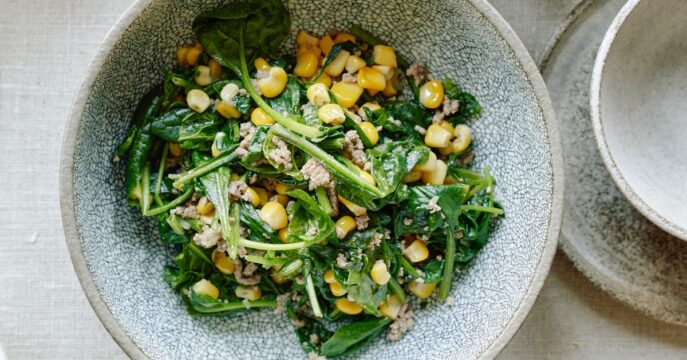
Indonesian Sajoer Bajem
Dishes with lots of flavor, but few ingredients and little effort: those are our favorites. This Indonesian Sajoer Bajem fits the bill. You only need six ingredients, including spinach, mixed pork-and-beef mince and Chinese ginger, plus 30 minutes. Does that last part sound like a lot? You can easily do something else in the meantime, because during those 30 minutes the dish is mainly simmering gently.
Homemade Foe Yong Hai
I wouldn’t be surprised if Foe Yong Hai were the most frequently ordered side dish at Chinese restaurants. Have you ever made the Chinese omelet in tomato sauce yourself? It’s secretly just as delicious. This recipe for Foe Yong Hai comes from the book Chin. Ind. Rest. Sweet and sour, soft and juicy: that’s how you want it, and that’s how you’ll get it with this recipe.
Thai noodle salad with ribeye
Thai cuisine can be quite spicy. Do you love the flavors of Thailand but aren’t very good with heat (like yours truly)? Then try this Thai noodle salad with tender ribeye. The dish contains plenty of flavor boosters, from lime and spring onion to basil, mint and cilantro. As a result, even the biggest spicy fan won’t miss the heat. Personally, I love the meat marinade—with ginger, palm sugar and soy sauce, among other things.
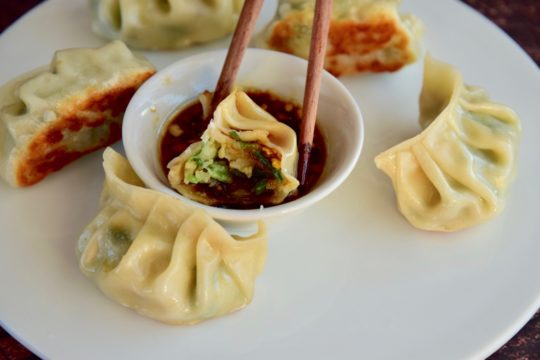
Homemade Chinese dumplings
They may well be the ultimate Asian snack: dumplings. Maybe you always have a bag in your freezer. But making them yourself is just as fun—and delicious. With this recipe for Chinese dumplings, you can make these Asian dough parcels in no time. With pork, shrimp or vegetarian filling—that’s up to you. Tip: serve this Chinese dumpling sauce alongside.
Chicken Nanban from the book YOKO
Chicken in a sauce of vinegar, soy sauce, mirin and sugar, topped with a sauce of eggs, mayonnaise and onion. That is Chicken Nanban. And with that introduction, we’ve already given away that it’s delicious. Because lots of sauce means lots of flavor. This recipe for Chicken Nanban from the book YOKO will be on your table in no time. As if there were a little piece of Japan on your plate.
Vietnamese Banh Mi
As far as we’re concerned, a Vietnamese Banh Mi is the best sandwich there is. Crispy baguette, sweet-and-sour pickled vegetables and sticky meat in one bite? You can always wake us up for that. And for this recipe for Vietnamese Banh Mi, we’re especially happy to get out of bed.
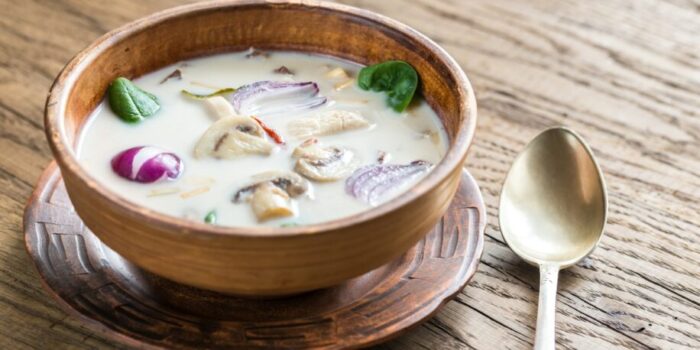
Tom Kha Kai from BOUT
Speaking of true Asian classics. Tom Kha Kai is a mildly spicy soup with chicken, coconut milk and lemongrass. A true explosion of flavor, every time. We would gladly travel to Thailand especially for it. But since discovering this recipe for Tom Kha Kai, we know that isn’t necessarily required anymore. It comes from BAUT restaurant, by Michiel van der Eerde. We especially love the crispy chicken in the soup. Genius!
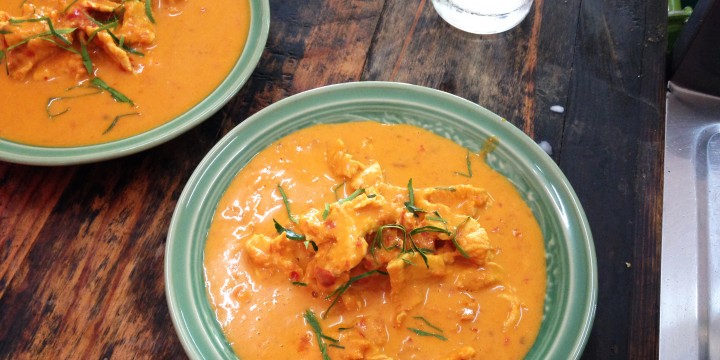
Thai Penang curry
Asia is the continent of curries. Different countries have their own traditional versions. Penang curry from Thailand is—strangely enough—much less well known. We say “strangely enough” because it is so delicious. It is made with red curry paste containing roasted peanuts. Penang curry is fairly mild, making it accessible to everyone. Try Emma de Thouars’ Thai Penang curry. Wonderfully nutty and creamy in flavor.
Super-tender Indian butter chicken
Maybe you eat chicken very often, maybe only occasionally. The vegetarians among us will never eat it. But if you do eat it as a non-vegetarian (or not-too-strict vegetarian), there’s only one way you want it: buttery soft. Incredibly tender. Juicy. Almost melting on your tongue. Jelle Beeckman’s Indian butter chicken (from the book F*ck Granola) is all of that. Swimming in sauce, which you then “scoop up” afterward with naan bread. One word: YUM.
Malaysian mango salad
Fresh, sweet and spicy: that is this Malaysian mango salad. You make it—with mango, of course—but also with tomato, shallot and crushed peanuts. It is completely vegetarian unless you add some dried shrimp on top. (It is very tasty, I must say!) Besides being a lovely mix of flavors, this is also a beautifully colorful dish. A Malaysian celebration on your plate!
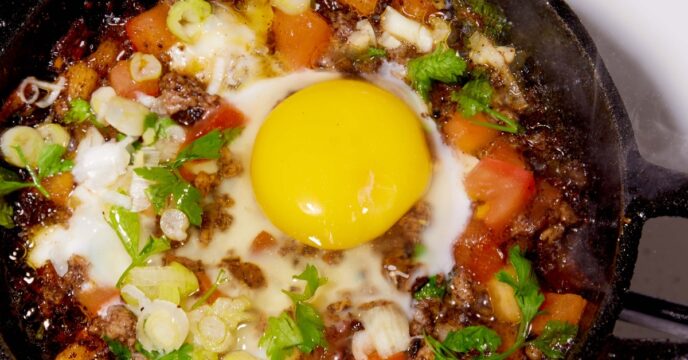
Iraqi shakshuka: makhlama
By now, almost all of us know shakshuka. But have you ever tried the Iraqi version, makhlama? Makhlama has a somewhat firmer bite and is seasoned differently from traditional shakshuka. For example, this recipe for Iraqi makhlama (from the book NOOMI) includes coriander seeds and allspice berries. And lamb mince. A wonderfully tasty addition.
Vegetarian Japanese ramen
Anyone who eats ramen more often may look twice. Isn’t it supposed to contain a lot of pork? If you eat this vegetarian Japanese ramen, you won’t even think about that. Believe me, you really won’t miss it. The tofu is a very worthy substitute in this dish. A nice bonus: the whole table—vegetarian and non-vegetarian—can enjoy it.
Vietnamese spring rolls (with a Dutch twist)
What makes this recipe for Vietnamese spring rolls so delicious? The Dutch shrimp. But also—and perhaps especially—the sauce. It’s a fresh and herbaceous dressing of olive oil, vinegar, fresh chopped dill and sesame seeds. Sounds simple? Just wait until you taste it. You won’t want to dip only these spring rolls in it.
Thai mango sticky rice
Mango gives every dish an instant tropical feel. That also applies to this mango sticky rice from Thailand by, once again, Emma de Thouars. As she says herself: in principle, you can ruin this dish. For example, by not using real sticky rice or by leaving out the mung beans. So definitely don’t do that. Invest in a few good ingredients and your new favorite side dish is born. Deal?
Korean “fiery chicken with cheese”
You want to try this dish just because of its name. And you haven’t even tasted the flavors yet. Can you already picture a thick strand of mozzarella clinging to the chicken as you pick it up from your plate? Isn’t that exactly the kind of image that could appear in your dreams at night? I should warn you: this fiery chicken with cheese from Korea is insanely spicy. Really, truly spicy. So be sure to place a glass of milk next to your plate.
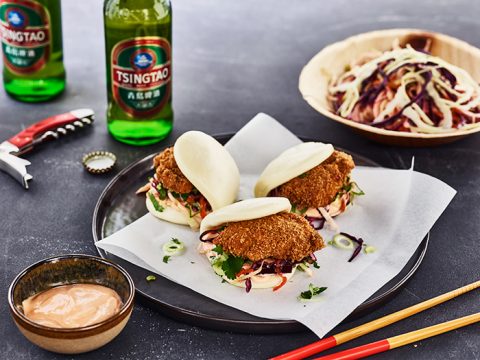
Bao with Japanese fried chicken
Soft white buns filled with crunchy fried chicken: who doesn’t love that? This recipe for bao with Japanese fried chicken is our favorite. It comes—from whom else?—from Emma de Thouars. The fried chicken inside is fantastic, but secretly we love the seasoned coleslaw just as much. Together with the crunchy chicken, the fresh, sweet-and-sour and crisp salad makes a lovely contrast to the soft bao bun.
Fried cod in sweet-and-sour sauce
Admittedly, for this recipe by Maureen Tan, you need to take a substantial shopping list to the store. But it’s worth it. And you’ll find yourself happily heading out with that shopping list again the following week. The fish swims in a sweet-and-sour kecap manis sauce: delicious. Don’t worry, though, because even if the shopping list suggests otherwise, you’ll have this dish on the table in no time.
Crispy Thai pork belly
If you want to bring the taste of Thailand into your home, you need Tove Nilsson’s book Thai. It includes, for example, a recipe for crispy pork belly. It is exactly the way they make it in Thailand. Crispy pork belly is always a good idea, but wait until you taste it with salted ginger. Close your eyes and you’ll briefly think you’re in Bangkok.
Crispy Vietnamese pancakes
Bánh xèo is almost impossible to pronounce. We prefer to call them crispy Vietnamese pancakes. See, now we’re talking! If something is crispy, we on the editorial team quickly become fans. The secret ingredient in this recipe is sparkling water. It makes the pancakes so crisp and light. In her book Miljuschka’s Street Food Vietnam , Miljuschka finishes them with pork belly and shrimp. We think that’s an excellent idea.
Som Tam (Thai papaya salad)
Just as fresh and tropical as the Malaysian mango salad, this Thai papaya salad. Don’t be surprised when you read the recipe. You really do need to buy unripe papaya. That is what gives it its fresh, crisp touch. Ripe papaya is much sweeter. Want it less spicy? Vary the amount of chili peppers.
Also read:


