


4 common assumptions about fish that are simply not true
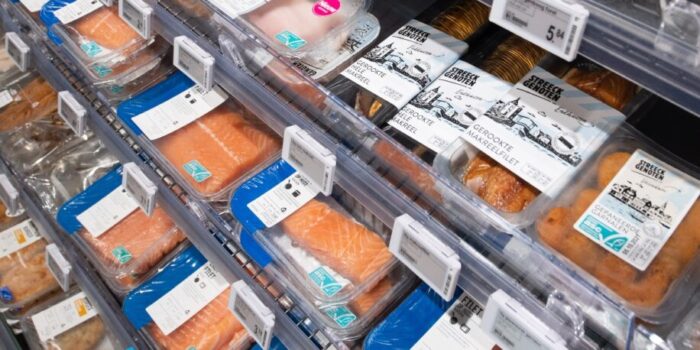
Sustainable fish: many people don’t know exactly what this means. In fact, consumers make assumptions about fish that aren’t always correct. This is shown by recent research* by the well-known fish labels MSC (for wild-caught fish) and ASC (for farmed fish). We’ve listed the four most common fish assumptions—which are incorrect.

When is something sustainable? That’s not always an easy question to answer. The same applies to fish, due to the various factors that influence the sustainability of fishing throughout the entire chain. And it’s precisely this multitude of factors, which people are often unaware of, that leads them to make assumptions about fish that are incorrect when it comes to sustainability.
Assumption 1: more expensive fish is more sustainable
More than half of those surveyed assume that more expensive fish is automatically more sustainable. But that isn’t the case. For almost all species, the sustainability of fish depends on the area of origin and the fishing or farming method.
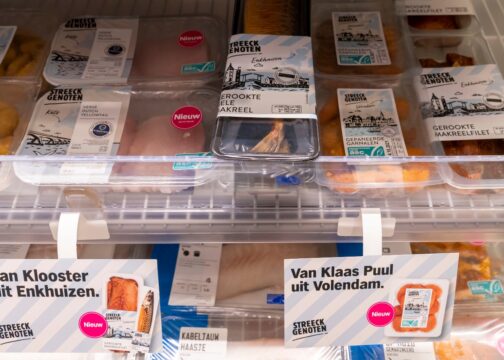
Assumption 2: local fish is more sustainable
45% think that local fish is more sustainable than fish from other countries. That also sounds perfectly logical: local fish requires less transport. However, local fish isn’t necessarily more sustainable. It depends, for example, on the management of fish populations and the international agreements concerning them. It also depends, for instance, on the technique used to catch the fish. Some methods, such as bottom trawling, result in a great deal of unwanted bycatch (fish caught unintentionally).
Assumption 3: fresh fish is more sustainable
One in three Dutch people also believe that fresh fish is more sustainable than frozen fish, even though frozen fish can also be more sustainable due to more efficient transport and less waste caused by spoilage.
Assumption 4: canned fish isn’t sustainable
And one in four Dutch people believe that canned fish is bad for the climate. Yet because of its long shelf life, it is actually a highly sustainable product.
Wild-caught fish versus farmed fish
In general, the degree of sustainability of wild-caught fish depends on the fish stock, the fishing method and fisheries policy. For farmed fish, the degree of sustainability depends on the ingredients in the feed, the farming method and the policies governing fish farming in the country of origin.
Conscious Fish Week
The ASC and MSC fish labels are organising Conscious Fish Week from 22 to 28 September 2025, to inform people about what makes a fish species sustainable and how to make conscious choices. If you want to eat fish tonight and find out what sustainable fish is, you can always check the VISwijzer.
Also read:
*This research was conducted by the Future of Food Institute on behalf of the Marine Stewardship Council and Aquaculture Stewardship Council. The online questionnaire was completed by 1,006 respondents in August 2024 (in a representative sample of the Netherlands).


