


5 reasons why you’ll want to go to restaurant YANO very soon
I’m a born-and-bred Amsterdammer, and I’ll just say it out loud. I love Rotterdam. If there’s even one reason to go to 010, I’m already on my way. Especially when it has to do with my number-one hobby: eating out. So recently I visited the new restaurant Fred** (highly recommended!) and after hearing enthusiastic stories about brand-new YANO, of course I had to go there too. And believe me, you’ll want to as well.

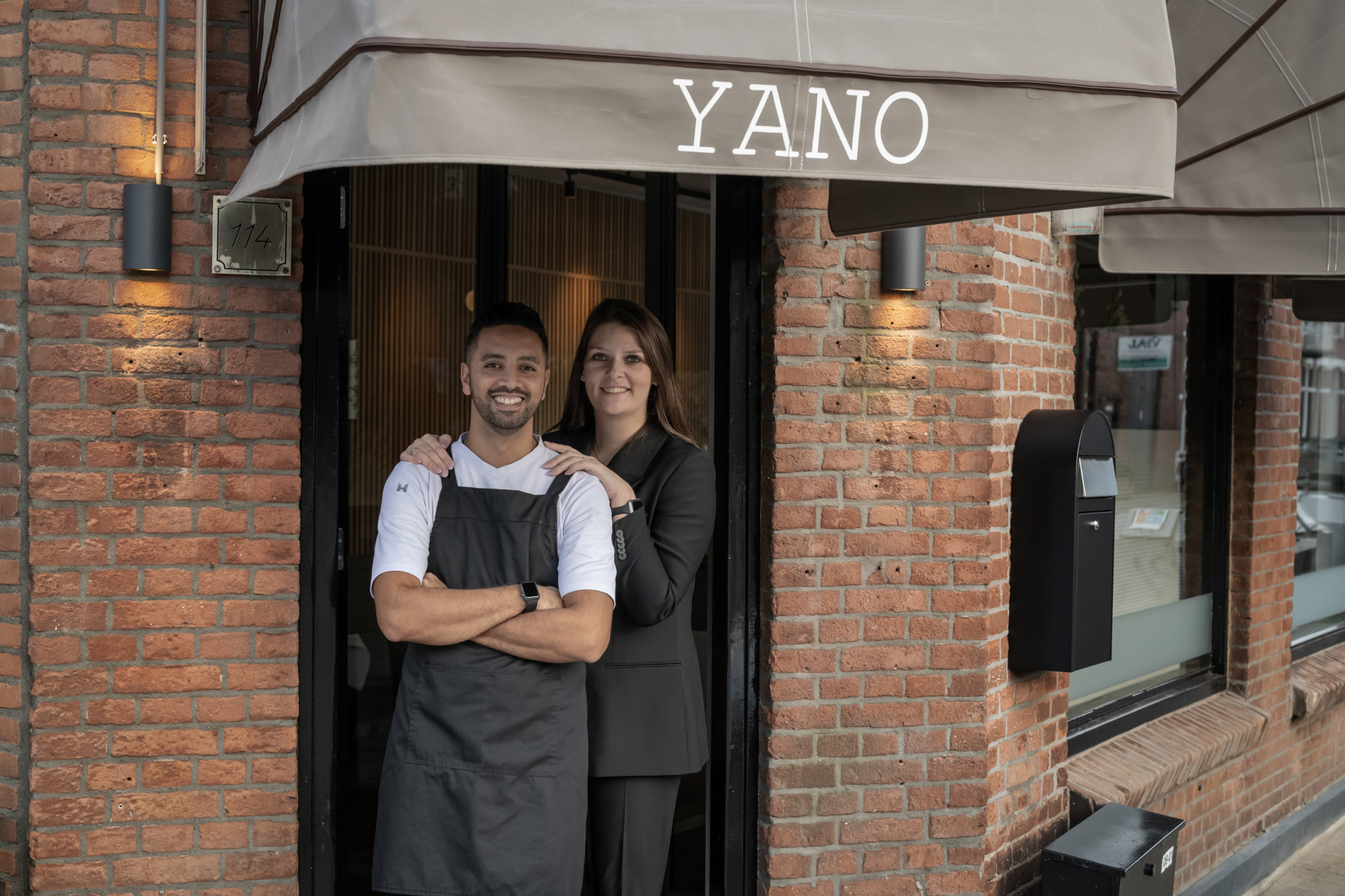
Restaurant YANO in Hillegersberg is the first restaurant of their own for the friendly Britta Wattimena and chef Yuri Wattimena. They have both worked in the upper echelons of the hospitality industry for years. Britta and Yuri worked together—she as the hostess, he in the kitchen—at Rotterdam’s Michelin-starred restaurants FG Restaurant**, Food Labs by François Geurds* and Amarone*. Yuri also worked at The Millèn*. You notice that experience as soon as you step across the threshold. What comes out of the kitchen is wonderful, and if you don’t relax here, you won’t relax anywhere. Which brings me straight to the first reason why you’ll want to go to YANO.
Reason 1: the relaxed atmosphere
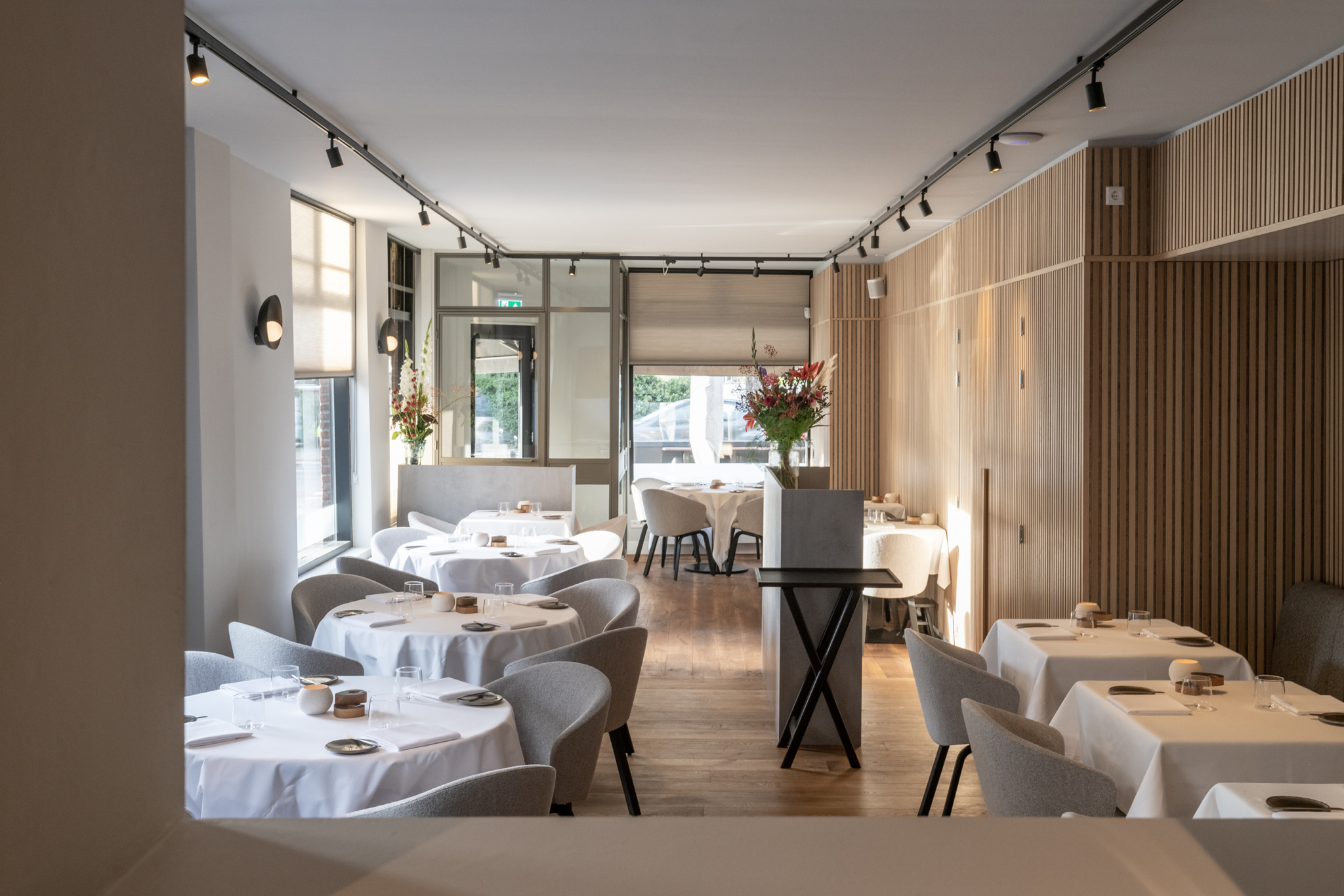
Eating out isn’t only about the food. A beautiful restaurant with comfortable chairs and good acoustics and lighting is just as important as what’s on your plate. Or rather: the two should enhance each other. Jeroen Smeele of Smeele Design knows that better than anyone. Among other things, he designed the interior of restaurant Fred** and created an elegant, understated interior for YANO in the ‘Japandi’ style: a mix of Japanese and Scandinavian influences. Yuri is half Moluccan and Britta half Finnish, so Japandi also reflects part of their backgrounds. And the name? It’s a combination of their children’s names, Noah and Yara.
Reason 2: the original, flavourful dishes
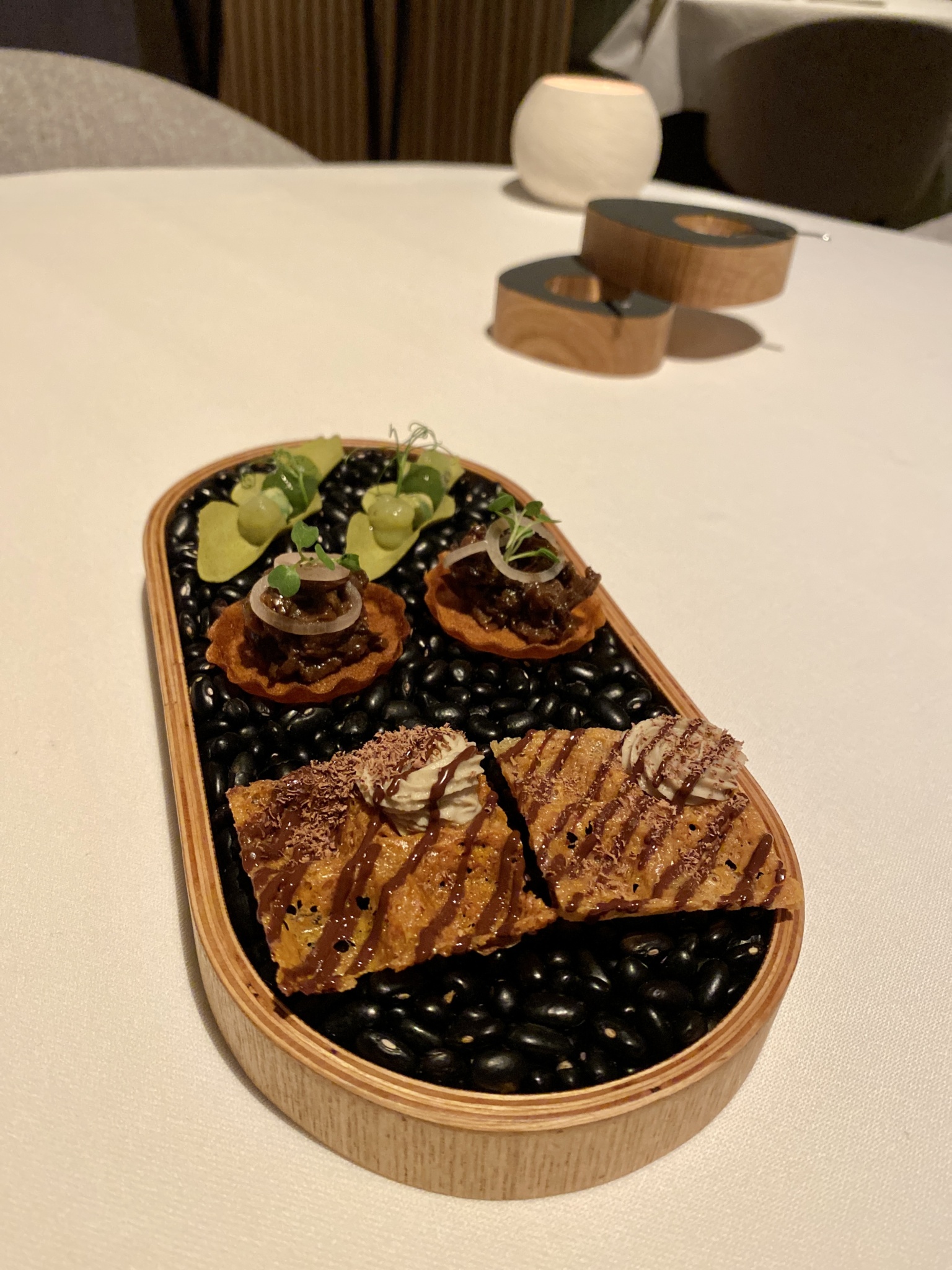
The dishes blend seamlessly with the interior. Yuri has a truly distinctive style; he effortlessly combines the Indonesian flavours of his youth with South American flavours and French cuisine. And you immediately experience that the cooking here is at an absolutely top level with the aperitif snacks. Three bites arrive on a beautiful wooden dish: a crispy wafer made from chicken skin, foie gras crème and dark chocolate (crazzzzyyy delicious!), an aubergine compote enriched with liquorice and sweet-and-sour shallot (exceptionally pleasant), and a crunchy green bean-shaped bite with kiwi and a little wasabi, whose fresh flavours keep dancing around your mouth for a long time.
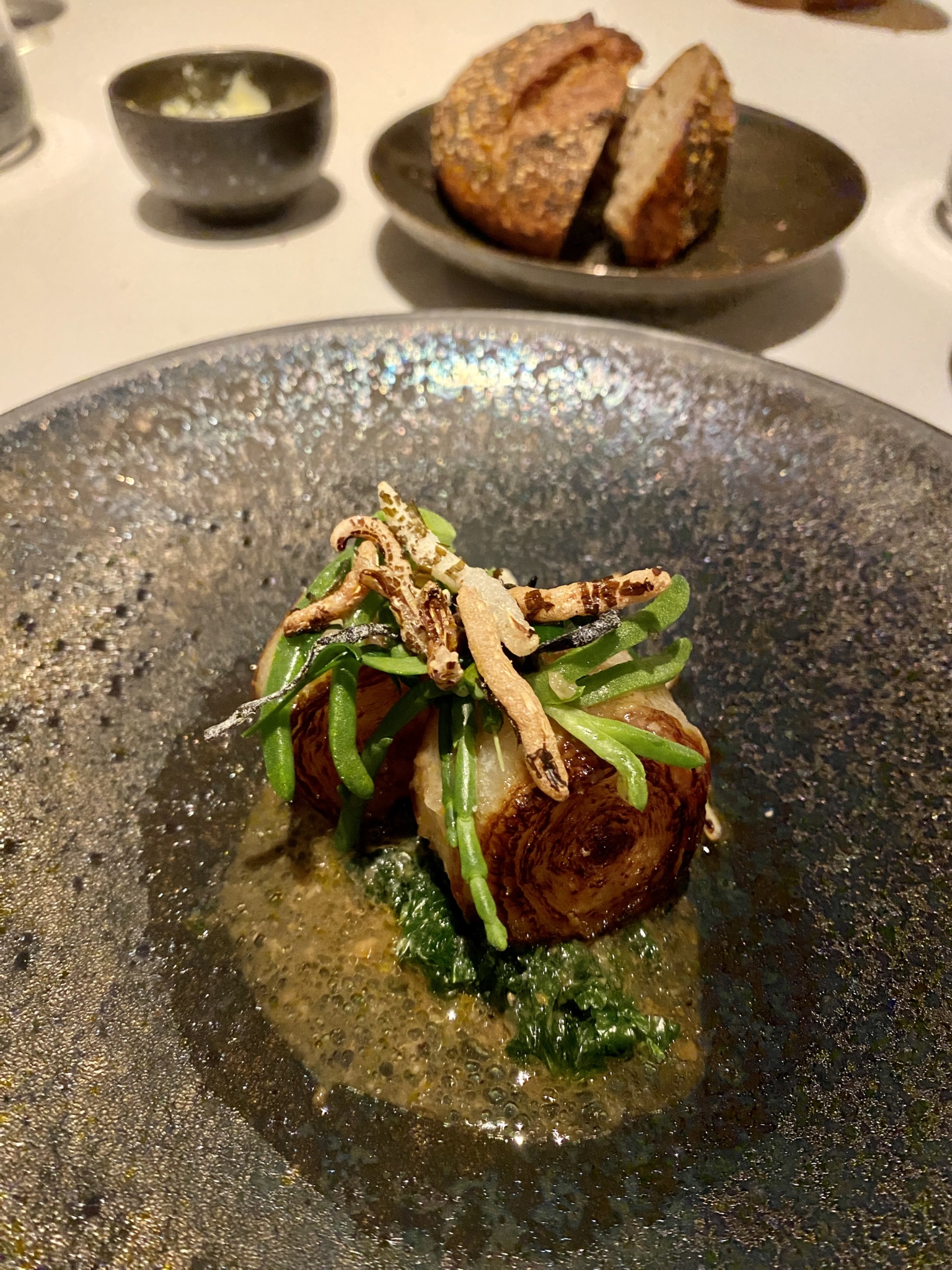
The amuse-bouche—called garlic and onion—and consisting of various preparations and different types of garlic and onion, is also top quality; incredibly rich yet refined in flavour. And that beurre blanc-like sauce—heavenly! Yuri comes to the table himself to serve his dishes and briefly explains why he serves this amuse-bouche: ‘onion and garlic are the beginning of everything,’ says the chef. He is so incredibly modest, and then he cooks like this—wow!
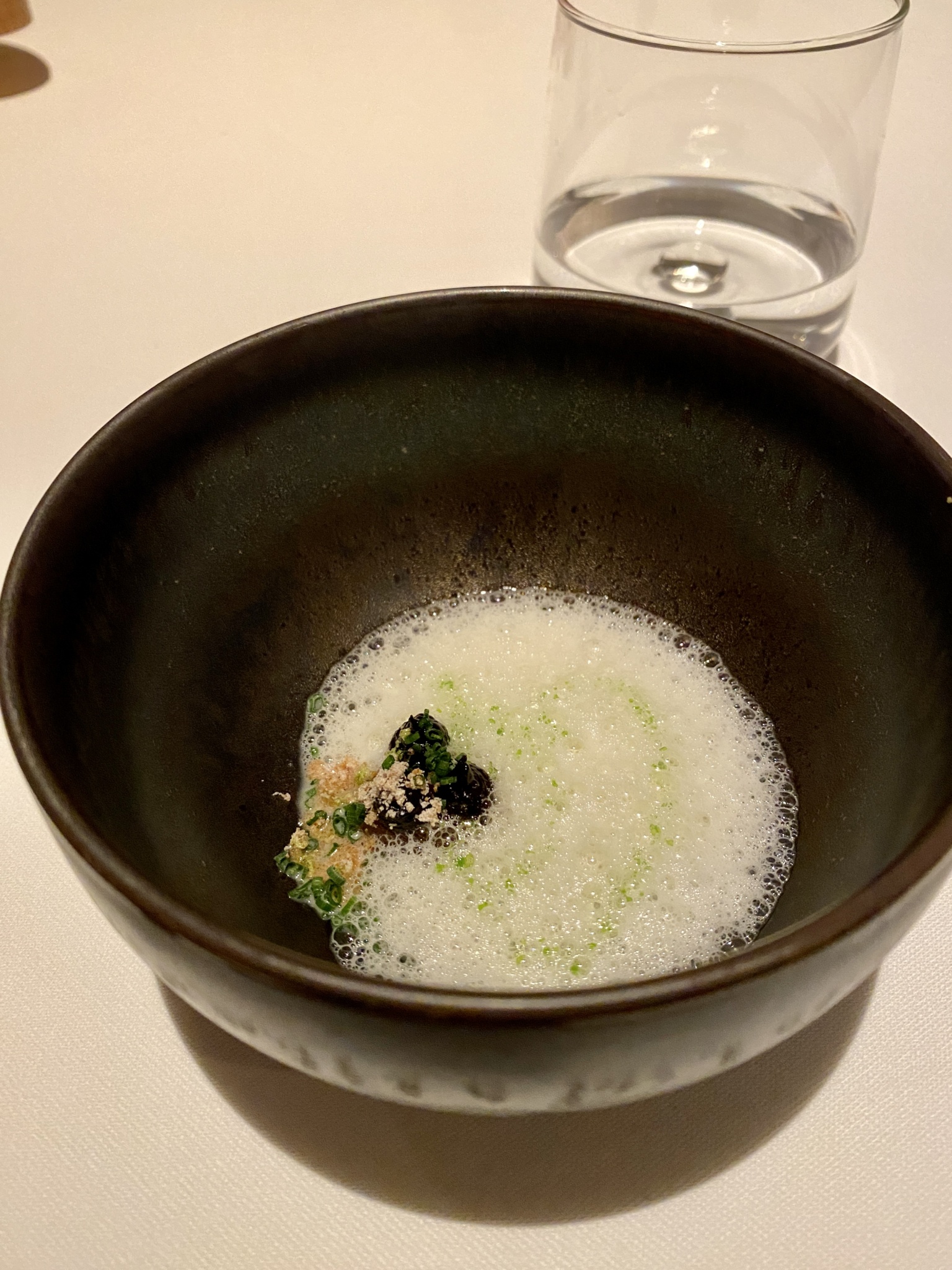
Yuri can even turn daikon (white radish) into an incredibly understated flavour bomb. He does this by slowly cooking the daikon and finishing it with different types of seaweed, puffed wild rice and a vinaigrette based on homemade miso made from… chickpeas. Miso is normally made from fermented soybeans, but during the pandemic Yuri realised it could be done differently. ‘During the pandemic, all sorts of things were fermenting at home, and no, they didn’t always smell very good,’ Britta says with a laugh. But that flavour. This dish is so clever, so refined and so exciting at the same time. Of course, you can blow everyone away with expensive ingredients, but it’s precisely in the preparation of humble vegetables that you recognise the hand of the master.
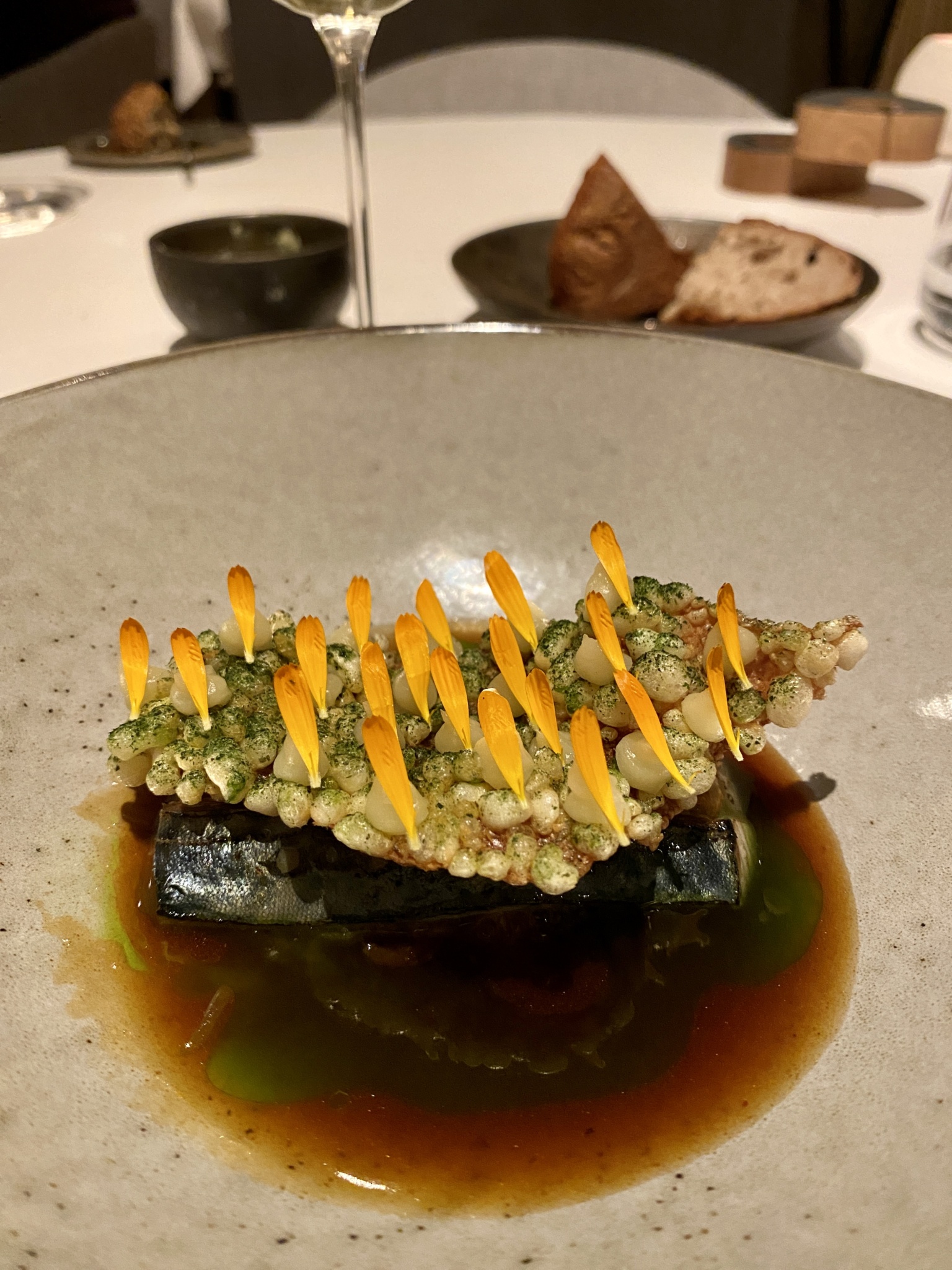
Also fantastic, colourful and carefully spicy is the cured mackerel. It is served with a crème of boemboe (Indonesian spice paste), topped with a crispy potato element and a citrus and marigold gel. It looks beautiful—what painstaking tweezers work in the kitchen! Around it is a broth made from the mackerel heads and bones, simmered for a long time, combined with Djuruk purut (makrut lime leaf) oil. This is a dish that makes my dining companion and me want to start a conga line immediately. This is why you eat out: to taste dishes and flavours you haven’t tasted before, filled with so much love, passion, individuality and skill. Fantastic!
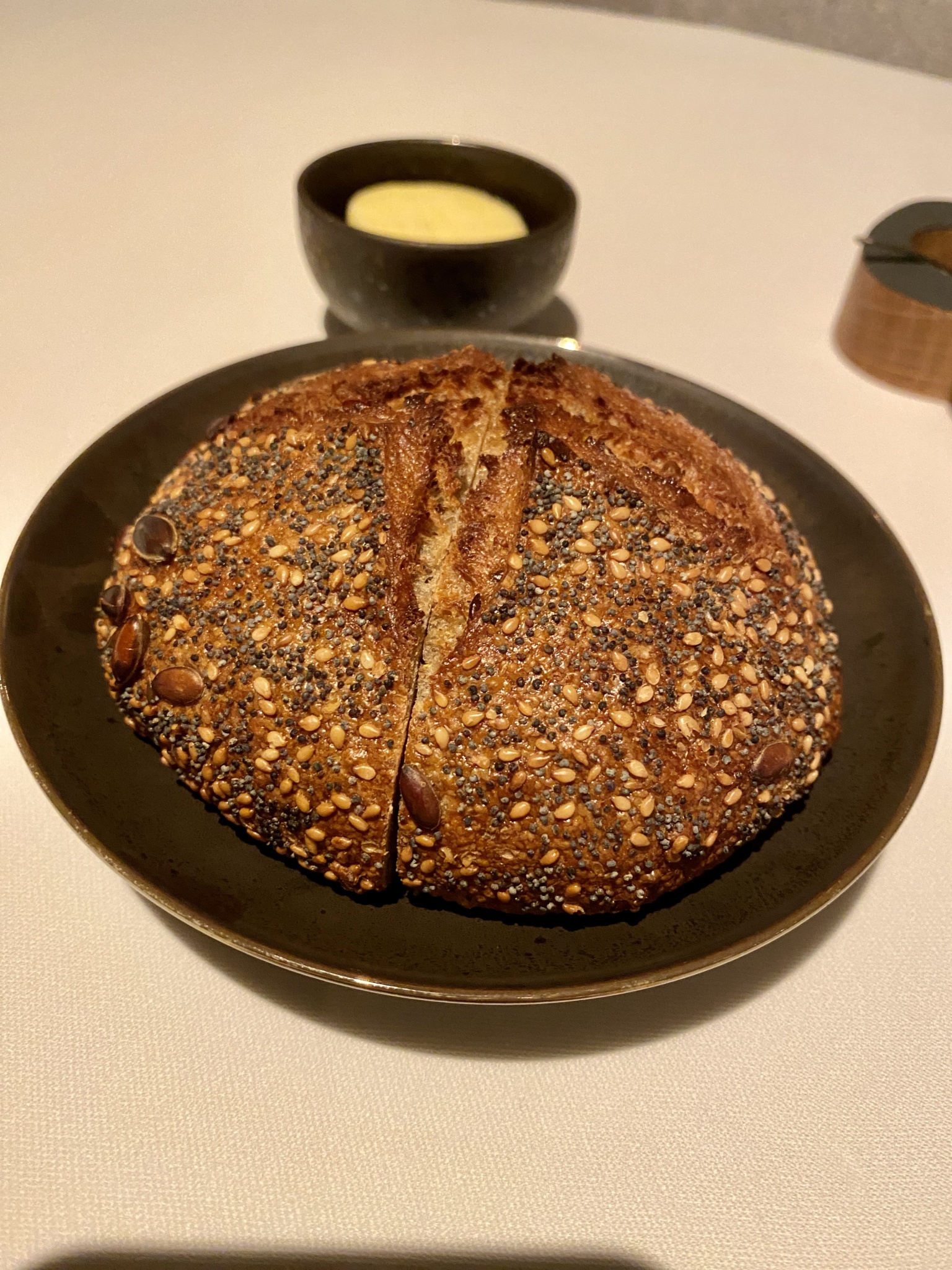
Yuri can also make sourdough bread himself, but it’s so time-consuming that here they serve bread from Das Brot, made with flour milled on millstones. Das Brot’s loaves rise for a very long time before being baked—up to 48 hours!—which gives them an incredible amount of flavour and makes them easier to digest too. Just try resisting it. Absolutely delicious, especially with some salted butter.
Reason 3: the ‘sukade steak’
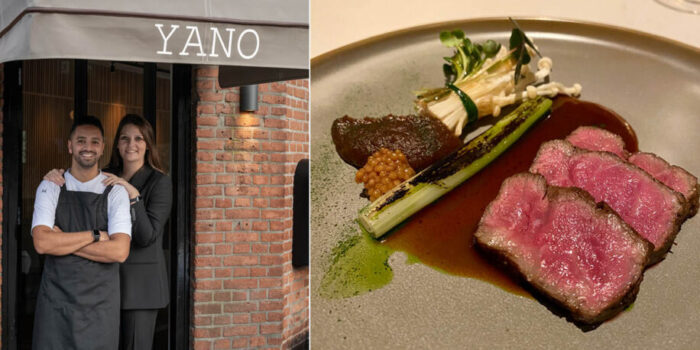
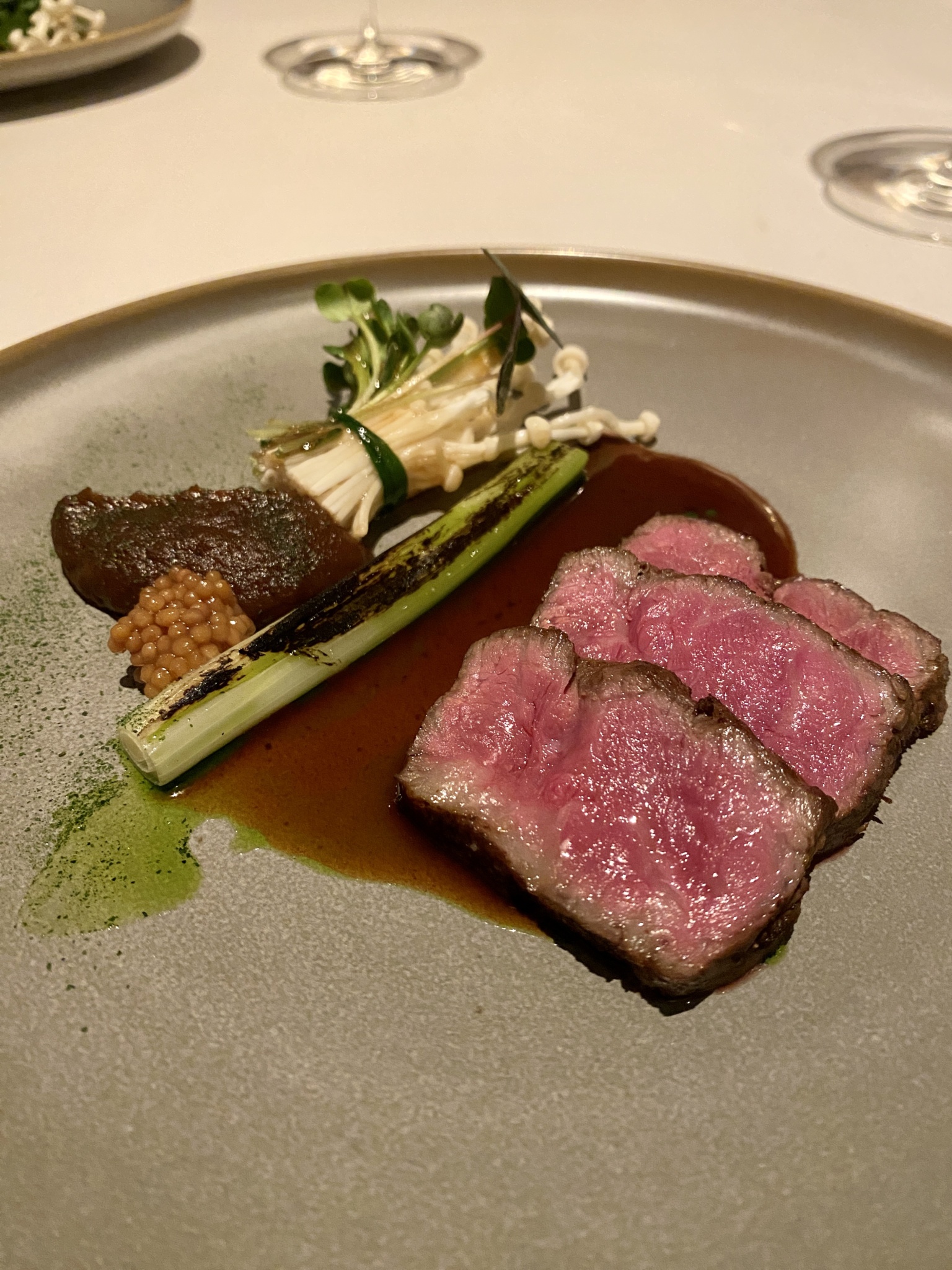
And then there’s beef chuck… chuck is usually used for stews. Slow cooking, a bay leaf added… Yuri has completely turned that idea on its head; at YANO, the meat is made so tender that it can be served steak-style. That tenderness comes from the cattle being fed grain during the final 20 days. They then store more fat, resulting in beautifully marbled meat. It comes with a jus made from the same meat, a roasted-onion crème, charred spring onion, crispy oyster mushroom, enoki mushrooms tied up like a little bundle of herbs and mustard seeds. You’d want to race to Rotterdam for this alone.
Reason 4: the pleasant service
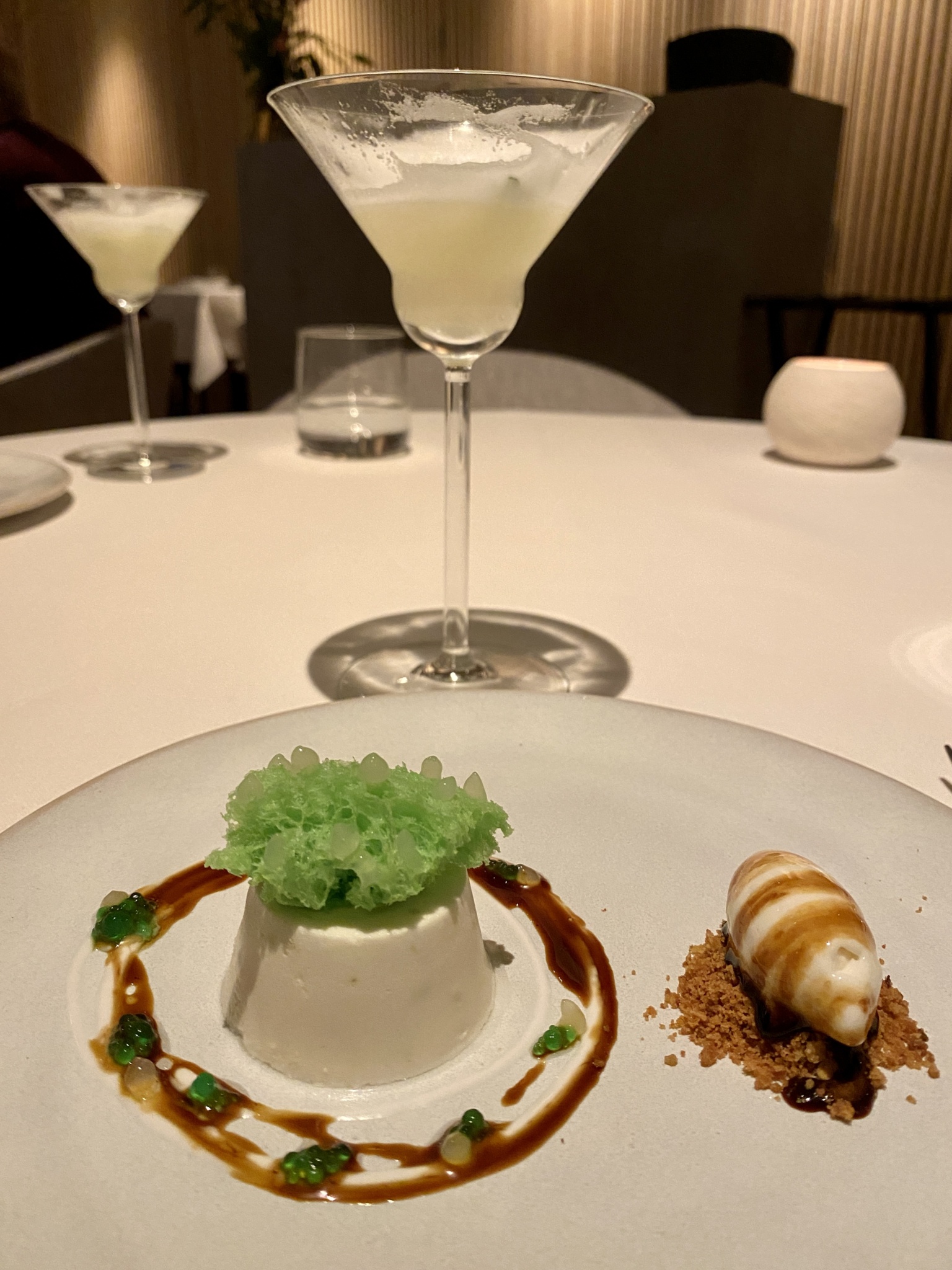
Alongside Britta, Marèl works front of house. She has only just started at YANO, she tells us. Previously, she worked in a wine bar and wine shop, and she talks with great affection about the wine and the dishes she serves. When we tell her we’re not sure whether we still have room for dessert, she brings Britta over. ‘Are you really sure you don’t want dessert? We think you really won’t want to miss this. You know what, we’ll simply make it a small portion, so you can still taste it.’ Good idea. To refresh us and get digestion going after the chuck, Marèl brings a mocktail based on iced tea. Indeed, we wouldn’t have wanted to miss the dessert. It is inspired by the chilled Indonesian drink Cendol (Tjendol, made with coconut and pandan). It consists of a mousse made from coconut, pearls and pandan-leaf sponge cake, combined with ice cream made from pandan rice and a Gula djawa (Javanese palm sugar) caramel. This really leaves us speechless for a moment. Like the other dishes, the dessert is beautiful to look at, very subtle in flavour, with another little kick of a sauce to lift the dish and something crunchy for texture. Without exaggeration, the best dessert we’ve tasted in ages.
Reason 5: the price-to-quality ratio
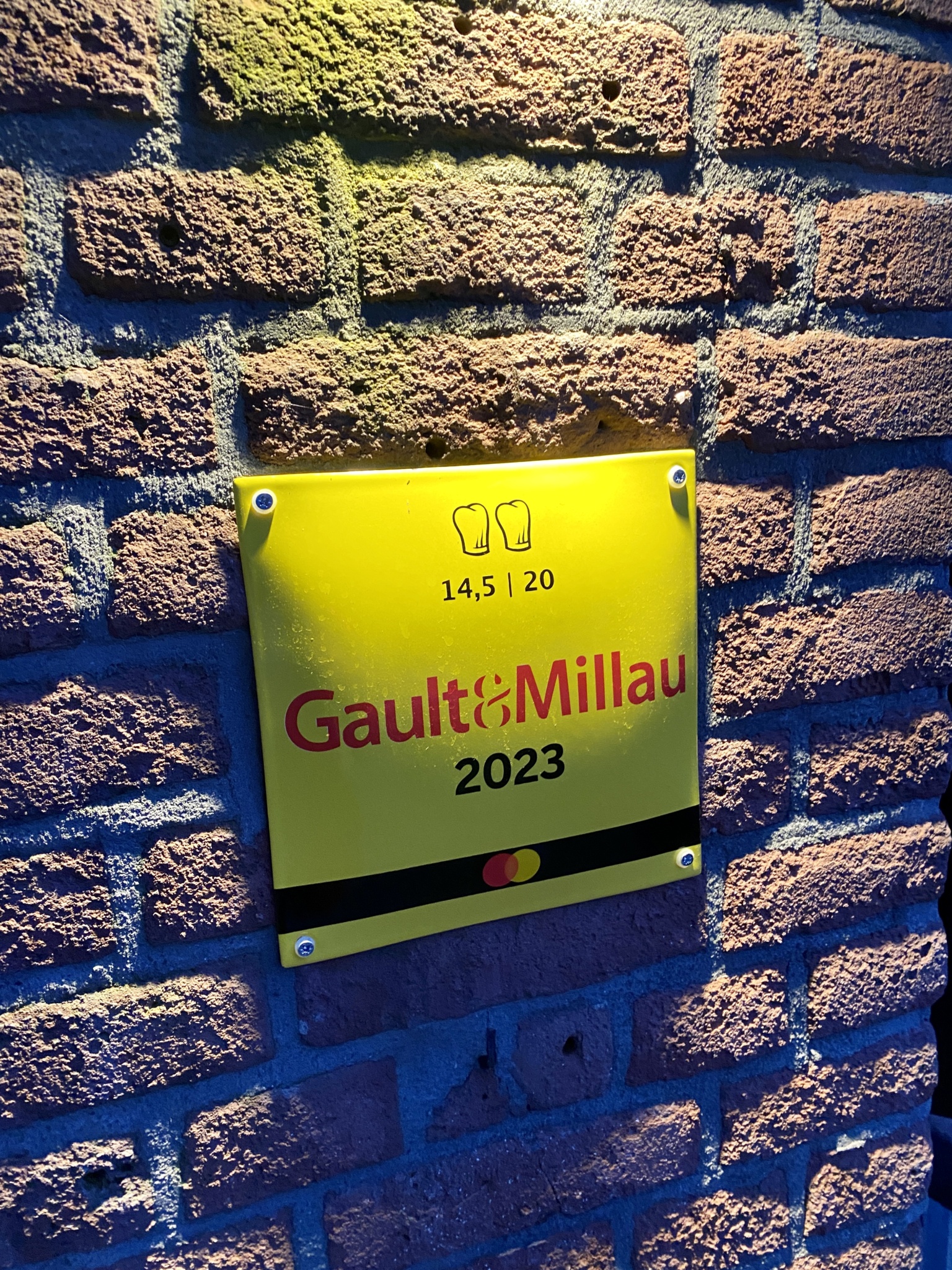
I’m not the only one who is a fan of YANO. In the latest Gault&Millau guide 2023, YANO came in as the highest new entry, and YANO is also included in the new 2023 Michelin Guide. Every month, Michelin announces several restaurants making their debut in the new guide, and for February 2023 YANO was one of the six names announced. Whether these names will receive a Green Star, Bib Gourmand, Michelin star or a set of cutlery remains secret until the guide’s presentation (on Monday, 24 April 2023). But Michelin is wildly enthusiastic, and I’ll eat my hat if this doesn’t mean a star. Michelin: ‘Whether he (Yuri) combines pink-cooked pigeon with butternut ravioli and a pigeon jus perfumed with coffee, or pairs a briefly seared langoustine with a subtly spicy pipián verde and aromatic huacatay: his visually striking creations know no bounds and make all the difference. This experienced couple has everything it takes to let you experience fine dining in their own way.’ And honestly: 45 for a lunch menu, in this setting, with this service and quality—that’s a really excellent price.
Go, go, go!
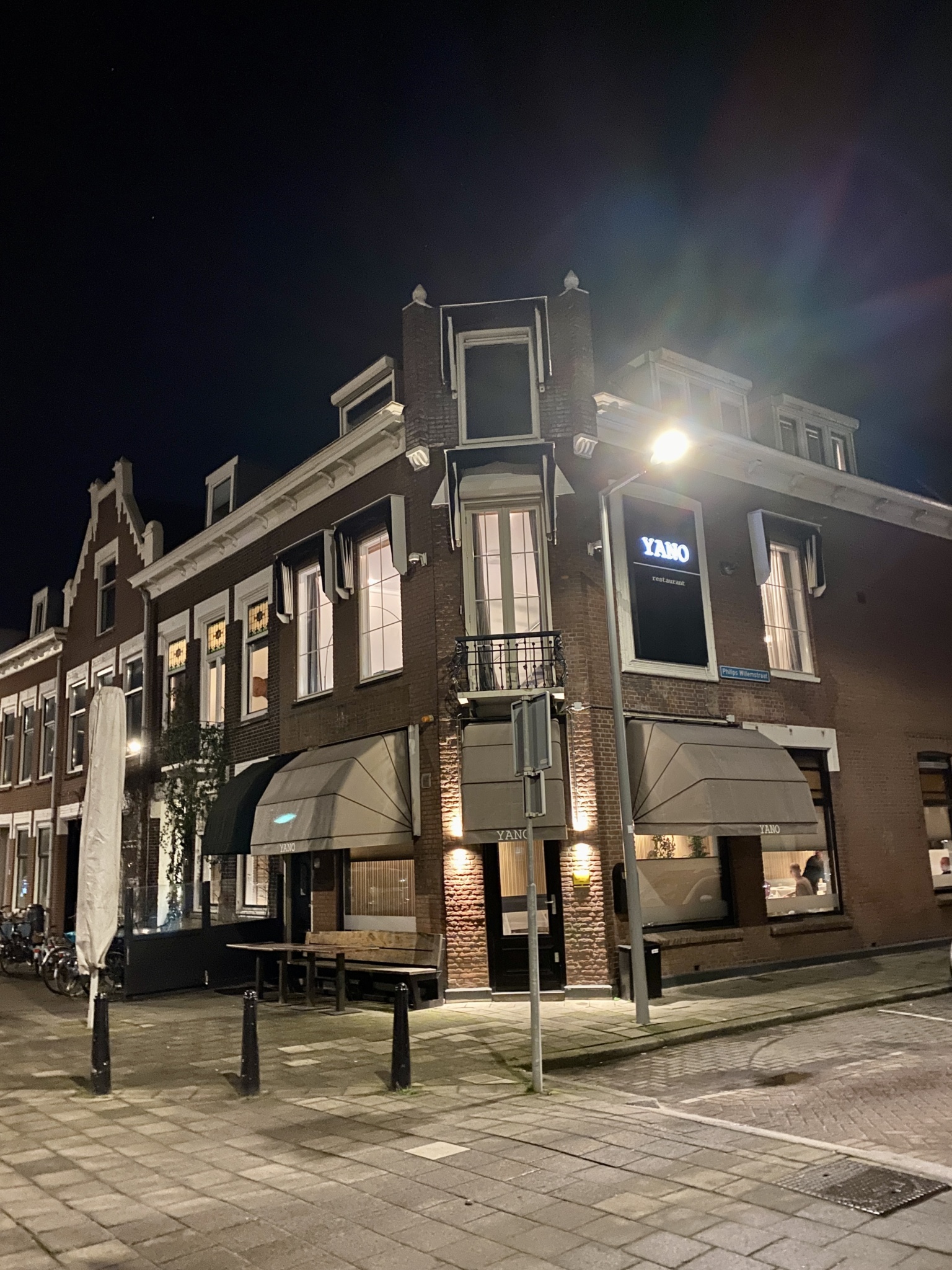
Restaurant YANO is open from Wednesday through Saturday. Lunch is from 12:00 to 14:00, dinner from 18:00. A three-course lunch menu costs 45 euros; for dinner you can choose from five courses (90 euros), six courses (105 euros) or seven courses (115 euros). Ordering à la carte is also possible. YANO is located in the corner building at Straatweg 114, Rotterdam.
Also read:
Images: Emma Groenenboom and own images


