



6 of the tastiest Japanese noodle varieties
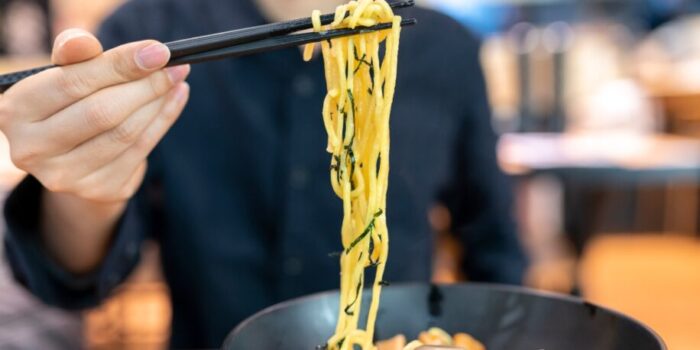
Slurping Japanese noodles from a bowl of soup or twirling them around your chopsticks with a spicy, rich sauce: delicious. Just as there are countless Italian types of pasta for different preparations, Japanese noodles are also divided according to particular dishes. Do you already know these noodles?

Because one strand is not the same as another—and luckily so! Broaden your horizons and always choose the best noodles for every occasion with the facts from this list:
Ramen
Let’s start with one of the most popular varieties. We call the ramen soup (ultimate comfort food!), but the noodles themselves are also called ramen, and the name is derived from the Chinese word lāmiàn. What makes ramen noodles unique is that kansui, or alkaline water, is added to the wheat. This gives them their yellow color and firm texture. Depending on the region and the type of soup they are added to, they are cut thicker or thinner.
Udon
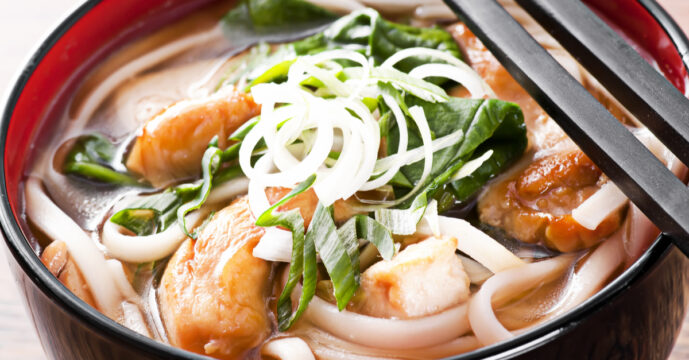
Udon are thick wheat noodles that are wonderfully chewy. As with ramen, their origins can be traced back to China, and the accompanying ingredients are often kept simple so that the texture of the noodles truly takes center stage. They are also used in stir-fries and can be served either cold (zaru udon) or hot. In the former case, you often get a broth on the side to dip the noodles into. Delicious! For example, at this Amsterdam restaurant specializing in udon…
Soba
These noodles are made primarily from buckwheat, and soba means buckwheat in Japanese. They are thin and firm, with a lovely nutty flavor. Chefs sometimes train for years to perfect their firmness and shape! In the seventeenth century, soba was considered medicinal because the vitamin B1 in buckwheat seemed to help combat beriberi. It is served in ways similar to udon noodles.
Somen
Somen are very thin wheat noodles that are often eaten as a light dish during the warmer seasons. Unlike other noodles, somen are made by stretching and pulling the dough rather than cutting it, creating their characteristic thin, round noodles. Cold, they are delicious with a soy or tamari sauce for dipping, along with toppings such as ginger and spring onion. Serving them cold also prevents these thin noodles from becoming soggy.
Yakisoba
Yakisoba is the name of a dish, and although soba is part of the name, it does not contain buckwheat noodles but ramen noodles. For yakisoba, the noodles are stir-fried in a wok with vegetables and a dark sauce, and are usually topped with red pickled ginger, bonito flakes and Japanese mayonnaise.
Shirataki
This is a special variety that is becoming increasingly available in the Netherlands. Shirataki noodles are made from the root of the Asian konjac plant and are almost translucent white. The name shirataki means ‘white waterfall’ in Japanese, and the noodle shape symbolizes falling water. What is special about these noodles is that they contain very few calories and a lot of fiber. But before you start filling up on them every day: there are reports that eating them in large quantities can cause a bloated, painful stomach. So enjoy them in moderation! They are often served in hot pots because they do not dissolve or overcook in hot broth.
So these are the best-known Japanese noodles and a few of their uses. In any case, a list like this makes us incredibly hungry, so off to the Asian supermarket!
Also read:
- Stocking your Japanese pantry is easy
- Try roasting your ginger sometime
- For all sushi lovers: this is what that second hole in the soy sauce bottle is for
Source: Pogogi


