


8 tips to make everyday cooking more fun and easier
Not all tips in life have to be earth-shatteringly extraordinary. Sometimes a small, well-intentioned tip or comment from someone is enough to help you gain a new insight or make something easier. These tips from people who cook virtually every day, for example, might help you get a little more routine or enjoyment out of it too:

Because not everyone enjoys standing over the stove. But if you’d really like to cook for yourself or others, yet feel that everything could simply be a bit more convenient (or easier), these tips might be just what you need to feel more at ease in the kitchen. They come from people who simply want to help you get started.
Do your MEP
Take a moment for mise en place; French for ‘putting in place’. This really doesn’t mean that you have to make complicated, highly professional dishes every day: it simply means that before you turn on the heat under the pans, you have everything you’re going to cook with ready to go. Sometimes, throughout the day, I’ll put something on the counter as soon as I think of it that I don’t want to forget: a particular spice jar, for example, or the vegetable that really needs to be prepared today before it goes bad. But that’s when I’m not following a recipe. If you are:
Read the entire recipe carefully first
We can’t say it often enough. You don’t want to start making banana bread full of enthusiasm, only to discover right after cracking the eggs into the bowl with the mashed bananas that you’re out of flour. So read first, then do the mise en place.
Try cooking rice or grains in stock
Whether you’re working with couscous, spelt, brown rice or quinoa: cooking them in stock instead of water immediately gives you a head start in the flavor department. Easy, then—just be careful not to use stock that’s too strong, or the result may be too salty. You can always add more salt.
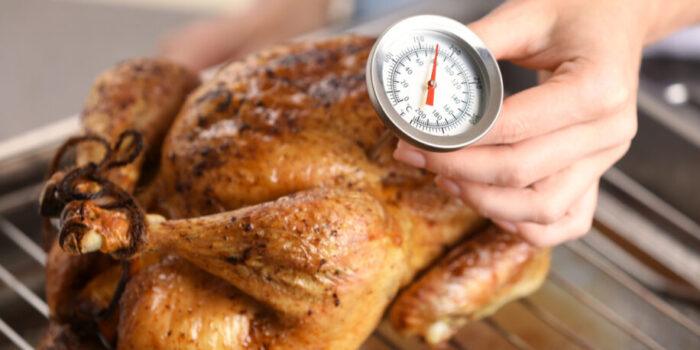
Buy (or ask for) a proper meat thermometer
You probably won’t use it every day, but trust us: there are plenty of moments when you’re preparing meat (if you do) that you’ll wonder whether it’s cooked through and leave it frying or simmering for a little longer, just to be safe. With the risk of overcooking it, leaving you with tough or dried-out meat. What a waste! A meat thermometer takes all that doubt out of your hands, and you can find the correct internal temperatures for every type of meat all over the internet.
Remember: SVAA
Salt, Fat, Acid, Heat. These four elements are not for nothing the title of Samin Nosrat’s wonderful cookbook, because the right balance between them truly completes every meal. Put simply: use enough salt, a lemon or lime is one of your best friends in the kitchen, use heat both as a cooking method and as a spicy element, and don’t be afraid of fat. Olive oil, butter, full-fat yogurt: bring it on.
Tidy up (a little) and do the dishes while you’re cooking
There’s almost always a minute or two available while your food is in the pan, when you can quickly wash a mixing bowl, cutting board or another pan. This saves you so much hassle at the end of the meal, and you can generally enjoy your food much more when there isn’t a whole mountain of dishes waiting on the counter for later.
Fresh herbs make all the difference
Some finely chopped (or torn or snipped into pieces) fresh green herbs can really give a plate of food a boost, both in appearance and flavor. And are you worried that a herb plant will just wither away? Don’t save it only for dinner—just use it much more often. A cheese-and-tomato sandwich also perks up with basil, and those instant noodles immediately look fresher with chopped parsley or cilantro.
Those roasted vegetables could use a little longer
Yes, you’ll have to peek through the window of the oven a little more often toward the end of the cooking time. But when you think those Brussels sprouts, carrots or beets on the baking sheet are cooked, be patient for just a little longer. To get past the point of merely cooked, soft roasted vegetables, you need that extra time to achieve truly delicious, crispy, charred edges. And of course, take them out of the oven before they’re blackened—but you’ll see that you’ll soon get the timing down.
Also read:
- 8 super-good (and simple!) cooking tips
- 8 kitchen hacks borrowed from top chefs
- How to season roasted vegetables to perfection
Source: Tasty


