



At Buddha’s Table
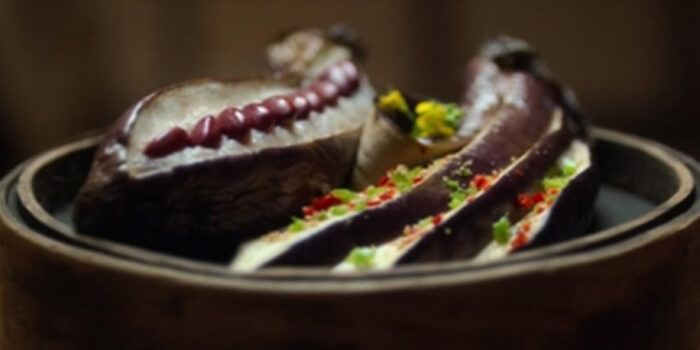
For anyone who wants to join the culinary conversation, the Netflix series Chef’s Table is essential viewing. The documentary series about the world’s most important chefs is now in its third season and, after and alongside all the Michelin razzmatazz, is also allowing other voices to be heard. Highlight: the chef who isn’t a chef—the South Korean Buddhist nun Jeong Kwan.

You can’t make a reservation with her. She has no Michelin stars and isn’t on the San Pellegrino top 50 list either. She usually cooks for just two other people and at festivals for village residents.
Temple food
Jeong Kwan is a Buddhist nun in a monastery somewhere in the mountains south of Seoul. She cooks temple food, dishes that monastery residents throughout Korea have been eating for thousands of years. As close to zero-waste as possible, strictly vegan, sustainable and everything we consider important today as well. But it has always been that way, without making a big fuss about it.
Nature is Kwan’s obvious guiding principle, including in her vegetable garden, which seamlessly merges into the bush. And from which she, as well as wild boars, insects and other mountain residents, all live.
Cooking is a loving act, orchestrated by nature.
Jeong Kwan lives, cooks and eats in total peaceful coexistence with nature, Buddha and her food. She lets herself be guided by it instead of subjecting it to her will or culinary vision. For her, cooking is a peaceful, loving act, orchestrated by nature itself. The ultimate expression of Buddhism: sharing, without ego, solely from a sense of community, love and care.
Meditation
For Jeong Kwan, cooking is meditation. Through food, she puts Buddhism into practice, even if it is usually only for two other nuns. And once for Michelin chef and Buddhist Erc Ripert of Le Bernardin in New York, who had tracked her down.
With time and attention as important ingredients, she makes kimchi and soy sauces that mature for years underground or in earthenware pots. Normally calm and deliberate, her eyes light up when she starts talking about soy sauce. To her, it is a sacred ingredient, without which cooking and eating are impossible.
Kwan’s eyes light up when she starts talking about soy sauce.
Sixty-year-old Jeong Kwan is a breath of fresh air among all the, in themselves very interesting but predominantly male, culinary egos that normally populate the Pellegrino list and this series. Egos that have had to fight, or are still fighting, against the incomprehension of their surroundings, family, kitchen staff, guests and critics regarding their creativity. Chefs who use ingredients as painters use materials, in the service of their chef’s vision.
Netflix
While the format of the Netflix series to which the chefs must submit is rather constricting, it has no hold over Jeong Kwan. A format in which life-changing experiences are served up against ominous backdrops and similarly ominous sounds, with plenty of drama and tears, to emphasize how the chef arrived at their current position through great struggle and opposition.
The Buddhist who, by her own account, possesses zero percent ego and is therefore completely free, manages to preserve her integrity and lovingly shape the programme to her own liking, rather than the other way around.
Divine
And that with such divine dishes as the result that, as a viewer, you immediately want to join her monastery and spend the rest of your life making nothing but soy sauce and kimchi. Not to mention the elegant lotus flower tea.
Chef’s Table, season III, Netflix.
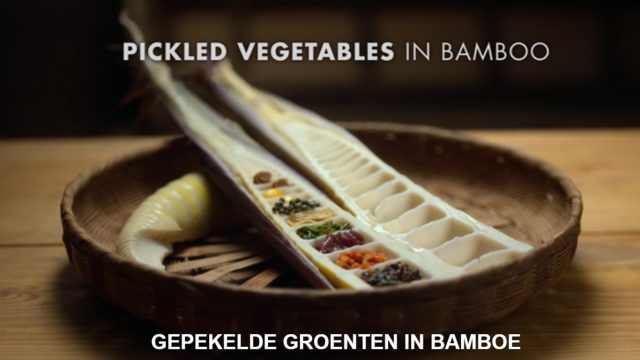
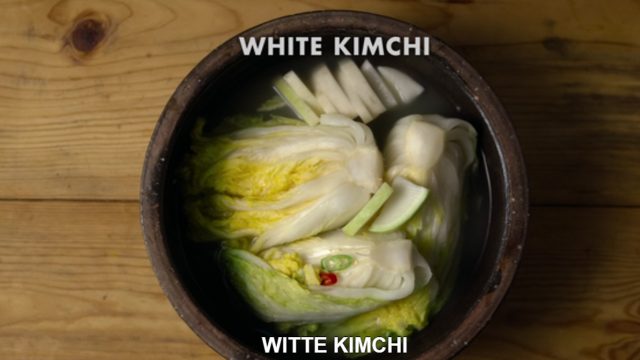
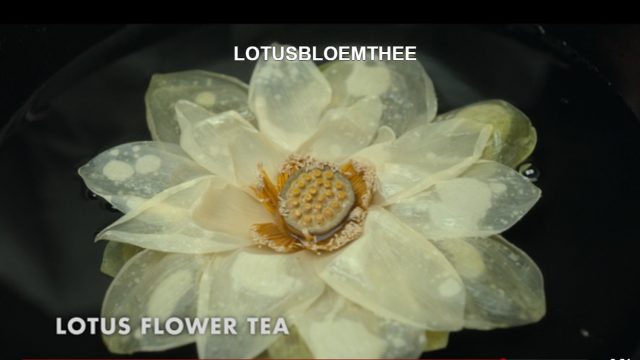
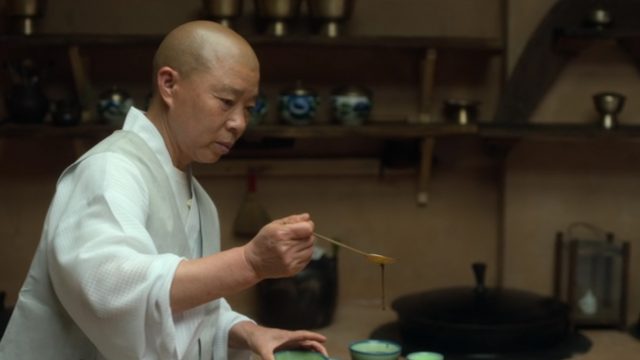
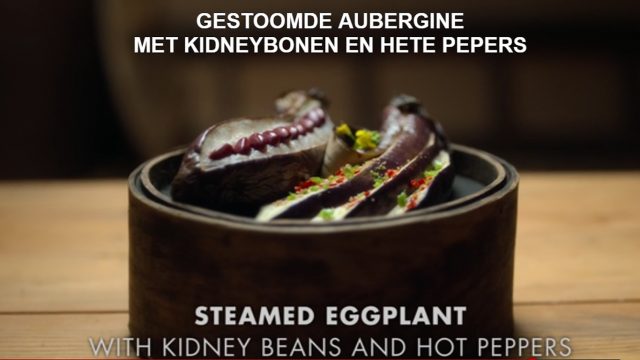
Image: Stills from Chef’s Table.


