



Bye-bye Foe yong hai: corner Chinese restaurants are disappearing
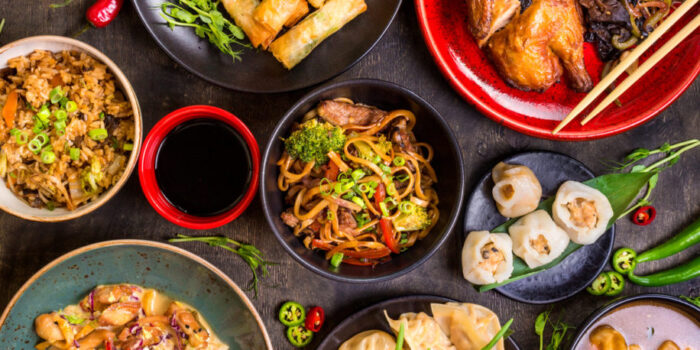
Slight panic here in the editorial office. Because more and more Chinese-Indonesian restaurants are disappearing. You know, the typical ‘Chinese wall restaurants’ that are often located on a strategic corner. Why? And above all: what now?

We previously wrote about the history of what was effectively the first affordable restaurant scene in the Netherlands. Dining out (previously something only the elite could imagine) became considerably more democratic thanks to the business-savvy Chinese hard workers in and around the Dutch ports, and from around 1920 this steadily spread across the country. In the 1970s, more than half of the Dutch population regularly went to ‘the Chinese’. But the decline is continuing, now heading towards 22 percent…
How come?
Young Chinese-Dutch entrepreneurs often no longer feel like slogging away for thirteen hours straight over a blazing giant wok. They seek their fortunes in other smart concepts (hi there, bubble tea bar!) or respond to the demand for healthier, lighter fare. Because the call for spicy Asian goodness remains, but often in a purer, fresher form. Noodle soups, dim sum, or a deliciously mouth-numbing Szechuan situation; we can’t get enough of it. And what about Asian fine dining, such as the recently opened Amber Garden.
Cultural phenomenon
As we say goodbye to one historic phenomenon, we are simultaneously welcoming another: never before have so many sunny Asian cuisines been so strongly represented in our—at the moment—dreary little country. Vietnamese, Korean and Thai cuisine, as well as purely Chinese or Indonesian: let’s eat allllllll the food!
Also read:
- We love the neighborhood Chinese restaurant
- Is this Chinese? Well, no
- Ode to the late-night Chinese restaurant


