


Chaos cooking is the latest food trend, and we welcome it with open arms
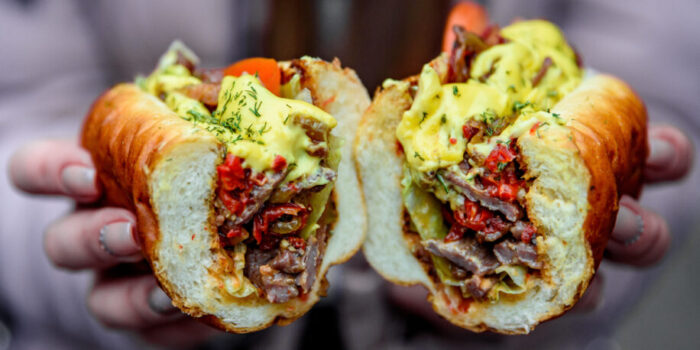
Many people are familiar with the term fusion cooking. Mixing different cuisines can lead to very happy combinations, such as the Japanese-Peruvian Nikkei cuisine. At the other end of the spectrum, you’ll find dishes like takeaway pizza topped with chicken tandoori, and what you think of that is entirely up to you, of course. But this latest trend seems to break with absolutely all the rules and assumptions about cooking…

There are also plenty of people who believe you should keep your experimental hands off certain dishes (read: a whole lot of angry Italians). They should stay well away from this new movement that is currently taking place and is known as chaos cooking.
With guts and joy
On the American food platform Eater, it is described expertly: several chefs of different ethnic backgrounds who are expected to cook dishes from the rich culture of their (grand)parents have absolutely no interest in doing so and boldly and enthusiastically create the most outrageous combinations. We recently saw a modest example of this from Rosheen Kaul and Joanna Hu. They were born in China but grew up in Australia. Instead of clinging to their parents’ culinary traditions or assimilating into Australia’s cuisine(s), they forged a new path and combine both cuisines. The new cookbook Chinese-ish is an ode to the fusion of the two cultures and offers a treasure trove of inauthentic dishes, such as this fried rice with mustard greens and olives.
Fusion doesn’t have to be fancy
What else should we think of when it comes to chaos cooking? Ravioli filled with cheeseburger filling, pepperoni pizza dumplings, popcorn with chorizo and queso topping, tostadas with sashimi – this all sounds rather festive to us. And above all: uninhibited, and therefore cheerful too. As long as it is well executed and delicious, anything goes—that’s the current feeling.
Melting pot
The chefs interviewed in the article say they do not want to be bound at all by the cuisine or cooking style expected of them simply because they happen to have an Indian, Japanese or Mexican background. Their wild creations have been warmly received. As Avish Naran of the ‘Indian sports bar’ Pijja Palace in Los Angeles says: ‘People who eat at our restaurant need to understand that we are cooking our life experiences, not our ethnicity.’
You can read the full article (highly recommended!) on Eater.com.
Also read:
- The popcorn hack that will change your life
- Recipe for Mexican fish tostadas like my American mother makes them
- Salsa macha: a Mexican cross between sambal and peanut sauce


