


Consumer Guide: the information on alcohol labels should be much more transparent
What do I know about the ‘nutritional values’ of the alcohol I drink? Erm, that ‘nutrition’ and ‘value’ may not be the right combination of terms in this case, and that I’m consuming a hell of a lot of calories with it, and that it really can’t be called healthy in the slightest. And as for those calories: my estimate of how many kcal a glass of wine (around 100 kcal) or a glass of beer (around 120) contains mainly dates back to the time when I leafed through my mother’s The Great Libelle Diet Cookbook (or something like that) once in the 1990s…

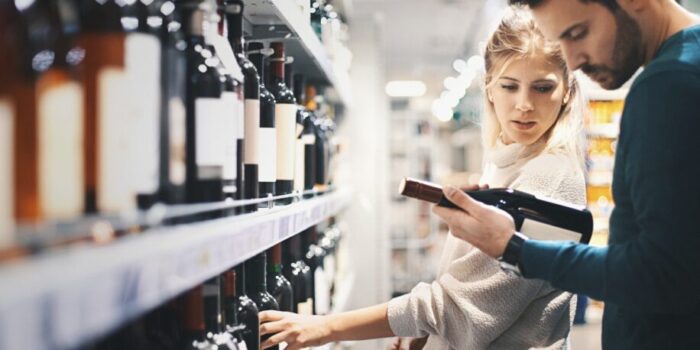
While it’s perfectly normal for virtually all food packaging—and that of non-alcoholic drinks you can buy in the supermarket—to state exactly what’s inside, this isn’t the case with alcohol at all (with the exception of beer). So what exactly is in wine, and how much sugar and fat does Baileys, for example, contain? Shrouded in mystery, as if you’re not supposed to think about it. Strange, right?
Tequila calories
The January issue of the Consumentengids features an article about the lack of transparency regarding exactly what additives and ‘empty’ calories are in a bottle of alcoholic drink. These are calories that only provide energy and contain no valuable nutrients such as vitamins or fibre. And it’s probably not as if you’ll be running off the calories from three shots of tequila tonight, so they’re genuinely completely useless.
Not quite so natural
Many wine producers would probably like you to believe that by drinking a glass of wine, you’re doing something rather ‘natural’. Something like: ‘grape, stomping, fermentation, barrel, bottle, glass, voilà—look at me drinking so close to nature.’ But according to wine research agency Meron, sugar is sometimes added after fermentation, and/or sorbic acid for a fresh, tart flavour, while wine expert Pepijn Boer says substances may also be added to deacidify wine.
With many other food products, this would have to be stated on the label, but the legislation means that drinks with an alcohol percentage above 1.2% do not need to include any additional information on the label apart from the alcohol percentage and the most common allergens (such as sulphite in wine).
Good job, beer
According to the Consumentengids, who are open about the information on the bottle or packaging and are therefore positive exceptions? Beer producers, and makers of hard seltzer. Baileys is transparent about processing aids, but states this on the bottle in German and Danish rather than Dutch. According to the guide, as well as the European consumer organisation BEUC, it is high time for comprehensive information to appear on all labels of alcoholic drinks.
Also read:
- Alcohol tips for those who want to be frugal (or simply think a little)
- The Netherlands’ first alcohol-free liquor store is in Haarlem
- Is it really so difficult to make a hard seltzer that actually tastes good?
Source: Consumentengids


