



Direct heat, indirect heat, a combo: what goes where on the barbecue?
The difference between direct and indirect heat, and knowing where to cook what on the barbecue, is the difference between perfect chicken drumsticks and charcoal on the outside, dark pink on the inside and food poisoning in your stomach. So pay attention and take notes: what do you cook over direct heat, what works better over indirect heat and when do you combine the two?

Direct heat: fish, steaks, sausages
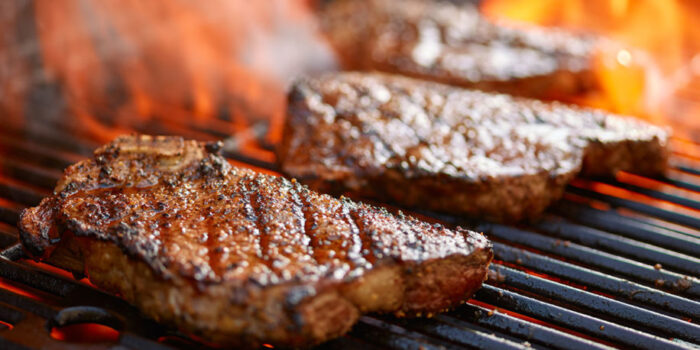
No higher mathematics involved: the direct-heat zone is the spot on the barbecue above the flames. The barbecue may not have been burning for very long yet, there are flames, there is fire, there is smoke—all those tough situations you handle coolly as a pit master. That heat creates beautiful grill marks on your meat, a deliciously crispy crust and quick cooking. Perfect for most fish and prawns—they’ll be cooked in no time. Beautiful steaks and burgers also do best over direct heat, because you want to keep them juicy and pink inside, while the outside develops a crispy crust and that divine smoky flavour. Sausages? Skewers? Throw them on.
Indirect heat: chicken, chops, parcels
The side of the barbecue, so not directly above the coals and flames, is considerably less hot. This is where you place meat that needs a little more time. Chicken and chops really need to be cooked all the way through, and that simply takes some time. A juicy beer-can chicken also doesn’t go above the flames, but in a sheltered spot. Let it cook gently for an hour, be patient, so it stays juicy inside while still becoming completely cooked through. Larger cuts of meat, such as a leg of lamb or a pork shoulder (for pulled pork!), also feel right at home when they don’t see any flames. And anything in a parcel, such as baked potatoes or bananas with pisang ambon, should be cooked at the side of the barbecue.
Direct and indirect heat
The best of both worlds: slow cooking over indirect heat and beautiful grill marks and a crunchy crust from direct heat. So first grill the chicken legs, then slide them over to the side. Grilling pineapple? Same story. Experiment this way with grilling and cooking vegetables too—chewing on half-cooked aubergine is no fun, and raw cabbage even less so—and you’ll have barbecuing completely under control.


