


Entrepreneurs are, to put it mildly, not happy with the new plastic rules
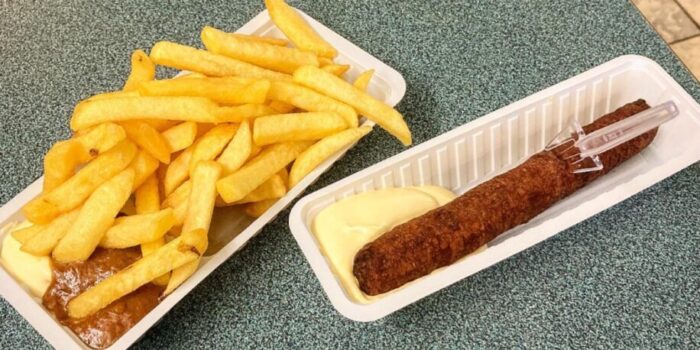
You’ve probably noticed: we’re now paying extra for disposable plastic packaging. On your receipt from the supermarket or snack bar, there should now be an amount for SUP, or Single Use Plastic. The idea is that this will reduce the use of plastic. But what do entrepreneurs actually think of the rule now that it has been in force for several months?

I’ll give you a spoiler: they’re not impressed. Hospitality trade magazine Misset Horeca spoke to several snack bar owners who have been dealing with the SUP surcharge for some time. ‘They were dreamed up in one of the back rooms in The Hague by a civil servant who has never been in a supermarket or snack bar,’ the article states. Clearly not a fan, then. But what exactly is the problem?
Alternatives to plastic
One of the main concerns being voiced is that there are still no alternatives that entrepreneurs are particularly happy with. Many snack bar owners think plastic containers simply ‘work really well’, especially during busy rush hours at the snack bar. Plastic slides easily and doesn’t buckle. But there’s also this: alternatives are simply much more expensive.
While plastic costs virtually nothing to purchase, cardboard containers cost around 30 cents each. Recyclable plastic is also extremely expensive. And small ‘deposit pans’ are completely unaffordable. Mathies Soons of Happy Frites in Ransdaal told Misset Horeca that he saw 12 of them at a wholesaler for €50. And, Nick van der Linden of Het Oude Raedthuys in Cothen told Misset Horeca, ‘what do I do about returning the deposit if there’s a dent in the pan when it’s brought back?’
Your own container
What if customers go old-school and bring their own container or pan? According to the entrepreneurs, that isn’t in line with hygiene regulations. Who knows what has been in those pans and how well—or rather, how badly—they’ve been cleaned? The entrepreneurs certainly aren’t going to wash them themselves before putting the snacks in. Understandably so. So you’d better leave your soup pan at home when you pick up your weekly order from your favorite snack bar.
Solutions
There are some solutions here and there. Many entrepreneurs still have a substantial stock of plastic containers, which they intend to use up completely this year. The reason: next year, the use of single-use plastic will be banned. They charge the SUP surcharge for that plastic, which is clearly listed on the receipt. Van der Linden now also uses long wooden forks. He’s quite happy with those. Soons uses foam containers for some dishes. They’re affordable and do their job reasonably well. The problem: they’re already no longer available. Inside his snack bar, he uses ceramic plates and aluminum cutlery. At a snack bar in Maastricht, he also saw cone-shaped paper bags, which are folded closed once the fries and sauce are inside. He thinks it’s a great idea, but it isn’t feasible for him. Especially not when his business is incredibly busy.
Sugarcane containers
And then there are sugarcane containers. Stan Ophorst of Ophorst snack bar in Sprang-Capelle has been using them for four years. The entrepreneur is quite enthusiastic about them. According to him, the containers stay hot for a long time—longer than foam containers, for example—and they keep floating when they fall into the frying fat. Their quality has also improved considerably in recent years. They used to contain PFAS, but no longer. Positive developments, then, although he is also genuinely annoyed by the many myths circulating about the SUP surcharge. For example, the claim that entrepreneurs profit from it. According to him, that is simply not true.
Single-use plastic
What the entrepreneurs also have in common is that they are worried about the new law banning the use of single-use plastic. What will happen then? Will better alternatives to plastic be available on the market? One thing is certain: they believe the current plastic rules do not contribute to a solution. ‘It doesn’t reduce consumption, while we do have to charge our customers for it,’ Soons told Misset Horeca. Ophorst told Misset Horeca that he sometimes asks his customers what they do with the used plastic containers and cups. ‘Throw them away,’ is invariably the answer. ‘A typical example of shifting the problem elsewhere.’
Also read:
- The plastic surcharge: here’s how it works in supermarkets
- Can we please stop with those little wooden spoons?
- McDonald’s is doing something with the spoons and straws, and customers are not amused
Source: Misset Horeca


