



Hit by Corona: Chinatowns Around the World Are Suffering Enormously
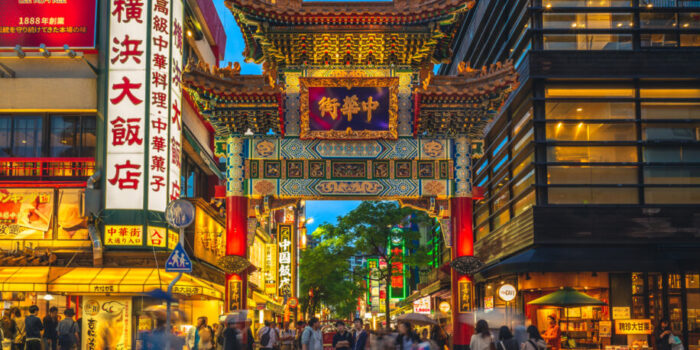
In many major cities around the world, you’ll find one: Chinatown. Colorful neighborhoods with exciting foods in the shop windows, delicious aromas everywhere, and the best selection of mysterious goodies from the grocery store to take home as loot. Like so many other entrepreneurs and businesses, these culturally rich neighborhoods are being hit extremely hard by the pandemic, write the weekly magazine Knack and the Thomson Reuters Foundation.

When I traveled through Cuba backpacking in the previous century (yep), with Havana as my final destination, I ate virtually nothing but rice with beans (and sometimes a scrawny chicken leg) almost every day for three weeks. To be honest, I was sick to death of the food. But on the day we reached Havana, a dreamlike vision suddenly appeared in the heat, as if it were a mirage, right in the middle of the city: a distinctive pagoda-like red gate. It wasn’t a mirage. It was real, and I almost cried: this was Chinatown, and I was going to eat noodles and soy sauce. I didn’t care what else came with it. And it is precisely this cultural heritage that is now at risk of disappearing worldwide…
Unhappy New Year
Not long ago, it was Chinese New Year. Normally a huge food celebration, when people come together and eat symbolic dishes for the new year, bought from countless local shops and wholesalers. In New York, for example, one of those iconic stores is Pearl River Mart, founded fifty years ago by Joanne Kwong’s in-laws—and now, of all times, forced to close the doors of its flagship store permanently. Kwong sees a parallel with similar shops and restaurants in Chinatowns worldwide.
“The income no longer covers all the costs we have to pay, which have piled up over the past thirteen months… This situation is not going to change. Many of us will not make it, and that is terrifying,” says Kwong. Nevertheless, she trusts that their business will survive the pandemic thanks to downsizing, its expanded and revamped online offering, and its brand recognition.
Lose-lose
Paul Ong, an economist at UCLA, says that Chinatowns around the world are indeed having a very hard time. These are entire neighborhoods or districts where as many as one in five businesses may have to close their doors permanently. This is partly due to outdated retail systems, little or no online presence, and how difficult it is for the older generation to navigate the maze of government-support applications. On top of that, there may also be xenophobia from fellow city residents: the fact that the possible origin of the COVID-19 virus evokes associations with China certainly doesn’t help. Visitor numbers had already fallen sharply even before the various lockdowns.
Protect the diversity in your city
Freya Aitken-Turff is the head of China Exchange, a Chinese cultural organization in London’s Chinatown. According to her, “the area’s history and heritage have barely been formally documented. Once those businesses have disappeared and those families can no longer support themselves, those stories will be lost… there is a danger that the cultural legacy of these enclaves will disappear.” And according to Ong, “the city as a whole only becomes poorer if we lose cultural diversity and diversity in lifestyles.”
Millennials to the rescue
Meanwhile, various initiatives have been launched, often by young volunteers from the East Asian diaspora, using social media campaigns to ask for support. For example, by calling on people to visit a shop or pick up a takeaway meal and thus stimulate the economy. They also help the entrepreneurs and owners of Chinese restaurants use social media and develop delivery or takeaway apps. “Many young Asians owe their success today to the hard work of these people and the risks they took in the past,” says Louise Palmer, a volunteer with the Send Chinatown Love initiative.
And just as we want to support all affected entrepreneurs during these awful past months—all those businesses painfully forced to remain closed time and again—we also want to express our sincere support here. If you have the opportunity to visit Amsterdam’s Zeedijk and Nieuwmarkt neighborhoods, please do, and pick up as much takeaway as your hands can carry!
Also read:
- Is this Chinese? Well, no
- This ingredient makes every dish taste authentically Chinese
- All the things you can do with Sichuan pepper
Sources: Knack, Thomas Reuters Foundation


