


Hot on TikTok: the lion diet (but whether it’s actually good for you…)
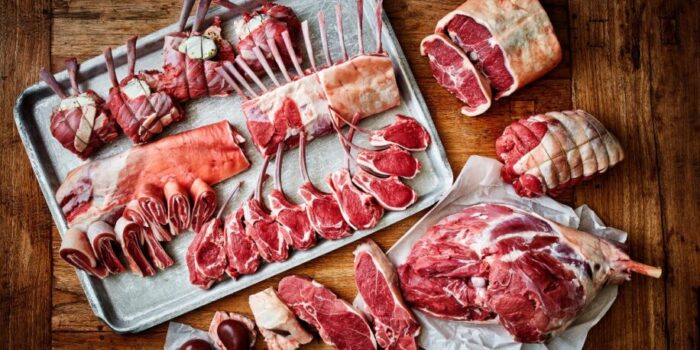
Nowadays we’re expected to eat less meat. So fewer meatballs, hamburgers, steaks and sticky spareribs. Yet a diet is doing the rounds on TikTok that is practically the opposite of the pro-vegetarian trend: the lion diet.

And no, you don’t need to take out a subscription to Artis or book a one-way ticket to South Africa for it.
What is the lion diet?
The lion diet is pretty intense. It’s an extreme version of a carnivore diet. For 30 days, you eat nothing but meat; so no vegetables or fruit. The meat you eat should preferably be red, too. So beef, pork, lamb, mutton and horse meat can all be eaten.
@theliondietWhat I Eat in a Day on the Lion Diet♬ original sound – The Lion Diet
Should you do it?
The lion diet is a diet that gives you an extremely high protein intake. Red meat is a source of protein, after all. Some researchers claim that a carnivore diet (such as the lion diet) ensures you get all the nutrients you need, but some in lower concentrations. For example, it is recommended that you take extra calcium and vitamin C if you decide to follow the lion diet.
Or maybe not?
Sounds appealing? Meh, not for everyone. Climate activists are absolutely up in arms about it. And for your health? Thirty days is too short to have much of a physical impact. But if you eat a lot of meat—and only (red) meat—for a long time, it really does seem like an unhealthy choice. Boring as hell too, not to mention unfriendly to animals.
Conclusion
We (and many health experts along with us) recommend skipping this TikTok trend for now. Can you really not live without your favourite chicken satay or crunchy pork belly? Go your gang. But make sure to eat some vegetables with it, too.
Also read:
- Steakhouse Loetje launches plant-based steak: Loetjes Biefstuk Bali 0.0
- Students make a vegan bitterbal that is unbelievably delicious (and makes the world a tiny bit better)
- Huh?! ‘Ordinary’ croquette at Blijdorp turns out to have been vegetarian for three years
Source: EOS Wetenschap


