



Oral Allergy Syndrome (OAS): what is it and how can you prevent it?
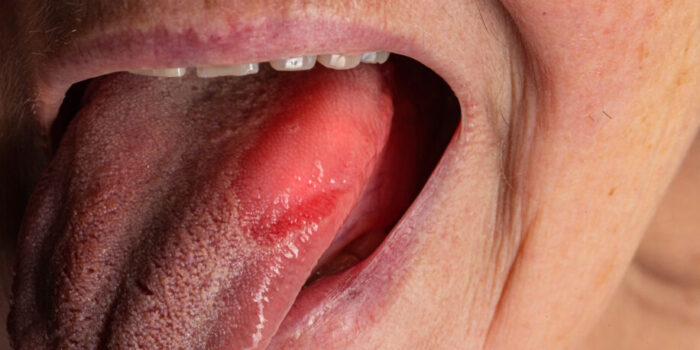
Do you get an itchy mouth after eating kiwi or a tickle in your throat after eating an apple? Or do you get a tingling tongue when you eat pineapple and blisters in your mouth from a piece of tomato or hazelnut? There’s a good chance you’re dealing with Oral Allergy Syndrome (OAS), also known as Pollen-Food Syndrome. Annoying, but why do you get these reactions and what can you do about them?

What is Oral Allergy Syndrome (OAS)?
Oral Allergy Syndrome occurs when your body has allergic reactions to certain vegetables, fruits or nuts that contain proteins with a molecular structure similar to that of tree pollen, such as birch, hazel or alder pollen. This means that your immune system, which is already hypersensitive to pollen, also kicks into action when you eat certain foods containing related proteins. This causes the mild allergic reactions typical of OAS, such as itching, tingling or even slight swelling in your mouth and throat.
Symptoms of Oral Allergy Syndrome
OAS can manifest itself in different ways, but the most common symptoms are:
Itching or a burning sensation in your mouth, lips or throat.
Tingling or a prickling sensation in your tongue.
Slight swelling of your lips, mouth or throat.
Throat irritation, which may make you cough.
What causes Oral Allergy Syndrome?
The origin of OAS is therefore often a hay fever allergy. When your immune system reacts to tree pollen (or, in some cases, grass or weed pollen), it can also react to foods containing proteins that resemble the pollen. Common foods that cause OAS symptoms include apples, pears, peaches, nectarines, apricots, cherries, kiwi, tomatoes, cucumber, hazelnuts, almonds and cashews.
How OAS develops
OAS often develops at some point during your life, after you have been exposed to certain pollen for a long time. Around 15–30% of people with hay fever caused by tree pollen also develop food allergies over time. Yes, you get hit twice. First by those miserable pollen grains, and then by OAS. Sometimes life just isn’t fair.
What can you do about this allergy?
But don’t immediately go cry in a corner. Fortunately, most OAS symptoms are mild and often disappear within an hour. That’s not to say they can’t be pretty annoying. The only way to prevent these irritating symptoms is to avoid the foods that trigger them. This may mean avoiding certain fruits, vegetables or nuts in their raw form.
You can eat apple pie, but not a raw apple
Many people with OAS have no problems with processed or heated versions of certain foods. This is because the proteins in these foods change when heated, making them less likely to trigger an allergic reaction. A silver lining, then, if you have no problem eating apple pie but do react to a raw apple.
Treating OAS
Unfortunately, there is no cure for OAS, but fortunately you can keep the symptoms under control:
Avoid foods that trigger symptoms. If you know which foods cause your symptoms, it is best to avoid them.
Use antihistamines (such as hay fever tablets) to relieve the symptoms more quickly.
Heat the fruit or vegetables. As mentioned earlier, heating can neutralise the allergens in food, so you may experience fewer symptoms.
Get the correct diagnosis: It is important to know whether you are dealing with OAS or another allergy. Consult a doctor for the right tests and treatments.
Should you be worried?
Are you a worrier? Then you probably already are. But there’s no need. Oral Allergy Syndrome can be annoying, but with a little knowledge and preparation, you can easily keep the symptoms under control. Pay attention to which foods you eat, heat certain foods if necessary, eat apple pie more often and, if needed, consult a doctor about the best treatment options. Not so bad, right?
Read also:


