


Pandan or jasmine rice? Here’s how it works
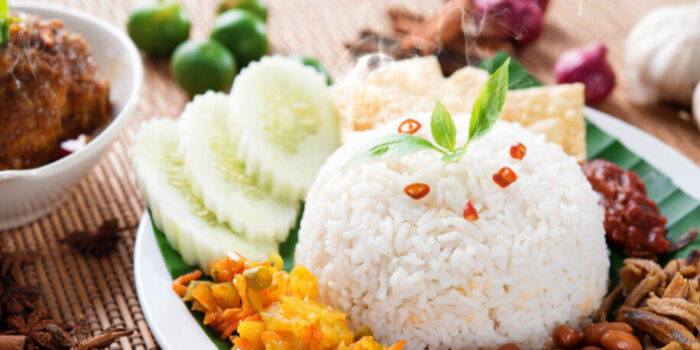
Whether it’s my Asian background or not: a bowl of fragrant steamed white rice makes me incredibly happy. As the basis for a meal with, for example, tofu, chicken or fish, deliciously crisp-tender vegetables, and, if you ask me, a different hot sauce every day of the week. Jasmine rice is a big favorite—what about you? And do you ever wonder what the difference is between it and pandan rice, which you also come across in the supermarket?

Both have a distinctive aroma, one that—with a healthy dose of imagination—immediately makes you think of the tropics. But there is something else to say about pandan rice that not many people know.
One kind isn’t a variety
It isn’t actually a type of rice. Not in the way that basmati is, or arborio (for risotto). And jasmine rice isn’t inherently a variety of aromatic rice from Southeast Asia either. So how does it work?
Fragrant types
Jasmine rice gets its name from the white color of the polished grain: it is reminiscent of white jasmine blossoms. In everyday speech, it soon became known as jasmine rice, and what makes it so special is its distinctive aroma. That aroma is caused by the fact that this rice plant produces the active substance and aromatic compound 2-acetyl-1-pyrroline. And this exact compound is also found in the leaves of the pandan, or Pandanus, plant.
Aroma coming your way
This means that the leaves of the pandan plant can also be used to flavor ‘ordinary’ rice, which is how pandan rice is made—by giving other rice that recognizable aroma with the scent/extract of pandan leaves. It is the same aroma that jasmine rice naturally has. Sometimes pandan rice is also a mix of lower-quality jasmine rice combined with ordinary rice.
So, you’ll be well prepared when you head to the supermarket, or of course to one of the many well-stocked Asian grocery stores around the country!
Read also:
- Man tests all the weird rice suggestions and gives them a score
- Get even more out of your rice cooker with these tips
- Which rice goes with which dish?
Source: Wikipedia, Kokswereld


