



Planes that ‘fly sustainably on cooking oil (SAF)’: pure deception
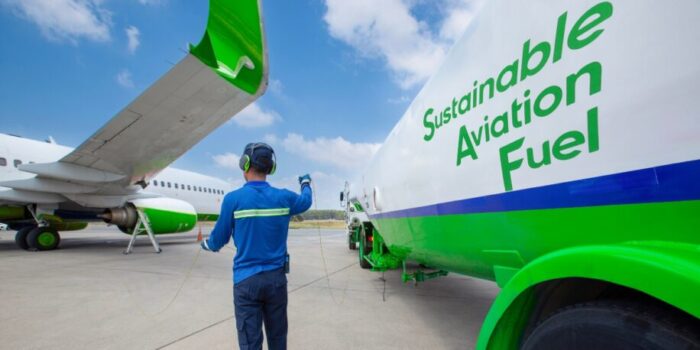
When you think of cooking oil, you probably think of a bubbling deep fryer with a few frikandellen floating in it. But did you know that this stuff is also used as a sustainable fuel in transport? You see this, for example, with trains, but also with planes. In the latter sector, however, some rather misleading claims are being made about the subject.

Flying is one of the most polluting ways to travel. Just like cruising, it simply isn’t really sustainable. Planes mainly run on kerosene, which emits an incredible amount of harmful substances. ‘An incredible amount’ is still an understatement when you consider that the aviation industry uses 1 billion (!) litres of kerosene every day.
Sustainable Aviation Fuel
But planes do fly on cooking oil, we wrote in the intro, right? Well… It depends on how you look at it. First of all, in this case we should talk about SAF: Sustainable Aviation Fuel. SAF is made from residual products. Cooking oil is popular, but palm oil, soybeans and corn are also often used. The fact that SAF is made from residual products is, of course, a wonderfully sustainable idea. Used products are given a second life this way. It makes sense, then, that airlines using SAF as fuel are happy to show it off.
The truth about airlines and SAF
But yes… To what extent do they actually use it? In reality, we are talking about not even 1% SAF! A drop of biofuel in a huge tank full of kerosene. Meanwhile, airlines make all kinds of sustainability claims on their websites. Transavia has already been reprimanded – Radar made a video about it – because it claimed to be ”one of the first budget airlines to use the sustainable fuel Sustainable Aviation Fuel (SAF), meaning we emit at least 75% less CO2 than an aircraft flying on kerosene”. The exact amount of SAF was not previously stated. Transavia now does report it: they replace a mere 0.9% of their fuel with SAF.
KLM was previously taken to court by the Fossielvrij NL foundation. The reason? Its ‘Fly Responsibly’ campaign, in which the airline made ”misleading and unlawful claims”. The court’s ruling is clear: ”In these advertisements, KLM makes environmental claims based on vague and general statements about environmental benefits and thereby misleads consumers. In other communications, KLM paints an overly rosy picture of the consequences of measures such as Sustainable Aviation Fuels (made from renewable raw materials) and reforestation.
These measures reduce the negative environmental impacts only marginally and wrongly create the impression that flying with KLM is sustainable.” A prime example of greenwashing. KLM eventually – rightly so – stopped the campaign.
SAF and the future
Why aren’t airlines using more SAF (yet)? Because SAF is currently available only in limited quantities and is considerably more expensive than kerosene. Some airlines, such as Transavia, ask their customers for a financial contribution with which they can purchase SAF.
The European target is for 70% of an aircraft’s total fuel to consist of SAF by 2050. An extremely ambitious goal, and it remains to be seen whether it will be achieved – especially when you keep that 1 billion litres of kerosene in mind. And bear in mind that SAF is even more expensive.
Also read:
- Common deep-frying mistakes
- PLUS must stop making sustainability claims: terms are too vague
- 5 simple tips for sustainable cooking
Source: Radar/AVROTROS


