



Ramen: the different types explained
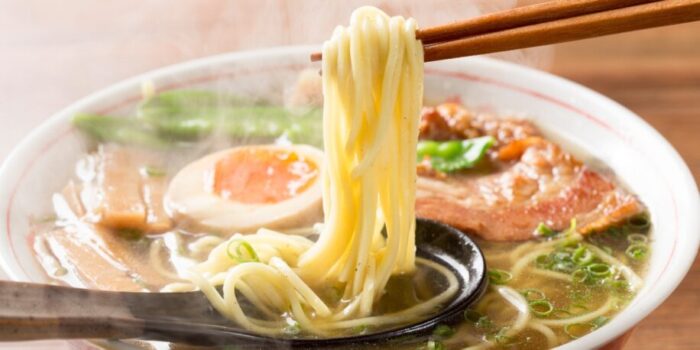
If we could only eat one type of noodle soup for the rest of our lives, we’d choose Japanese ramen. The rich broth combined with chewy noodles, fatty pork and a perfectly cooked egg is impossible to beat. But what types can you choose from?

No restaurant makes its ramen the same way, so there are endless variations. Broth made from pork and chicken, chicken only or vegetarian, and you can go in any direction with the other ingredients too. So you may well come across a bowl of ramen that doesn’t fit into one of these categories. These are the four main types, known to every Japanese person.
Shio
Shio is Japanese for salt, and this broth is therefore seasoned with salt. It is a light and clear broth made from chicken, vegetables, fish and seaweed. Sometimes pork bones are used too, but they are never as prominent as in, for example, tonkotsu. But we’ll come back to that later.
Shoyu
Shoyu is Japanese soy sauce and is especially popular in central Japan for seasoning ramen. Shoyu ramen is a little more robust than the shio variety, because more pork or beef bones are used to flavor the broth.
https://www.instagram.com/p/9YhbByGUGt/
Miso
Miso is the youngest type of ramen and only became popular in the 1960s. Miso is a paste made from fermented soybeans, a real umami bomb. Miso ramen originated in the north of Hokkaido in Japan, where the cold weather calls for hearty and powerful soup. It is often served with robust toppings such as roasted corn or fried pork belly.
Tonkotsu
The ramen for anyone who is crazy about pork. The broth is made from a large amount of pork bones, which makes it very thick and gelatinous. To top it all off, tiny cubes of pork fat are stirred in at the end. We’ve never managed to finish an entire bowl, but it is absolutely delicious.
Eating out
Now you’re definitely craving a large bowl of steaming ramen, right? We get it. In Amsterdam, you can go to Takumi, Fow Fow Ramen, Vatten or Ramen-Ya, while SET has locations in The Hague, Rotterdam and Arnhem.
Also read:


