



Should you wash chicken before preparing it?
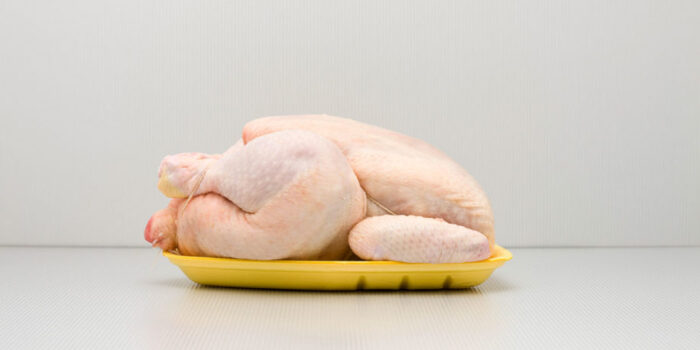
Before frying chicken breasts or chicken legs, rinse them under the tap first and pat them dry with kitchen paper. That’s something many people learn at home. But is rinsing chicken actually such a good idea? Short answer: no.

Chicken can be contaminated with campylobacter and salmonella, both bacteria that can cause serious food poisoning . Gross! By rinsing the chicken under the tap, sometimes even scrubbing it, you might think you’re washing this filth away. It sounds logical, but it’s actually a bad idea.
Chicken splashes
When you rinse chicken under the tap, droplets of that liquid, along with the bacteria, end up all over your kitchen. Tiny droplets splash onto the countertop, kitchen cabinets and tiles. You then clean it with a dishcloth, which ends up festering on the countertop again… and so on. What’s more, the bacteria cling so firmly to the chicken that even scrubbing wouldn’t remove them. Washing it with vinegar, as is customary in, for example, Surinamese cuisine, doesn’t help either.
Cook it thoroughly!
No, experts advise not rinsing the chicken but cooking it thoroughly instead. So no chicken sashimi , but chicken that reaches at least 75 degrees throughout. If you’re unsure, you can use a meat thermometer. Extra bonus: a crispy brown crust. Chicken that you rinse beforehand can no longer be browned as deliciously, even if you pat it completely dry.
Put it in the bin
And what about the packaging you bought the chicken in? Sometimes it contains liquid that has dripped from the chicken. There’s a good chance that it contains bacteria too. Experts advise not rinsing that packaging under the tap either, because you then also risk spraying bacteria around your kitchen. Fold the packaging closed and throw it in the bin—that’s best.
Wash the cutting board with soapy water
Also watch out for cross-contamination: the cutting board you used to cut the chicken breast on must be washed thoroughly after use before you start cutting tomatoes on it. Cross-contamination is a common cause of food poisoning in the home kitchen.
Also read:
- Recipe: easy spicy chicken satay
- The tip for silky-soft chicken
- The hack for removing those white stringy bits from chicken breast
Source: HuffPost


