


Shrinkflation: this is how you get seriously ripped off at the supermarket
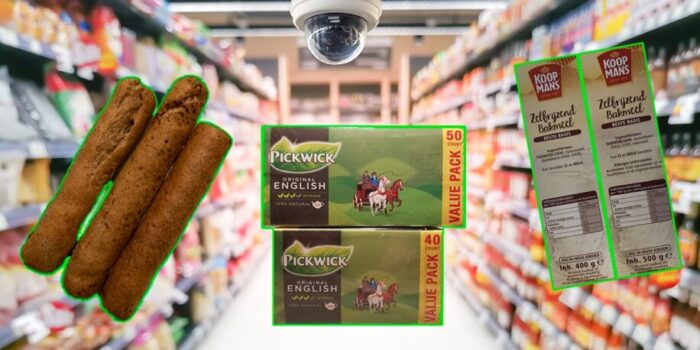
Brands regularly adjust the packaging of their products, and they often make a big announcement about it too. What they fail to mention, however, is that the package also contains 100 grams less product. This is an example of so-called shrinkflation. The word says it all: it is a contraction of shrinkage and inflation. In short, you pay much more for less. Radar investigated shrinkflation, and the results are not good.

It is not a new phenomenon; manufacturers mislead us more often, with golden wind eggs, for example. But shrinkflation is different from a golden wind egg. Whether it concerns meat that used to be sold per kilo and now per 700 grams, or ontbijtkoek that suddenly leaves an awful lot of room in its original packaging: shrinkflation is a hidden price increase. Sometimes it may seem as though something has become cheaper, but that lower price is often not proportional to the reduction in contents. You can actually assume that the price of a product in new packaging will always stay the same or increase (even if it does not initially appear that way.)
Why shrinkflation?
A price increase is no fun for anyone, and manufacturers know that too. That is why they will do everything they can to make sure you do not notice. As a consumer, you are more likely to notice a bottle of shampoo becoming one euro more expensive than noticing that there is just a little less in the bottle. They want to prevent you from suddenly switching to competitors’ products, so they opt for a form of shrinkflation. A price increase may be caused by more expensive raw materials, inflation adjustment, or an desire to increase profit margins.
The proof
There are countless examples of shrinkflation to be found in supermarkets. These are some of the most bizarre examples encountered by the 25,902 respondents in Radar‘s survey.
-
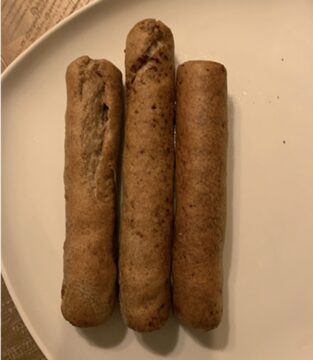
- De frikandellen schijnen te krimpen.
-
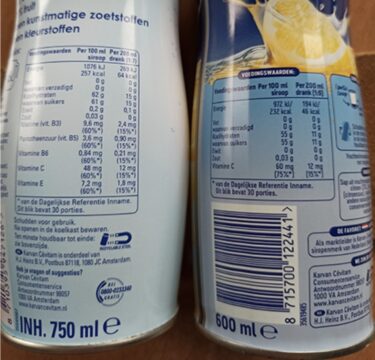

- Volgens de verpakking nog steeds 30 porties. Opvallend dat er in die porties minder suiker, vitamines en calorieën zitten.
-
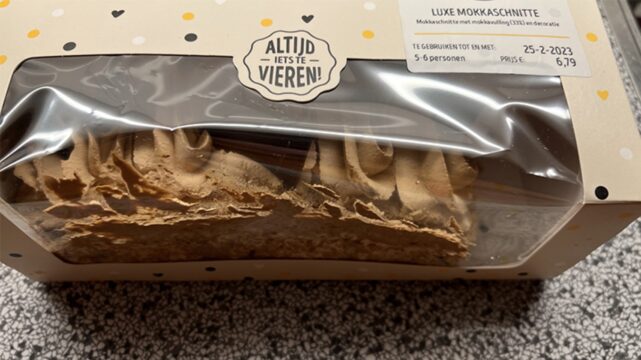

- Deze verpakking was vroeger helemaal vol.
-
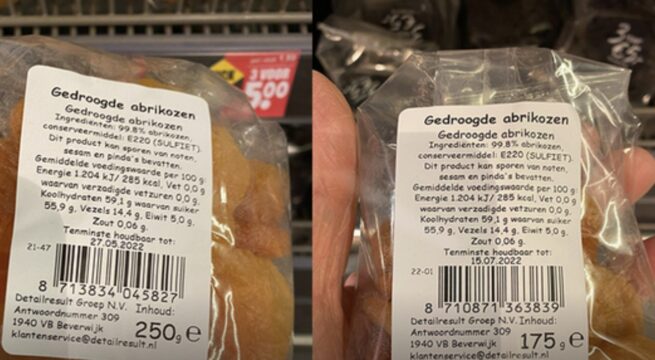

- De prijs is hetzelfde gebleven, de inhoud niet.
-
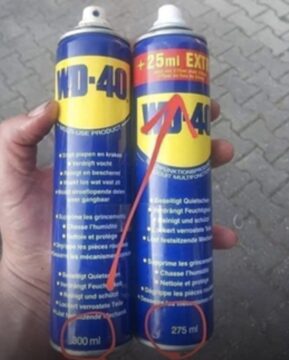

- Dit lijkt toch echt 25% minder, niet meer.
-
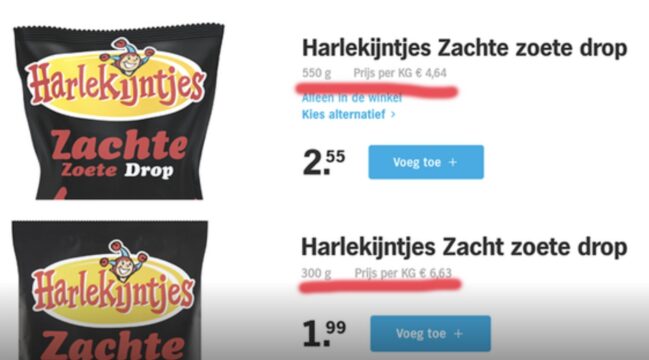

- Dit is eigenlijk een gigantische prijsstijging.
-
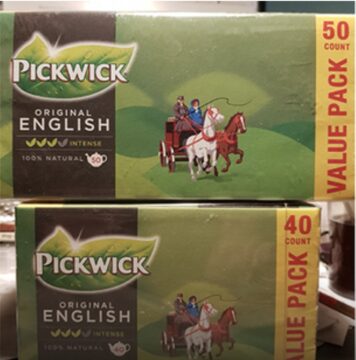

- Die voordeel verpakkingen worden steeds kleiner.
What weird, lousy or downright outrageous examples of shrinkflation have you come across yourself? We would love to hear from you!
Read also:
- 6 things you should not skimp on
- Breakfast like a king? According to this professor, you might as well skip it
- 7 things that are ridiculously cheap at the supermarket
Source & image: Radar


