



These Dramatic Tax Measures Will Make Groceries Much More Expensive
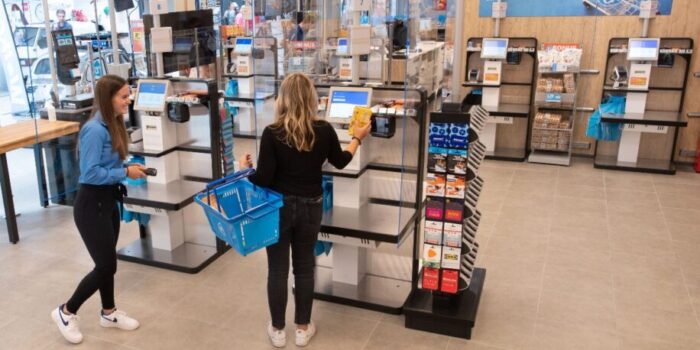
Eye-wateringly expensive groceries: it’s enough to make you desperate. And furious, too. For example, knowing that many large companies are profiting handsomely from this. And at least as alarming are the (130!) tax measures proposed by Minister of Finance Sigrid Kaag.

I had to file my tax return, had forgotten my DigiD password (yet again), and suddenly the step to the Ministry of Finance website was easily taken. Yes, people, I’d rather be sitting in a cocktail bar too—especially after reading the 2023 Tax Measures List (‘I’ll have a triple whisky, please—and no ice’).
Because I can only conclude that this is truly dramatic.
Repaying enormous coronavirus expenses
Those proposed tax measures don’t completely surprise me, by the way. This year, for example, the Netherlands is making another €2.5 billion available for support for Ukraine, and then there are the gigantic expenses for coronavirus measures—from 2020 through 2022, plus the expected expenses for 2023, this amounts to a dizzying €82.9 billion. Take three guesses about how and by whom that will have to be paid back.
Dramatic tax measures
Political parties can use the various proposed tax measures when drawing up their election platforms. There are 130 in total, and they will not all be introduced at the same time—or at all—but one thing is certain: they will affect you. Including when you do your grocery shopping. Read on…
Meat tax
The introduction of a consumption tax on meat is something that has been discussed for some time. The taxable party is the seller to the end consumer, for both Dutch and foreign meat. Should this measure go ahead, you’ll pay extra for your steak at the butcher’s and your favorite pepperoni pizza. Because obviously, the levy will be passed on to the customer. Slaughtering your own chickens, then? Meh, with the proposed tax on keeping ‘production animals’ such as cattle, pigs, and chickens, that won’t be worth the effort either.
Fruit and vegetables will get more expensive too
Then perhaps eat only greens? Healthy, certainly, but financially attractive? Not at all. You’d think it was high time to remove VAT from fruit and vegetables, but no. In fact, the likelihood that fruit and vegetables will only become more expensive is very high. This is due to various measures, such as the tax on fertilizer, the introduction of an emissions tax on horticulture, and the abolition of the reduced energy tax rate for greenhouse horticulture.
Everything up to 21% VAT
No more meat, nor fruit and vegetables—and even then you’re financially screwed. With the abolition of the reduced VAT rate, the standard VAT rate of 21% will apply to foodstuffs and non-alcoholic beverages (including drinking water), instead of the reduced rate of 9%. Abolishing it would generate structural revenue of €9.172 billion from 2025 onward if this measure came into force on January 1, 2025. Great for the treasury, but pretty sickening news for residents of the Netherlands. It’s also a shame that the reduced 9% VAT rate for medicines could simply rise to 21% as well—this too is proposed in the 2023 Tax Measures List.
Alcohol excise duty to rise
I understand if you’re now thinking: bring me that triple whisky. Go on, then. Because it’s about to become much more expensive too—and once again, there’s a tax measure for that: increasing excise duty on alcohol (and alcoholic products) by 10%. This applies to all types of excise goods subject to alcohol excise duty: beer, wine, sherry, port, spirits/distilled drinks, and mixed drinks. Then brew your own beer? Think twice, because the reduced excise duty rate for small breweries could also simply be abolished.
It doesn’t get any better than this.
Also read:
- In this province, frikandellen are the cheapest (and the most expensive!)
- The dark secret behind Kopi Luwak, the world’s most expensive coffee
- Want to shop for groceries cheaply? Head to Belgium
Image: Albert Heijn, source: Ministry of Finance


