


This Is What Happens to Our Rejected Food
We already knew that we throw away far too much food. A quarter of all food produced in the Netherlands is still wasted. These days, less and less ends up in my bin, and leftovers are carefully stored. But where does all that wasted food actually end up?

Households aren’t the only ones working to ensure that less food is thrown away; restaurants, hotels and supermarkets are also doing their part. Initiatives such as Too Good To Go help businesses reduce food waste and generate revenue from leftover food. Yet there is still another side to the story. Documentary filmmaker and photographer Kadir van Lohuizen shows what happens to our leftover food.
Our Rejected Food
The vast majority of food thrown away at home ends up in an incinerator. Some of the food from the hospitality industry and supermarkets is turned into biogas. Many livestock farms collect the remaining rejected products, but most wasted food comes from food producers.
Energy Drinks for Cows
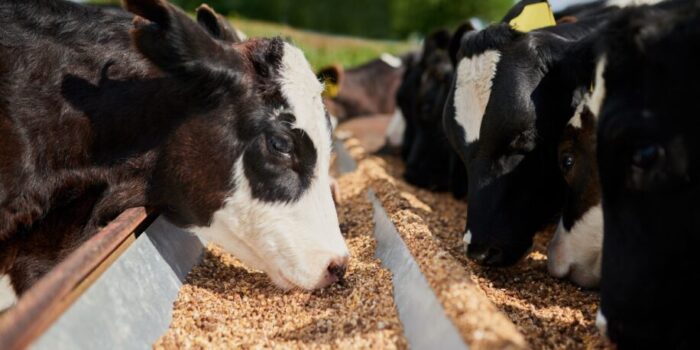
The food collected by livestock farms is then used to feed tens of thousands of pigs, chickens and cows. Van Lohuizen shows that rejected stroopwafels, wine gums, cream cakes and doughnuts all end up as animal feed. The mountains of sweets are even processed into a thick sludge, put into bottles and fed to livestock as ‘energy drinks for cows’.
But the question is whether all of this is actually healthy for cows. According to the Dutch Dairy Organisation (NZO), very high quality standards apply to compound feed to prevent unwanted substances from ending up in the feed—and therefore also affecting the quality of a glass of milk. In addition, the cow has by now become so accustomed to the diet it currently receives that changing it is difficult, according to The Daily Milk (an editorial platform focused on milk and dairy).
Challenge
Still, it is unsettling to see that so much food continues to be wasted and that our cows subsequently eat it. Although things are therefore moving in the right direction in households, achieving the goal of halving food waste by 2030 remains a major challenge. Curious about the full documentary De voedsel bv? You can watch it online here.
Also read:
- Why we’re fans of Lidl’s ‘don’t waste me’ fruit and vegetable bag
- This farmer has a thousand kilos of green beans left over—and you can pick them up for free
- Honestly: you can still eat all these products long after their best-before date


