


This is what we ate in the 2000s, part one
Willem-Alexander and Máxima say yes, the first iPhones hit the Apple Store, Dennis van der Geest becomes world judo champion, and we eat popcorn out of a wooden clog, egg cakes to stay slim, and drink a Tall Blonde Flat White for the first time. In other words: what did the 2000s bring us in culinary terms?

It’s foamy
A delightful dollop of whipped cream on a slice of apple pie is timeless, of course, but foam in other flavors is truly an invention of the 2000s. Star chef Ferran Adrià gets it started, and no one can blame him for that. But before long, it seems as if every chef, from pancake farm to casual eatery and from bistro to home restaurant, is decorating plates with a dollop from a cream whipper. Pea foam (bright green), smoked eel foam (pretty fishy) and bergamot foam (shaving cream): classic 2000s.
Tile, clog, mousetrap
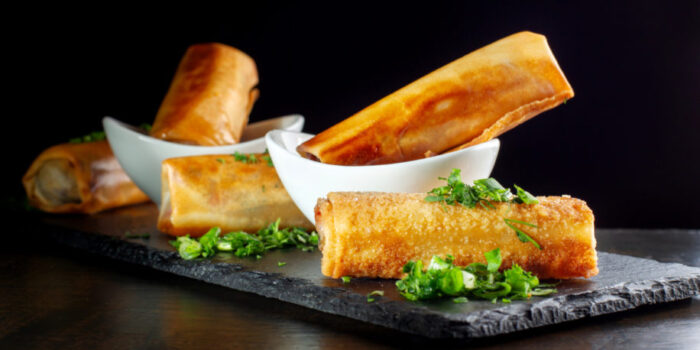
The trend starts with the slate slabs dishes are served on. Okay, it looks attractive, because the deep anthracite of slate (usually) brings out the colors of the dish nicely, but eating off such a bathroom tile is of course a nightmare: you slide the food off, ice cream melts, sauce drips onto the table. And it can get even worse. Fries in a tiny shopping cart? Popcorn out of a clog? A cheese board on a mousetrap? Chocolate cake on a trowel? No, these aren’t made-up examples; just check out (the hilarious) www.wewantplates.com.
Gingerbread war
A fight in the supermarket aisle? In 2003, we face a real supermarket war: Albert Heijn drives Edah, Konmar, Jumbo and Super de Boer out of business through gingerbread, beer and cola. AH sells products below the manufacturers’ recommended prices to gain market share. Anyone who plays Risk or Monopoly enthusiastically knows how these situations get out of hand: shouting, throwing game pieces and play money, several lawsuits, and supermarket chain Laurus (owner of Edah and Konmar) goes bankrupt.
What’s your name?
One Tall Blonde Flat White, a Grande White Chocolate Mocca and a Venti Latte with warm soy milk, please. Finally, in 2007 the first Starbucks opens at Schiphol. You can still stoke your latent fear of flying before departure with a liter of barely diluted caffeine. Even better: nine times out of ten, the barista writes your name incorrectly on your cup, so you take a photo of it and post it on Facebook, also incredibly hip and happening at the time.
Egg cake for staying slim
Egg cakes, Evergreens and cartons of low-fat drinkable yogurt are in huge demand in the noughties, because Sonja Bakker prescribes them in virtually every daily menu in her first book Reach Your Ideal Weight. The weight consultant with the shrill West Frisian accent becomes a huge success—at least when measured by the sales of her books. Dietitians criticize her because the diet does not meet healthy-eating guidelines. Followers soon regain the weight, just as with other crash diets. Maybe because they regularly schedule an SAS day, a “Screw Sonja” day.
Tony and the Oompa-Loompas
Here’s how it began: Teun van de Keuken, from the program Keuringsdienst van Waarde, discovers that raw materials for chocolate bars are produced by slaves. To draw attention to this, he reports to the police in 2003 as a self-proclaimed chocolate criminal. He doesn’t end up in jail, so nothing changes. He decides to start his own chocolate factory, in order to make bars without slave labor. In 2005, the Tony Chocolonely factory opens. First sale: 13,000 bars. Wow! And that was still before the sea-salt-caramel era, people!
Also read:
- This is what we ate in the 1990s, part one
- This is what we ate in the 1970s, part two
- This is what we ate in the 1980s, part one


