



Trendy fish: corvina
Fish follow trends too. In recent years, for example, we’ve suddenly started eating skrei in winter, the Nordic name for the winter cod that swims around Scandinavia. A delicious fish and, thanks to our flirtation with Nordic cuisine, a fittingly mouthwatering name.

Besides Nordic cuisine, Asian and South American cuisines have been trendy for a while now. And perhaps that’s why we’re increasingly seeing a fish widely eaten in those cuisines on menus: corvina. But perhaps it’s also because you can do so much with it – such as smoking, steaming, baking, roasting and serving it raw. Or perhaps because the fish wholesaler is pushing it hard.
Sea raven
In Dutch, the silver-grey, perch-like fish with yellow lips and aromatic white flesh is called ‘ombervis’ or ‘zeeraaf’, but corvina is the most commonly heard commercial name.
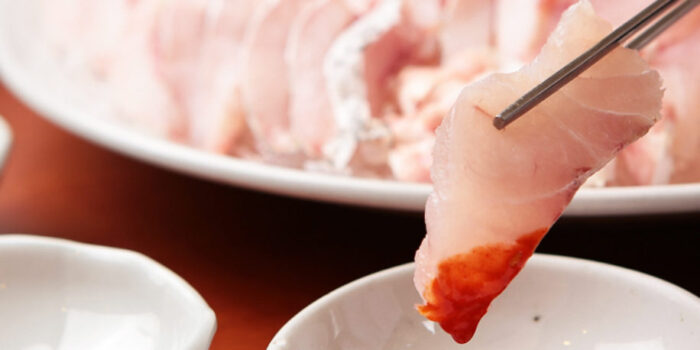
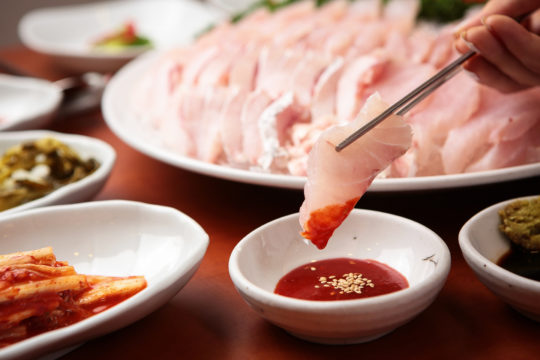
The fish, which swims in the Atlantic Ocean, the Mediterranean Sea and the Red Sea, is steamed in Chinese cuisine, for example, and served with julienned ginger, spring onion and soy sauce. In Korean cuisine, it is also eaten raw or in a stew. And in both cuisines, you’ll find it in soup.
Corvina owes its popularity to ceviche.
The Spanish and South American cuisines also love this fish, which can grow up to two metres long in the wild and weigh 55 kilos. It is especially popular grilled or fried, and is currently the most popular fish in South America. Crispy on the outside, juicy on the inside. Peruvians like to use it to make the ceviche known here as a trendy dish (cooked raw in citrus), as well as escabeche de pescado (marinated and cooked hot in acid, such as vinegar).
Farmed version
In our country, the farmed version is often sold, weighing no more than a kilo or seven, and receives a red rating on the fish guide. What do restaurants then do with farmed or wild corvina?
Bar Centraal in Amsterdam serves it with white onion and chicken stock. With that last addition, you also often see it in Chinese and South American cuisine. Amsterdam restaurant Sinne serves it as an escabeche, Mochi in The Hague as a ceviche, at Indenrustwat in Rotterdam you get it as tartare with herb mayonnaise and a herb salad, and Noble in Den Bosch combines it with salty plants, celeriac, eel and caviar. That’s not only seriously trendy, but also très chic.


