



Verdejo fans, take note: these wineries in the Rueda Verdejo region are worth knowing
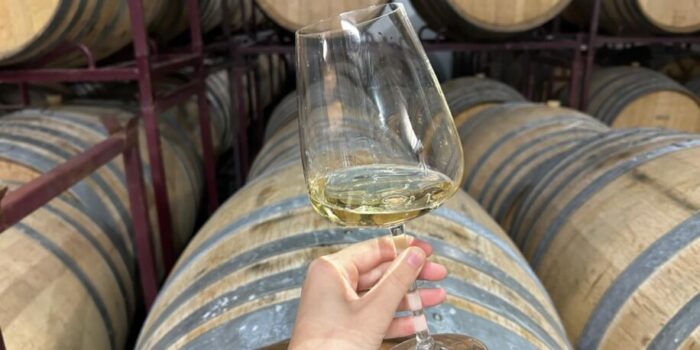
As a true wine virgin, I recently went on my first-ever wine trip. I landed on my feet, because Rueda was the destination. And wouldn’t you know it: it’s the Verdejo region par excellence, while Rueda Verdejo is one of my favorite wines. I visited lots of wineries and vineyards and learned an incredible amount. These are the seven wineries I visited—and that you shouldn’t miss as a Verdejo fan.

Even if you don’t have time to head to Spain anytime soon, keep your pen and paper handy. I’ll also tell you which wine importers sell the Verdejos from these wineries.
1. Bodegas Mocén
Bodegas Mocén may well be one of the most beautiful wineries in Rueda. It’s a place where wine is interwoven with art, culture and history. In the wine cellars, you occasionally come across works of art, including elegant plaques bearing the names of famous visitors. You’ll find larger works of art in the Pinacoteca: a room displaying genuine Picassos and Dalís. The old library is also worth a visit. As you can tell, there’s more to see here than wine—although, of course, that’s what you come for. At Bodegas Mocén, among other wines, we drank a fresh, fruity and smooth 2023 Verdejo. You can find it at Henri Bloem, for example.
2. Bodegas Pita de Verderrubi
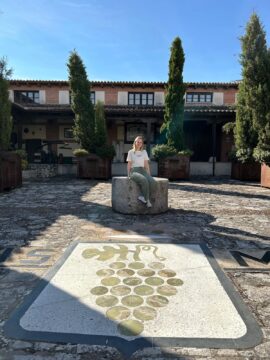
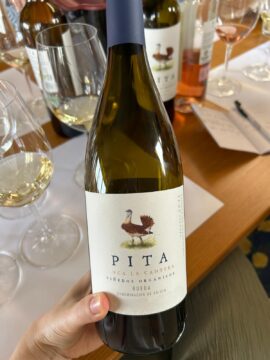
Bodegas Pita de Verderrubi is a true family business. The vineyard is located in Rubí de Bracamonte, near Valladolid. It’s a small vineyard with a small team, producing around 250,000 bottles a year. Production is organic. They do use machinery, but no chemicals. Here I tasted what may well have been one of the best wines of the entire trip: Pita Finca La Cantera. A 2021 vintage. This 100% Verdejo, aged in wood, tasted buttery—truly delicious. You can get it from importer De Bruijn. I also found the Pita Vino en Terracotta, aged in terracotta vessels, very special. It was fruity and lightly tart, with a ‘salty’ character. Only 7,000 bottles were produced. Pretty unique, then.
3. X Siglos
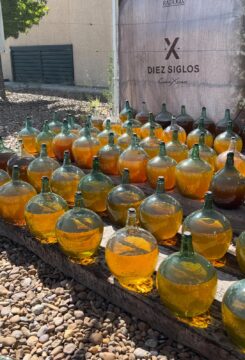
What’s really cool about the X Siglos winery is that two female winemakers work here. One of them told us that she barely sees her children in August and September because harvesting and production are so incredibly busy then. Crazy, right? It’s also great to see how much they experiment at X Siglos. For example, they ferment wine in large glass spheres, which stand just outside the winery. My favorite wine from this winery is the X Siglos Fermentado en Barrica Gran Vino. This wine was aged for eight months in French oak. A complex wine with a good balance between fruit and wood; very delicious. You can buy X Siglos wines from, among others, wine merchant La Persistance.
4. Alvarez y Diez
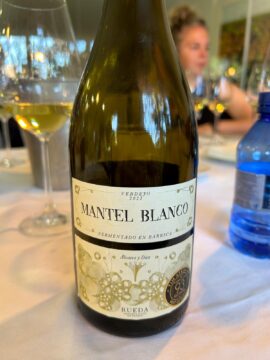
The winery now known as Alvarez y Diez was once part of a church. Ten percent of the best grapes had to be handed over to the church. Via the underground tunnels, which lie twelve metres below ground, you eventually arrive at the priest’s old home. You walk through a kind of ‘horseshoe tunnels’, very typical of the area. Above ground, you can taste a selection of the wines. For example, we tried the 2021 Mantel Blanco Verdejo: a fruity, lightly floral Verdejo. You can get Alvarez y Diez wines from, among others, Hanos.
5. Martinsancho
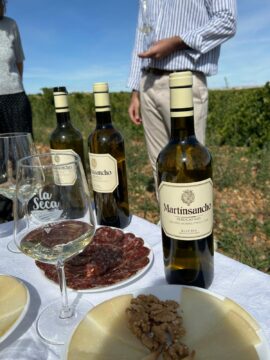
Martinsancho is one of the oldest vineyards in Rueda. Several generations have worked here. Some of the land is planted with bush vines: grapevines that grow close to the ground. In other words, a kind of shrub. The warmth of the soil has a positive effect on grape growth. It’s an old way of growing grapes, and you don’t always get a very abundant harvest, but the quality of the grapes is generally excellent. Plus, bush vines show that the vineyard survived the phylloxera invasion. At the end of the nineteenth century, it destroyed many grapevines. So it’s quite rare that Martinsancho still has bush vines in the vineyard. Interesting! We enjoyed a wine tasting right in the vineyard. The 2023 Martinsancho Verdejo tasted deliciously fruity and spicy, wonderful with slices of Iberico chorizo and salchichón. Vinavarra is a Dutch importer of Martinsancho wines.
6. Finca Montepedroso
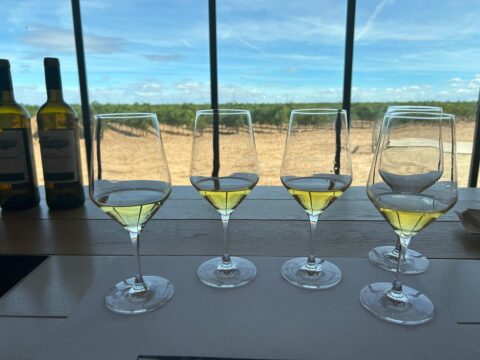
Finca Montepedroso is also a true family business. In Rioja, they have two more vineyards, in addition to the 25-hectare plot in Rueda. The essence of Finca Montepedroso in Rueda is to make a pure Verdejo. No frills or fuss, in other words. They first ferment it for five months in a tank, then leave the wine for another five months on its lees. They then stir it and bottle it. This way, they don’t get aromas from, for example, barrels, but preserve that pure Verdejo character. Another special feature: the production area has natural temperature control. In summer, they open part of the space, while in winter, they close it. This allows them to stay in control themselves. You can visit the vineyard and enjoy a tasting, but it might be even more fun to combine it with a picnic. Want a preview? You can get the 2023 Finca Montepedroso Verdejo from Wijnbeurs. This Verdejo scores 94/100 points—top quality, in other words.
7. Shaya
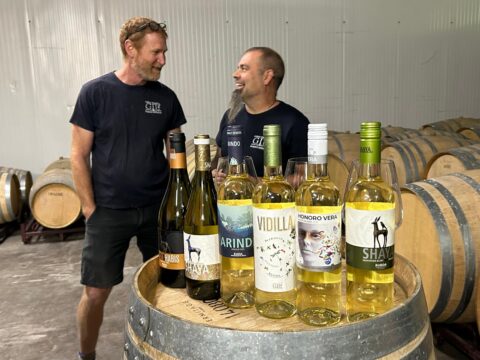
The final winery worth mentioning is Shaya. This estate is located in the Segovia region. Just like in the Martinsancho vineyard, there are bush vines here. The vines were planted as early as 1900, so a very long time ago. At Shaya, a New Zealand winemaker works alongside his Spanish colleagues. It’s wonderful to see how a passion for wine can take someone to the other side of the world! My favorite wine here is the Shaya Habis Verdejo. Complex and oak-aged—I’ve realized that I like that. Note: you can’t take a tour of the vineyard. There will be a shop on-site, though, and you can order the wine from Grancru Wijnen.
Read also:


