



What exactly is garum and why are all chefs fans?
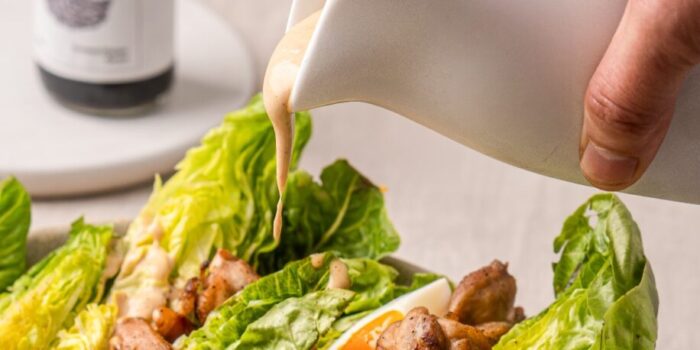
Garum is back from the dead. This natural, fermented seasoning, once a favorite of the Romans, is making a comeback in the kitchens of modern chefs and foodies alike. From risotto to ramen and from cream sauce to steak tartare: garum is the umami booster you won’t want to live without. Say goodbye to bland flavors.

What exactly is garum?
Garum is a fermented sauce that was indispensable in the kitchen as far back as Roman times. The flavor-packed liquid was made by salting the innards of small fish (think anchovies) and leaving them to ferment in the sun. You could call it the OG of flavor enhancers, comparable to fish sauce in Asian cuisine or Worcestershire sauce in English cuisine.
Anchovies as a seasoning
A small side note: anchovies from a tin or jar are always good to have on hand as a seasoning; I mix them into my ground meat mixture for the tastiest meatballs, let them simmer in my pasta sauce for that extra umami, and let them dissolve in a creamy garlic sauce for dipping baguette into.
Garum was extremely fishy and very popular during Roman times, which is why it was shipped to the farthest corners of the Roman Empire. The sauce came in many qualities, which is why everyone ate it—not just the rich.
Why you want garum in your kitchen cupboard now
Fast forward to today, and garum is back. And how. In the form of pure, natural fermentation with high-quality ingredients, no less. Think mushrooms, beef, chicken and black garlic. The result? An intense, deep flavor that takes your dishes to the next level with a single drop.
Garum is truly next-level umami; add a drop to your sauce, soup or dressing and you’ll immediately understand why this stuff has been around for thousands of years. It’s the shortcut to that “Wow! What is this DELICIOUS!” reaction at the table.
621 Ferments: garum anno nu
The chefs at Amsterdam restaurant Choux, known for their no-waste kitchen and fermentation skills, are releasing their own line of garum under the name N°621 Ferments. And that’s good news for anyone with a nose for flavor.
The team uses by-products and honest, top-quality ingredients (think Gasconne beef, Oranjehoenders and king oyster mushrooms) and ferments them with the help of koji, a fungus also used in sake and miso. At 60 degrees, enzymes break down the proteins, creating an umami bomb so good you’ll want to use it in everything.
And bonus points: everything is 100% natural, with no artificial additives. Slow food, upcycled, sustainable, but above all: unbelievably delicious.
Four flavors, and you’ll want them all
- N°621 Mushroom Garum: The original. Made from king oyster mushrooms and 100% plant-based. Earthy, deep and incredibly versatile. Perfect in risotto, stock or as the secret ingredient in your noodle soup.
- N°621 Beef Garum: A beef garum with formidable depth, made from local Gasconne beef from Lindenhoff. For when you want to give your stew, marinade or tartare that extra dimension.
- N°621 Chicken Garum: Smoky chicken garum made from Oranjehoenders roasted over birchwood from the Flevopolder. Velvety and powerful at the same time. It works unbelievably well in your coq au vin or tortellini in brodo.
- N°621 Black Garlic Garum: One more for the vegans: this black garlic and mushroom-based variety is gently sweet, garlicky and full of character. Your roasted vegetables or tofu will be very happy with it.
But how do you use garum?
Very simply: the way you would use fish sauce. A few drops of garum are enough to give your dish depth. Stir a teaspoon into your pasta, risotto, soup or stew. Add it to a dressing for extra punch. Mix it into your ground meat or use it as an umami booster in a marinade. Seriously, try it in your tomato sauce once and you’ll never want to be without it again.
Need inspiration? Here you’ll find a variety of recipes with garum.
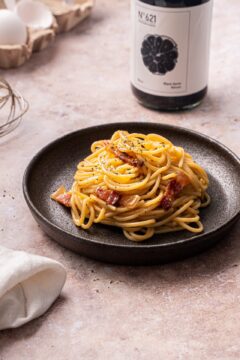
My tip: buy it quickly!
N°621 Ferments Garum is available through the 621 Ferments website, at selected delicatessens and better wholesalers. Prices: 160 ml from € 9.95, 750 ml from € 32.95.
Also read:
- Breast milk ice cream is a thing: this is what it tastes like
- What not to do in Italy (and what you probably do anyway)
- 12 disgusting French dishes you might want to avoid on vacation


