


Why You Should Have Multiple Cutting Boards at Home Too
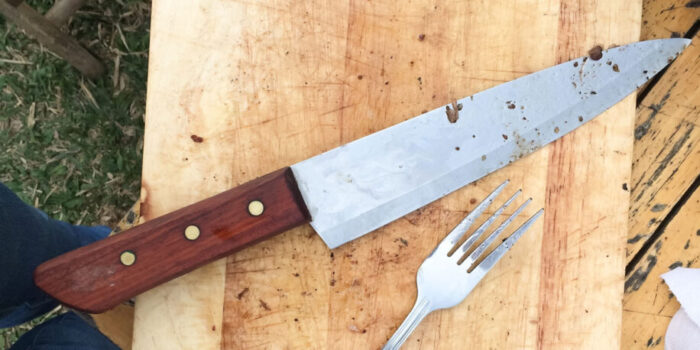
Do you have one favorite cutting board that you use to chop onions on, serve grilled cheese sandwiches on and present a cheese board on? Wrong, wrong, wrong—invest in a few good cutting boards and earn stickers and compliments from the hygiene police.

In most restaurants, stacks of cutting boards lie around, all in cheerful colors. The yellow cutting board is for chicken, the green one for vegetables, red for meat and blue for fish. The white one? That can be used for all other cutting jobs. But at home it’s a different story: most people have only one or two cutting boards, preferably wooden ones, that are used for every kitchen task, from serving snacks to cutting meat. That’s, uh… not very hygienic.
Not wood, but plastic
Wooden cutting boards retain the smell and color of whatever you’ve cut on them. Going to chop onions? And then cutting strawberries on the same board afterward? Well, enjoy your meal then. Wood also can’t go in the dishwasher or be washed with very hot water, because it will split. The pros advise using plastic cutting boards, preferably several different ones. And they don’t last forever either, so throw them away after a year or so.
Keep the cutting boards separate
You may not need to be as strict as in a professional kitchen at home, but using different cutting boards for different tasks helps prevent cross-contamination. A cutting board you’ve used for raw chicken can’t then be used for herbs: the chicken’s salmonella will end up in your salad.
Rinse cold, then wash hot
Do you hold a cutting board that you’ve used to cut meat or fish under the hot tap to wash it? The proteins in the meat coagulate, making the board more difficult to clean. First rinse the board thoroughly with cold water, then wash it with hot soapy water. That way, your board will be fresh and clean again.
Washing up: bleach, hot water or soapy water?
If you want to wash your board properly, is a little dish soap enough? Or would it be better to use bleach, salt, lemon or baking soda? Take it easy: you don’t need to unleash your entire cleaning arsenal on that board; hot soapy water is sufficient. Do scrub it well, though—holding it meekly under a lukewarm tap isn’t washing, and simply rinsing away the visible dirt isn’t enough.
Wash everything else too
Wooden spoons, measuring cups, kitchen knives (remember the handle too?), food processors: all places where bacteria can hide. And what about your own hands? Work hygienically and wash everything properly, sometimes even before you start. And of course you wash your hands with soap before preparing food, because that’s what your mother taught you.
Also read:
- Why It’s Time to Throw Away That Plastic Cutting Board
- Eggs: In the Fridge or Outside It?
- How to Defrost Chicken
Source: AD


