


Dry January: does it really make a difference?
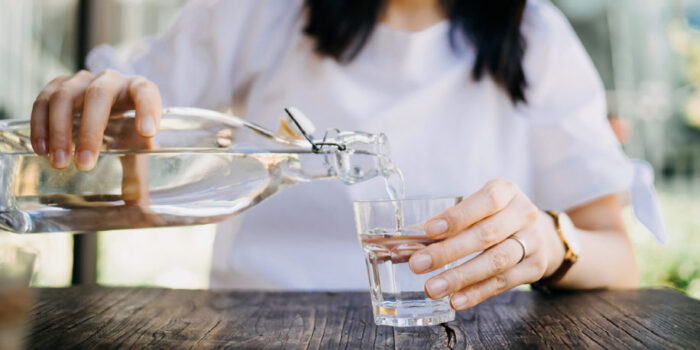
After all those litres of wine, champagne and beer during the holidays, an alcohol-free January — also known as ‘Dry January’ — doesn’t sound like such a bad idea. But what does it actually achieve?

Quite a lot, experts tell The Wall Street Journal. According to Richard de Visser, professor of psychology at the University of Sussex, after an alcohol-free month you are less likely to reach for the bottle again.
Moderation
De Visser studied 857 people who took part in Dry January. A small group experienced a rebound effect and actually drank more than before after the experiment. In general, participants drank less in the six months after their alcohol-free January than they had beforehand — and they also got drunk less often. This applied both to the people who managed to make it through the whole month (two-thirds of the group) and to those who stopped earlier. Although those who persevered did see better results.
Good for your waistline
That’s not all: other studies show that liver function and blood pressure are significantly better after an alcohol-free month. On average, people lost one to two kilos, participants felt less tired, slept better and experienced improved concentration.
Tips
There’s no need to worry that you’ll spend an entire month drinking nothing but sparkling water, by the way. There are plenty of delicious alcohol-free options: kombucha, for example, or homemade iced tea — or how about Almdudler? Prefer alcohol-free wine? These are the favourite alcohol-free wines of top sommeliers. You can trust them blindly. Cheers!


